Govt rebuts opposition's charge, defends Jaishankar-Rubio Mumbai meet
Source Entity
TNN
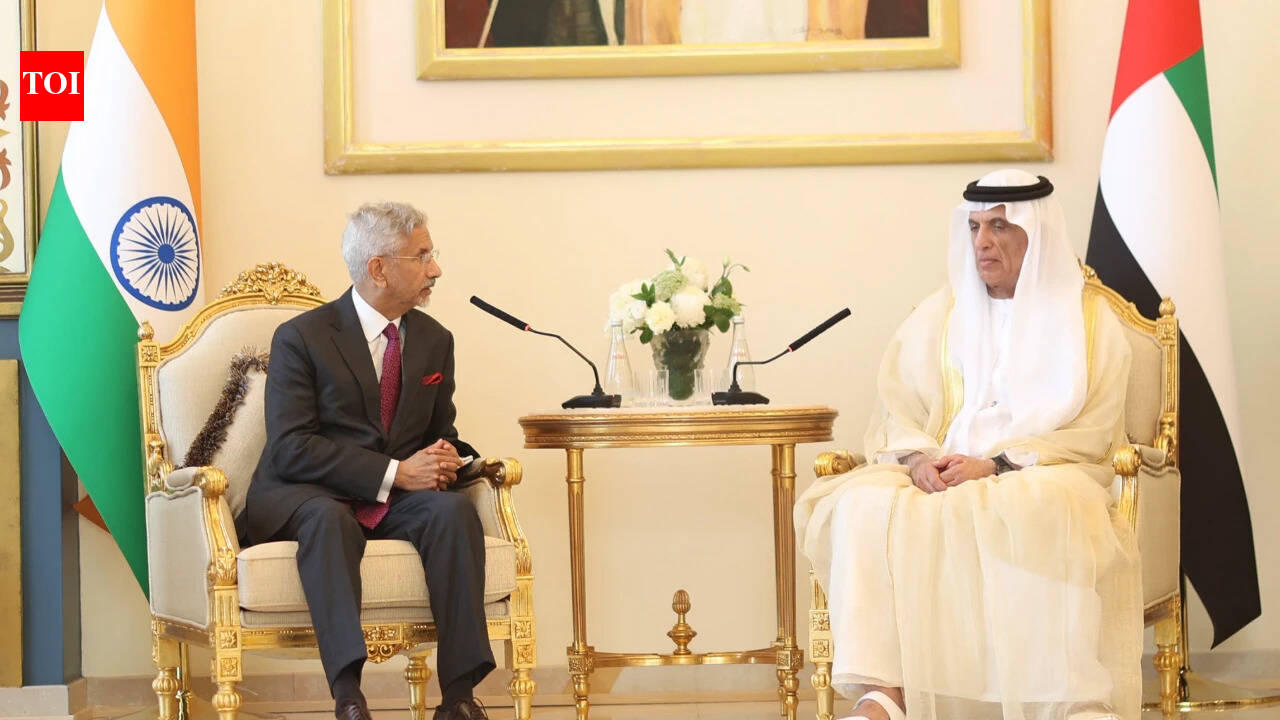
US Ambassador Sergio Gor's announcement of a Mumbai meeting between Secretary of State Marco Rubio and Minister S. Jaishankar has sparked political friction. The Indian National Congress is questioning the government's transparency and protocol regarding the proposed summit.
Diplomatic Protocol and Domestic Political Friction
The recent announcement by U.S. Ambassador to India, Sergio Gor, regarding a proposed meeting between U.S. Secretary of State Marco Rubio and India’s External Affairs Minister S. Jaishankar has ignited a significant political discourse. Ambassador Gor, speaking during the Bloomberg New Economy Forum and in an interview with NDTV, indicated that Secretary Rubio’s upcoming visit to India—which includes a stop at a Reliance unit in Jamnagar—would culminate in a meeting with Indian government officials in Mumbai. This statement has become a flashpoint for the Indian opposition.
The Congress Party’s Critique of Transparency
Congress general secretary Jairam Ramesh has publicly questioned the Ministry of External Affairs' (MEA) silence on the matter. The core of the opposition's concern lies in the perceived breach of diplomatic protocol. Ramesh noted that it is extraordinary for a foreign envoy to unilaterally announce the schedule of an Indian cabinet minister, specifically noting that the expectation for Dr. Jaishankar to attend a meeting in Mumbai had not been officially confirmed or communicated by the Indian government.
Rahul Gandhi’s Allegations of Confusion
Escalating the rhetoric, Congress leader Rahul Gandhi utilized social media to demand clarity from Prime Minister Narendra Modi. Gandhi alleged that the MEA officials themselves appear "confused" regarding the nature and scheduling of this meeting. By framing the interaction as a "summons," Gandhi is attempting to challenge the government on issues of national sovereignty and the optics of India’s diplomatic engagements with the United States.
The Broader Context of India-US Trade Relations
Beyond the diplomatic protocol debate, the visit highlights the deepening economic ties between the two nations. Ambassador Gor has been vocal about a potential trade deal, stating that such an agreement is "very close" to fruition. Secretary Rubio’s interest in visiting the Reliance facility in Jamnagar underscores the emphasis on energy and industrial cooperation, which remains a cornerstone of the contemporary India-U.S. strategic partnership.
Implications for Future Foreign Policy
This incident serves as a case study in the complexities of "public diplomacy." While the U.S. side appears eager to showcase progress through high-level visits and trade negotiations, the domestic political landscape in India remains sensitive to the nuances of international relations. The government’s future response to these inquiries will likely set a precedent for how high-level diplomatic visits are communicated to the public, ensuring that such interactions are seen as bilateral collaborations rather than external impositions.
Conclusion and Future Outlook
As the date for Secretary Rubio’s visit approaches, the pressure on the MEA to clarify the schedule and intent of the Mumbai meeting will likely intensify. The outcome of this visit, particularly regarding the hinted trade deal, will be critical. Whether this diplomatic engagement strengthens the strategic alliance or continues to serve as a point of contention for domestic political opponents remains a key development to watch in the coming weeks.
Multiple Citing Sources