One killed, 8 injured in Saudi airport attack amid US order for diplomats to leave
Source Entity
RAJEEV SINGH
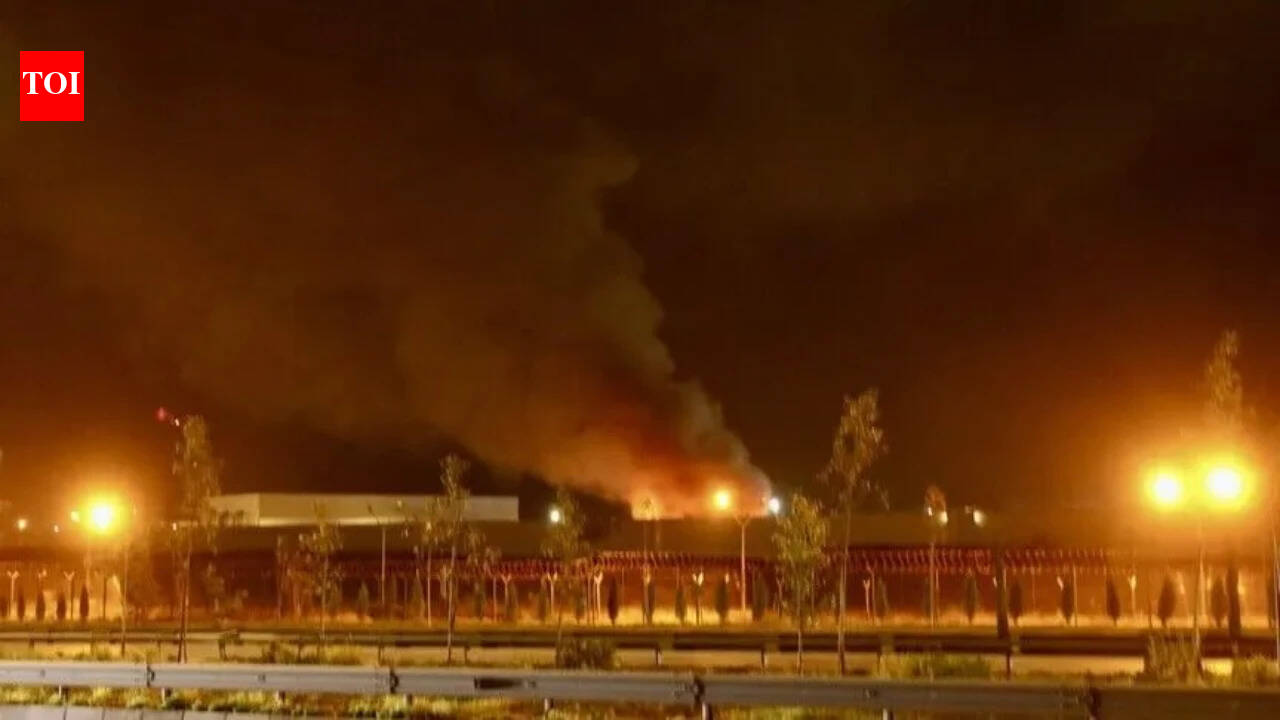
The U.S. has ordered non-essential embassy staff and families to leave Saudi Arabia and several neighboring Gulf nations following deadly Houthi-linked attacks. This directive coincides with a fatal strike on Dammam's King Fahd International Airport, heightening regional security concerns.
Escalating Regional Instability: U.S. Diplomatic Drawdown in the Gulf
In a significant shift in regional posture, the United States Department of State has issued an emergency order for non-essential government employees and the families of U.S. personnel to depart Saudi Arabia. This directive, confirmed by State Department spokesman Tommy Pigott, extends beyond the borders of the Kingdom to include U.S. diplomatic families in the United Arab Emirates, Jordan, Qatar, and Bahrain. This mass repositioning of personnel signals an acute assessment of the security environment as the Middle East grapples with an intensifying cycle of violence.
The Catalyst: Attacks on Critical Infrastructure
The urgency of the evacuation order is underscored by a recent, lethal attack on the King Fahd International Airport in Dammam. According to the Saudi Civil Aviation Authority, the strike resulted in one fatality and eight injuries, alongside significant material damage to the facility. The proximity of this incident to the Persian Gulf states—a region already on high alert due to the broader Middle East conflict—has necessitated a rapid response from both Saudi authorities and foreign missions concerned with the safety of their citizens.
The Houthi Factor and Regional Security
The attacks are widely attributed to Yemen’s Iran-backed Houthi rebels, who have demonstrated an increasing capability to target critical infrastructure across the Arabian Peninsula. By repeatedly targeting airports with projectiles and drones, these forces are actively testing the defensive perimeters of Saudi Arabia. The frequency of these strikes suggests a strategic shift toward disrupting civilian aviation and logistics, creating an environment where diplomatic presence is increasingly viewed as a high-risk security liability.
Diplomatic and Economic Implications
The evacuation of diplomatic family members and non-essential staff serves as a stark acknowledgment of the deteriorating regional security architecture. For Saudi Arabia and its neighbors, the inability to fully secure transit hubs like Dammam’s airport against drone and projectile threats poses a long-term challenge to their economic stability and international connectivity. As Flightradar24 reports indicate that aircraft are being diverted, the immediate impact is a disruption of trade and travel, which could have ripple effects on the global energy and logistics sectors that rely heavily on Gulf hubs.
Broader Strategic Outlook
Looking forward, the U.S. decision to draw down its diplomatic footprint suggests that Washington anticipates a prolonged period of instability. The inclusion of Jordan, Qatar, the UAE, and Bahrain in the departure order reflects a fear of spillover from the ongoing regional war. As Iran-aligned factions continue to exert pressure on these nations, the U.S. must balance its strategic alliances with the imperative of protecting its personnel. The coming months will likely see a hardening of regional air defenses and a significant increase in security protocols for all foreign missions operating within the Persian Gulf corridor.
Multiple Citing Sources