US Fed meeting October 2026: Date, timing, expectations and where to watch Kevin Warsh-led FOMC interest rate decision
Source Entity
Latest News: Todays Latest News Headlines from India & World | Hindustan Times | Hindustan Times
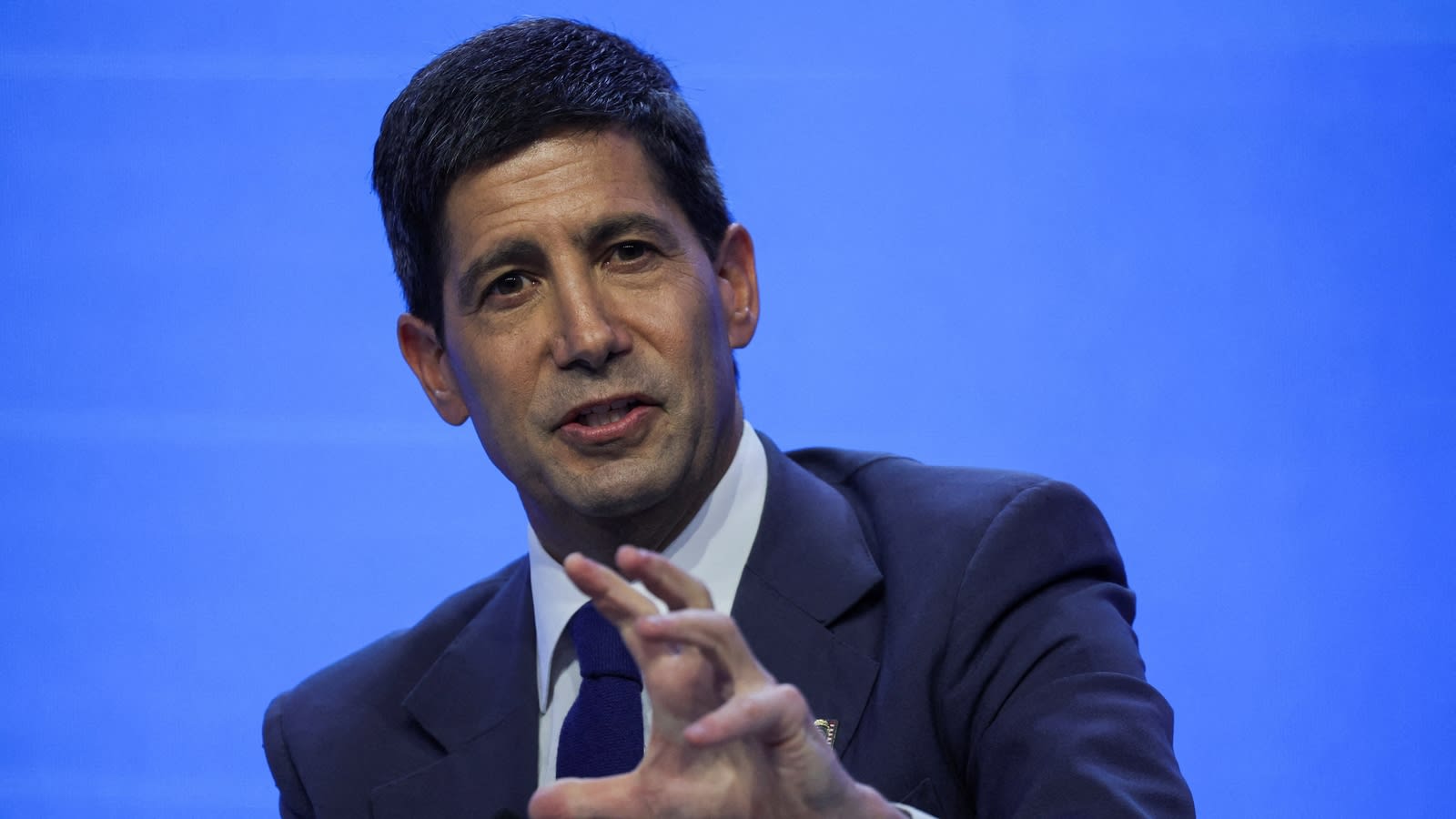
The Federal Reserve has maintained interest rates at 3.75%-4% following an FOMC vote of 10-2. Fed Chair Kevin Warsh cited persistent inflation alongside a resilient economy, leaving the door open for future rate hikes.
Federal Reserve Holds Rates Steady Amid Persistent Inflation
The Federal Open Market Committee (FOMC) concluded its October 2026 meeting by maintaining the federal funds rate at the 3.75%–4% range. The decision, reached via a 10-2 vote, reflects the central bank's cautious approach as it balances the dual mandates of stable prices and maximum employment. While the committee opted for a pause, the dissenting votes from two members—who favored a 25-basis-point increase—highlight the ongoing internal debate regarding the appropriate intensity of the response to rising price levels.
Economic Resilience vs. Inflationary Pressures
Chair Kevin Warsh noted that the U.S. economy is expanding at a "strong" pace, a notable upgrade from the "solid" assessment provided during the September session. This resilience is supported by robust domestic spending, consistent job gains, and strong productivity growth. However, this strength complicates the Fed's primary objective: curbing inflation. Despite the economic vitality, inflation remains elevated, prompting the FOMC to signal that further rate hikes remain a possibility depending on incoming data.
The Role of Monetary Policy Messaging
While the decision to hold rates steady was largely anticipated by market participants—with less than a 10% probability assigned to a hike prior to the announcement—the strategic messaging remains critical. The FOMC’s official statement and the subsequent press conference by Chair Warsh serve as vital communication tools for the central bank to manage market expectations. By acknowledging persistent inflation while simultaneously highlighting economic strength, the Fed is attempting to maintain credibility without triggering unnecessary market volatility.
Contextualizing the Decision
This decision arrives at a sensitive juncture, just ahead of the U.S. midterm elections. The Fed’s reliance on data-driven policy signifies a departure from rigid pre-set paths, allowing the committee to pivot based on the latest indicators. The 10-2 split is particularly telling; it indicates that while the majority favors a wait-and-see approach to observe the impact of the previous September hike, a significant minority of policymakers remains concerned that current levels may be insufficient to dampen inflationary pressures.
Future Trends and Market Implications
Looking ahead, the Federal Reserve’s future trajectory will likely hinge on the longevity of the current economic expansion. If productivity and employment gains continue to outpace inflation, the Fed may find more room to maneuver. However, if inflation proves stickier than anticipated, the dissenting voices favoring tighter policy may gain traction. Investors and analysts will continue to monitor the FOMC’s eight annual meetings closely, as each subsequent gathering will be scrutinized for shifts in the balance between economic growth and price stability.
Multiple Citing Sources
Verification Required?