How A Single Router May Have Disrupted US Air Traffic For 5 Hours
Source Entity
NDTV News Search Records Found 1000
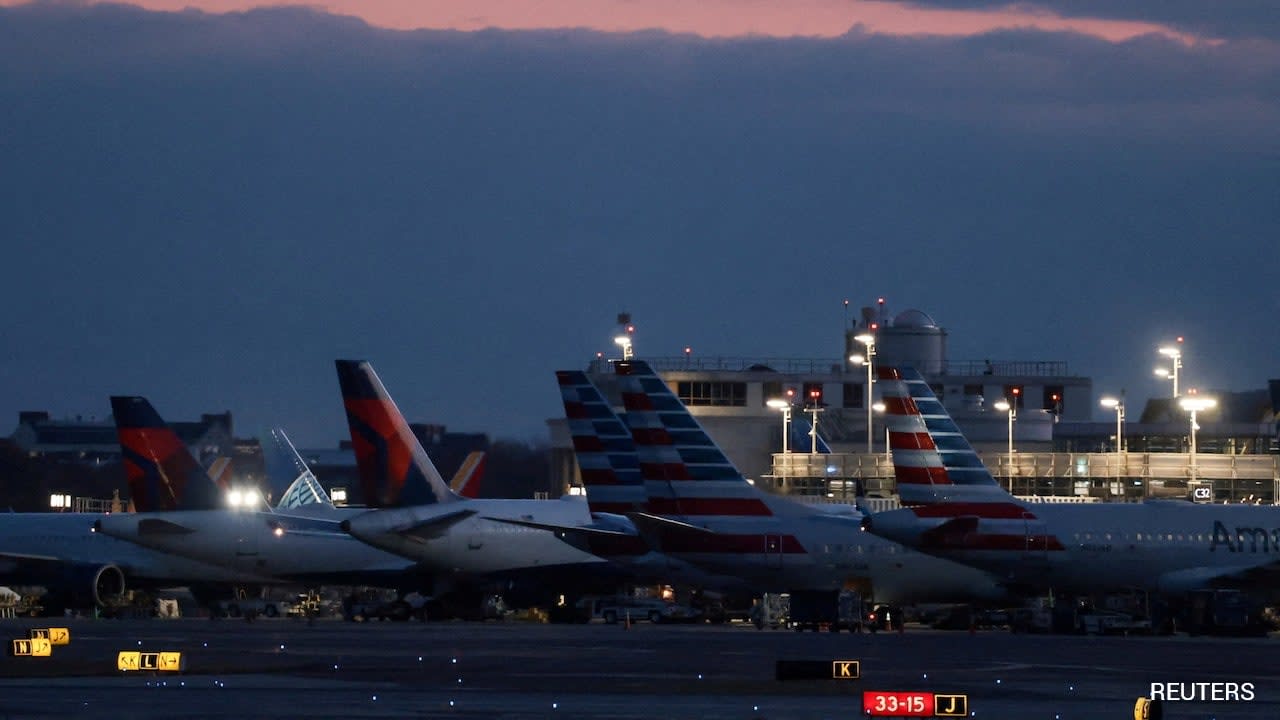
A nationwide US flight ground stop was caused by a technical failure during a copper wire infrastructure upgrade. Transport Secretary Sean Duffy confirmed an investigation is underway to determine if the error resulted from contractor incompetence or faulty equipment.
The Anatomy of an Aviation Crisis
A recent nationwide ground stop that paralyzed the United States aviation network has been attributed to a critical failure occurring during a routine infrastructure upgrade. According to Transport Secretary Sean Duffy, the disruption, which led to thousands of flight cancellations, was linked to the modernization of aging copper wire systems within the Federal Aviation Administration (FAA) infrastructure. This event marks the most significant disruption to US air travel since the September 11, 2001, attacks, highlighting the extreme sensitivity of the nation’s air traffic control (ATC) backbone.
Infrastructure Debt and Maintenance Costs
The root of this crisis lies in the FAA’s reliance on a legacy copper wire system, a technological relic that the agency spends approximately $1 billion annually to maintain. While modern aviation demands high-speed, resilient digital data transmission, the underlying physical architecture remains tethered to older standards. The incident underscores the risks inherent in performing live upgrades on such fragile, critical infrastructure where a single failed component, such as a router, can trigger a cascading failure across the entire national airspace system.
Investigating the Catalyst: Incompetence vs. Equipment
Transport Secretary Sean Duffy has initiated a formal investigation to determine the exact nature of the failure. The primary focus is distinguishing between human error—specifically potential incompetence by the organization tasked with the upgrade—and the possibility of faulty hardware. By ruling out a cyber-attack early in the investigation, the government is focusing its efforts on the operational and mechanical integrity of the upgrade process itself, raising questions about oversight and quality control in government contracting.
The Ripple Effect of Systemic Failures
Although the FAA successfully reopened the airspace after restoring full functionality to its ATC facilities, the operational fallout was immediate and severe. The five-hour disruption created a logjam that pushed the impact of the cancellations well into the following days. This incident serves as a stark reminder of how interconnected the modern aviation industry is; when the central nervous system of air traffic control experiences a localized hardware failure, the resulting delay propagates through the entire network, affecting passengers and logistics nationwide.
Future Implications for Aviation Modernization
This crisis acts as a catalyst for a broader debate regarding the pace of technological modernization within US federal agencies. The incident demonstrates that while maintaining legacy systems is costly, the risks associated with upgrading them are equally high. Moving forward, the aviation sector faces a dilemma: continue pouring billions into the maintenance of aging copper-based infrastructure or accelerate the transition to more robust, modern digital alternatives. The findings from the current investigation will likely dictate future procurement policies and the stringency of oversight for contractors working on critical national infrastructure.
Multiple Citing Sources
Verification Required?