Why US strikes on Hormuz suddenly stopped despite Trump's bluster
Source Entity
TOI WORLD DESK
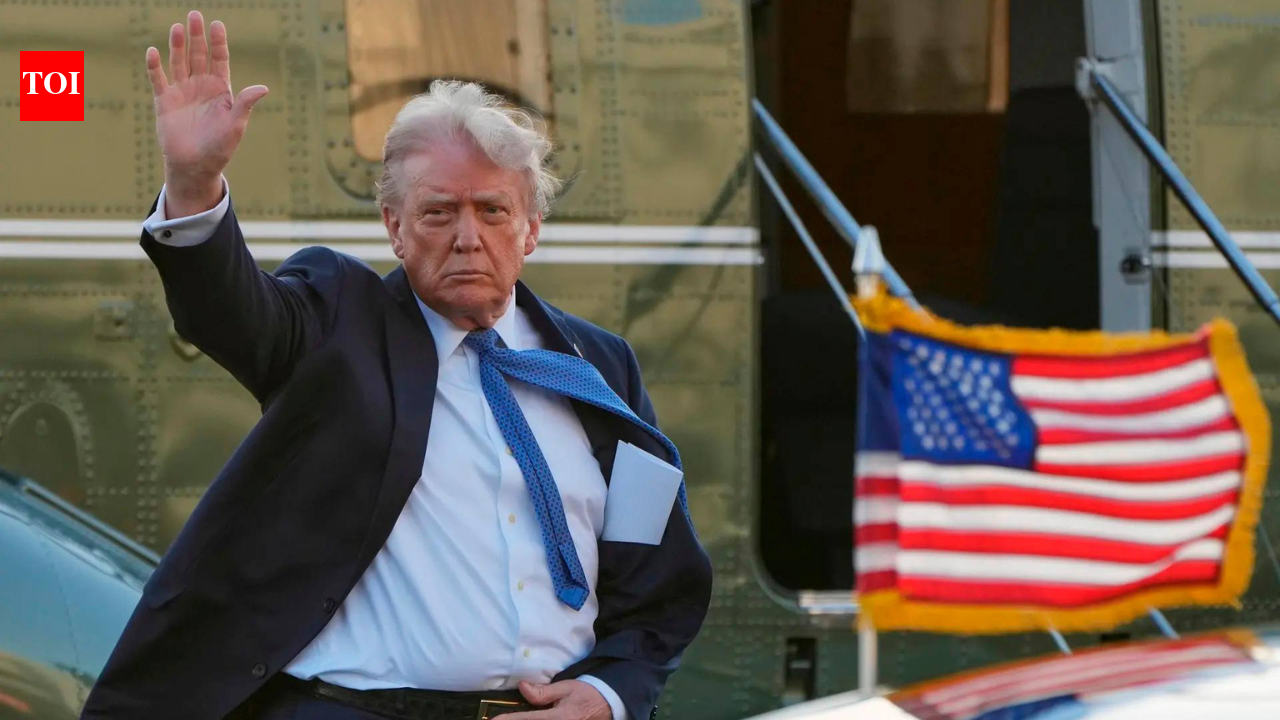
The US has abruptly halted its bombing campaign near the Strait of Hormuz following advice from CENTCOM commander Admiral Brad Cooper. Military leadership concluded that operational objectives had been achieved and that further strikes offered diminishing returns.
Strategic Pivot: The End of the Hormuz Bombing Campaign
The recent decision by the United States to abruptly cease its two-week-long bombing campaign near the Strait of Hormuz marks a significant shift in the administration's regional strategy. After weeks of escalating rhetoric and sustained kinetic operations, the sudden pause reflects a transition from an aggressive military posture to a period of tactical recalibration. This development underscores the influence of military leadership in shaping foreign policy, particularly when the perceived utility of force reaches a point of diminishing returns.
The Role of Military Counsel
At the heart of this strategic shift was the direct intervention of Admiral Brad Cooper, the commander of US Central Command (CENTCOM). Reports indicate that Admiral Cooper provided a candid assessment to the White House, advising that the campaign had effectively reached its limit of effectiveness. By concluding that the primary military objectives had been largely achieved, the Pentagon signaled that further strikes might yield more diplomatic or operational risk than tangible strategic gain.
Assessing Operational Objectives
For the military, the decision to halt was rooted in a pragmatic evaluation of mission success. Having conducted sustained attacks for nearly two weeks, the US military determined that the specific goals tied to the Strait of Hormuz operations had been met. This internal assessment likely factored in the depletion of critical air defense stockpiles and the potential for regional escalation, prompting a pause that allows the administration to regroup and evaluate the success of its current deterrent measures.
Impact on Executive Decision-Making
While President Donald Trump had previously maintained a posture of persistent military pressure, the high-level meeting with his military advisers proved to be the turning point. The transition from an offensive-first approach to a suspension of hostilities highlights how specialized military intelligence and operational reality can directly influence presidential strategy. By choosing to follow the recommendation of CENTCOM, the administration signaled a willingness to prioritize tactical sustainability over continued escalation.
Future Implications and Diplomacy
This sudden cessation of hostilities opens a narrow window for diplomacy. With the immediate pressure of the bombing campaign removed, the geopolitical focus shifts toward the potential for renewed negotiations or de-escalation efforts. However, the situation remains fluid. The underlying concerns regarding regional security in the Strait of Hormuz persist, and the ability of the US to pivot back to military action remains a core component of its leverage, should diplomatic channels fail to produce the desired outcomes.
Conclusion
The halt in US strikes near the Strait of Hormuz represents a cautious moment of reflection in a volatile region. By acknowledging that the current military campaign had achieved its core objectives, the administration has successfully moved the conflict into a new phase. Whether this pause leads to a lasting period of stability or merely a temporary lull depends on the success of the diplomatic opening that now follows the military de-escalation.
Multiple Citing Sources