US, India Expanding Defence, Civil Nuclear Cooperation: Trump Official
Source Entity
NDTV News Search Records Found 1000
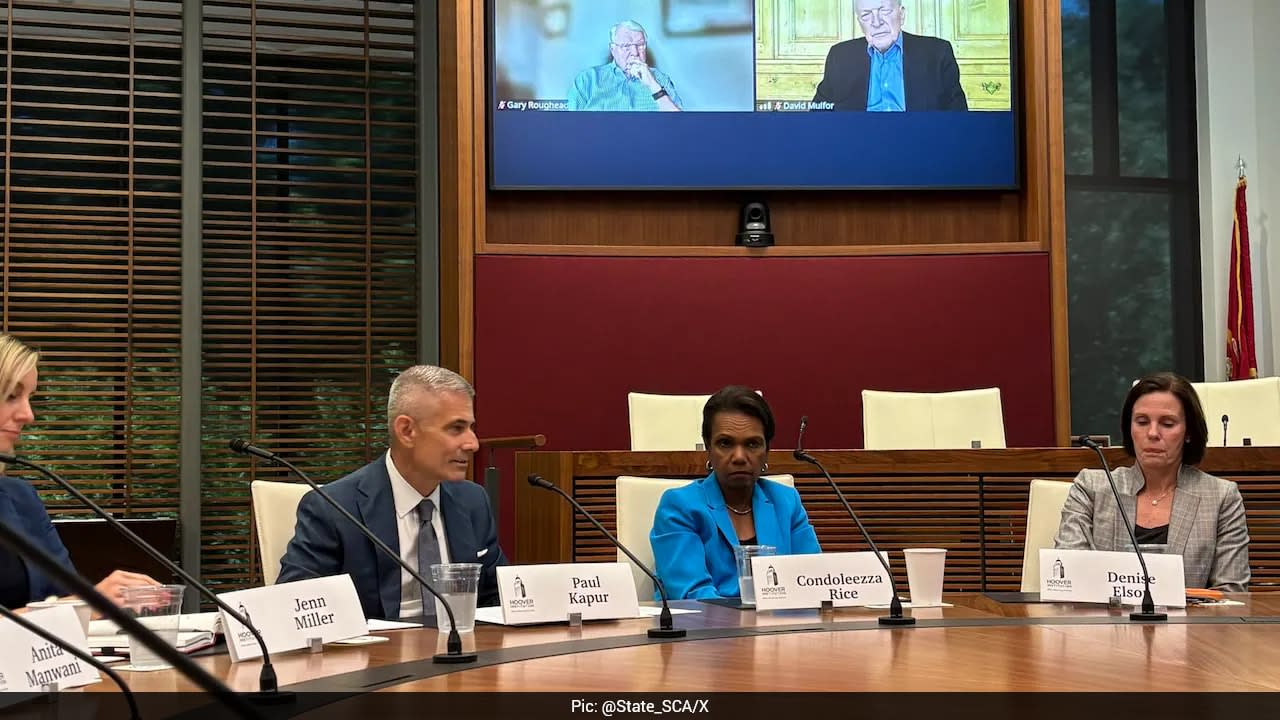
The United States and India are deepening their strategic partnership through expanded cooperation in defense, civil nuclear energy, and artificial intelligence. This initiative aims to strengthen critical supply chains and foster economic growth for both nations.
Strengthening the U.S.-India Strategic Partnership
Recent statements from U.S. Assistant Secretary of State S. Paul Kapur underscore a significant pivot in the bilateral relationship between the United States and India. Speaking at a high-level roundtable at the Hoover Institution, attended by prominent figures such as former Secretary of State Condoleezza Rice and former Ambassador David C. Mulford, Kapur confirmed that the Trump administration is actively scaling up collaboration across critical sectors. This development marks a maturation of a partnership that has been evolving for over two decades.
The Pillars of Cooperation: Defense and Nuclear Energy
The expansion of defense and civil nuclear cooperation serves as the bedrock of this renewed engagement. India has systematically increased its defense procurement from the United States over the last twenty years, transitioning from a reliance on legacy suppliers toward a more integrated defense architecture with Washington. Simultaneously, civil nuclear cooperation, which previously faced hurdles, is gaining momentum following India’s strategic decision to amend its domestic liability framework, paving the way for deeper technological and energy-sector integration.
Integrating Emerging Technologies and Trusted AI
Beyond traditional defense and energy, the scope of the partnership has expanded to include the adoption of 'trusted' Artificial Intelligence (AI) and other emerging technologies. By focusing on trusted AI, both nations aim to ensure that their technological infrastructure remains secure against geopolitical threats. This integration is designed to power their respective economies, fostering innovation that is resilient and mutually beneficial in an increasingly competitive global landscape.
Economic Implications and Supply Chain Resilience
The strategic rationale for this cooperation is rooted in economic stability and supply chain security. As Kapur noted, the engagement is explicitly intended to strengthen critical supply chains that are vital to both the United States and the broader Indo-Pacific region. By aligning their industrial bases, the two countries are not only reducing dependency on volatile global markets but are also creating high-value jobs domestically within the United States, thereby framing the partnership as a win-win economic proposition.
Geopolitical Context and Future Trajectory
The Hoover Institution roundtable highlighted the long-term vision of this alliance. With the involvement of seasoned diplomatic veterans, the message is clear: the U.S.-India relationship is a structural priority that transcends short-term political cycles. As both nations look toward the future, the emphasis on emerging technologies suggests a shift toward a 'tech-alliance' model, where shared values and economic interests converge to create a more robust counterbalance in the global arena.
Conclusion
In summary, the deepening collaboration between the United States and India represents a calculated effort to modernize their bilateral ties for the 21st century. By synchronizing efforts in defense, nuclear energy, and AI, the two nations are fortifying their economic and security interests. As these initiatives move from policy to implementation, the U.S.-India relationship will likely remain a defining feature of international diplomacy and regional stability in the coming years.
Multiple Citing Sources
Verification Required?