How a US commander’s advice changed Trump’s Iran strategy to shelve strikes
Source Entity
The Indian Express
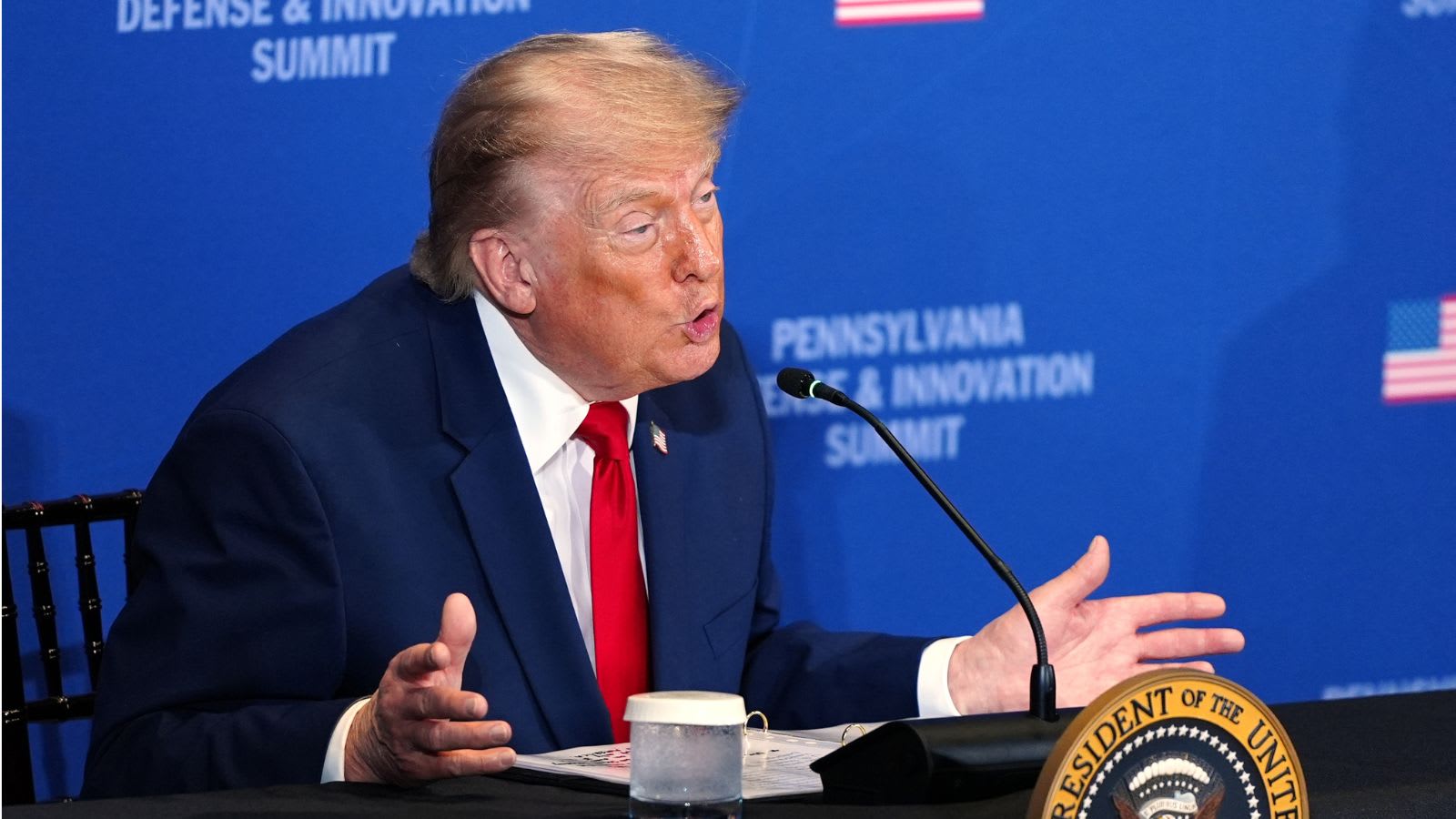
The US has abruptly halted its bombing campaign near the Strait of Hormuz following advice from CENTCOM Commander Admiral Brad Cooper. Military leaders concluded that objectives had been met and that further strikes offered diminishing returns, prompting a strategic pivot toward diplomacy.
Strategic Pivot: The End of the Hormuz Bombing Campaign
The Military Assessment
The recent decision by the United States to cease its bombing operations around the Strait of Hormuz marks a significant shift in the administration's posture toward Iran. For nearly two weeks, the region was subjected to a sustained campaign of aerial strikes, accompanied by increasingly bellicose rhetoric from President Donald Trump. However, the abrupt cessation of these operations on Friday was not a result of sudden diplomatic breakthroughs, but rather a cold, calculated assessment by the military leadership that the campaign had reached its point of diminishing returns.
The Role of Admiral Brad Cooper
The catalyst for this policy reversal was Admiral Brad Cooper, the commander of US Central Command (CENTCOM). According to reports, Cooper provided candid advice to senior White House officials, suggesting that the mission had effectively achieved its primary military objectives. By arguing that the campaign had reached its "limit of effectiveness," Cooper provided the necessary political cover for the President to pivot away from an escalation that carried significant risks of regional destabilization.
Operational Constraints and Stockpiles
Beyond the strategic assessment of mission success, the decision was likely influenced by logistical realities. Reports indicate that concerns regarding air defense stockpiles played a role in the internal deliberations. Sustained high-intensity aerial operations are resource-intensive; thus, the military’s recommendation to pause suggests an acknowledgment that depleting these critical assets for marginal tactical gains would be imprudent, especially when the initial objectives had already been secured.
Impact on Presidential Strategy
President Trump had initially signaled a determination to continue the offensive, making the shift in his strategy particularly noteworthy. The high-level meetings between the President and his military advisers facilitated a reality check that reconciled the administration's aggressive rhetoric with the tangible limitations identified by CENTCOM. This transition from a purely kinetic approach to a potential diplomatic opening highlights the influence that military command can exert on executive decision-making during periods of heightened tension.
Future Implications and Diplomatic Openings
The halt in military operations effectively creates a new, albeit fragile, window for diplomacy. By stepping back from the brink of intensified conflict, the US has provided space for alternative statecraft. While the region remains volatile, the move suggests that the administration is prioritizing long-term stability over continued tactical strikes, provided that Iran’s future actions do not force a return to active hostilities. The coming weeks will be critical in determining whether this pause is a temporary tactical breather or a permanent shift in regional strategy.