Home sales fall in August despite the highest supply in over a decade
Source Entity
US Top News and Analysis
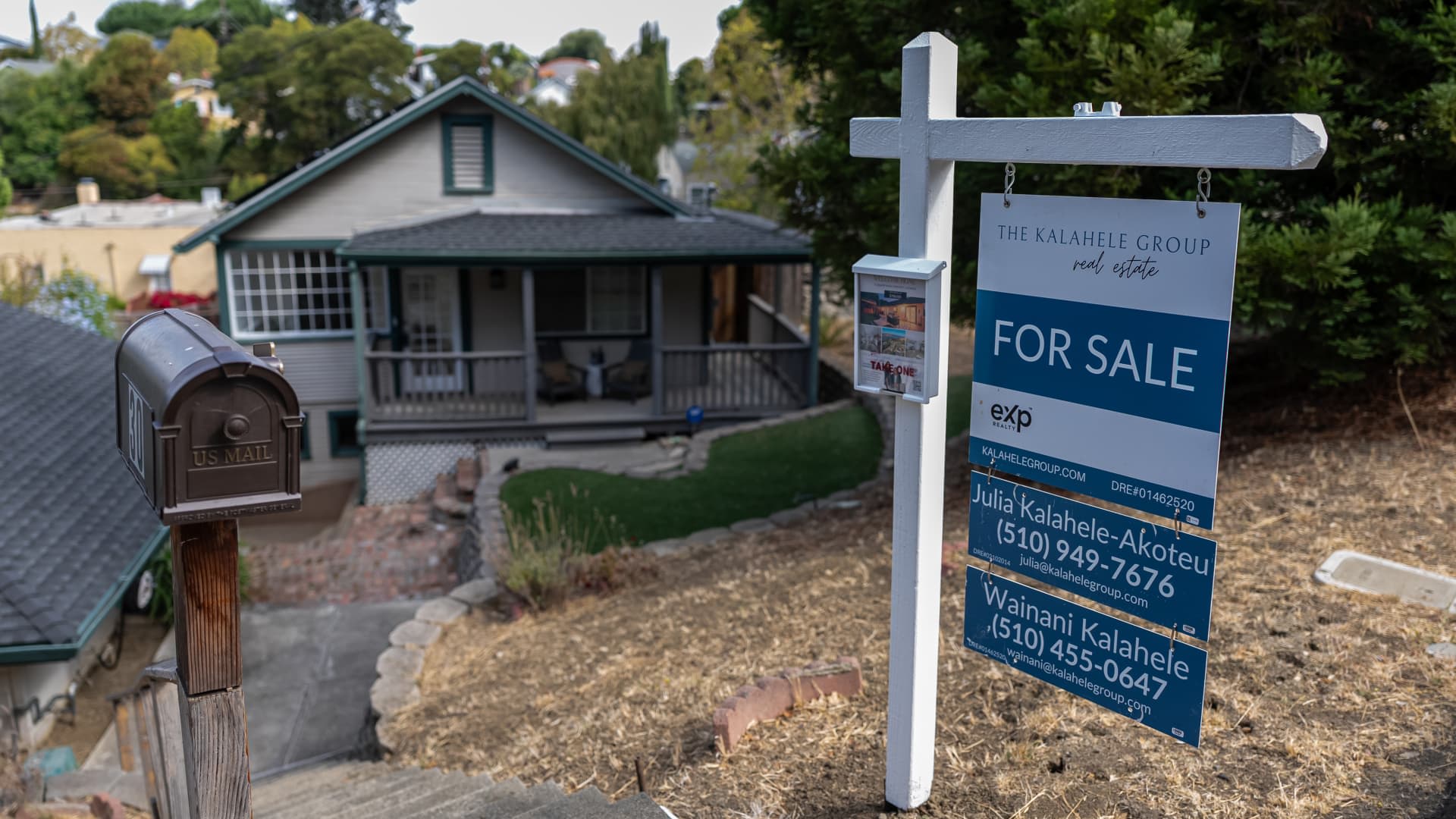
Existing home sales dropped to a 14-month low in August as high mortgage rates and elevated prices sidelined buyers. Despite a significant rise in housing inventory, the market remains stagnant with sales declining 2% monthly.
The Housing Market Stagnation: A Deep Dive into August 2026
The real estate sector is currently navigating a period of profound volatility, characterized by a stark divergence between supply and demand. According to data from the National Association of Realtors, home sales sank to their lowest level in 14 months during August, reaching a seasonally adjusted annualized rate of 3.98 million units. This represents a 2% decline from July and a 1.2% decrease compared to the previous year, signaling a cooling trend that has persisted despite shifting market conditions.
The Inverse Relationship: Mortgage Rates and Demand
At the heart of this slowdown is the persistent challenge of interest rates. Mortgage rates fluctuated between 6.6% and 6.7% throughout August, eventually hitting 6.71%—the highest level seen since mid-2025. Because existing home sales figures are based on closings, the August data reflects decisions made when rates spiked in mid-July. As historical trends suggest, mortgage rates and home sales move in opposite directions; the current high-rate environment has effectively discouraged prospective buyers, sidelining a significant portion of the market.
The Inventory Paradox
Perhaps the most striking development is the simultaneous rise in housing inventory. While demand has withered due to financing costs, the number of homes for sale has climbed to its highest level in nearly seven years—and by some metrics, over a decade. Typically, increased supply would exert downward pressure on prices, yet the market is experiencing a paradoxical trend: while sales volume has plummeted, home prices continue to rise. This suggests that the current supply, while higher, is not yet sufficient to overcome the price-sensitivity of buyers facing high borrowing costs.
Regional Impact and Economic Drivers
The downturn in activity has not been uniform across the United States. Recent reports indicate that the cooling of the housing market was felt most acutely in the Northeast and Midwest. These regional struggles are exacerbated by broader economic pressures, including a global bond market sell-off and rising oil prices, which have kept upward pressure on interest rates. These macro-economic factors create a feedback loop that sustains high mortgage rates, further complicating the affordability equation for the average consumer.
Future Outlook and Market Stability
Looking ahead, the central question remains whether this trend indicates a looming market crash. Experts suggest that a collapse is unlikely, despite the current stagnation. The resilience of home prices, even in the face of low sales volume, points to a market that is constrained rather than broken. Until mortgage rates stabilize or decrease, prospective buyers will likely remain cautious, and inventory levels may continue to swell as homes remain on the market for longer periods. The path to recovery will depend heavily on the Federal Reserve’s future policy decisions and the stabilization of the broader bond market.