'Fully Prepared': Iran Threatens Retaliation After Trump Widens Sanctions
Source Entity
NDTV News Search Records Found 1000
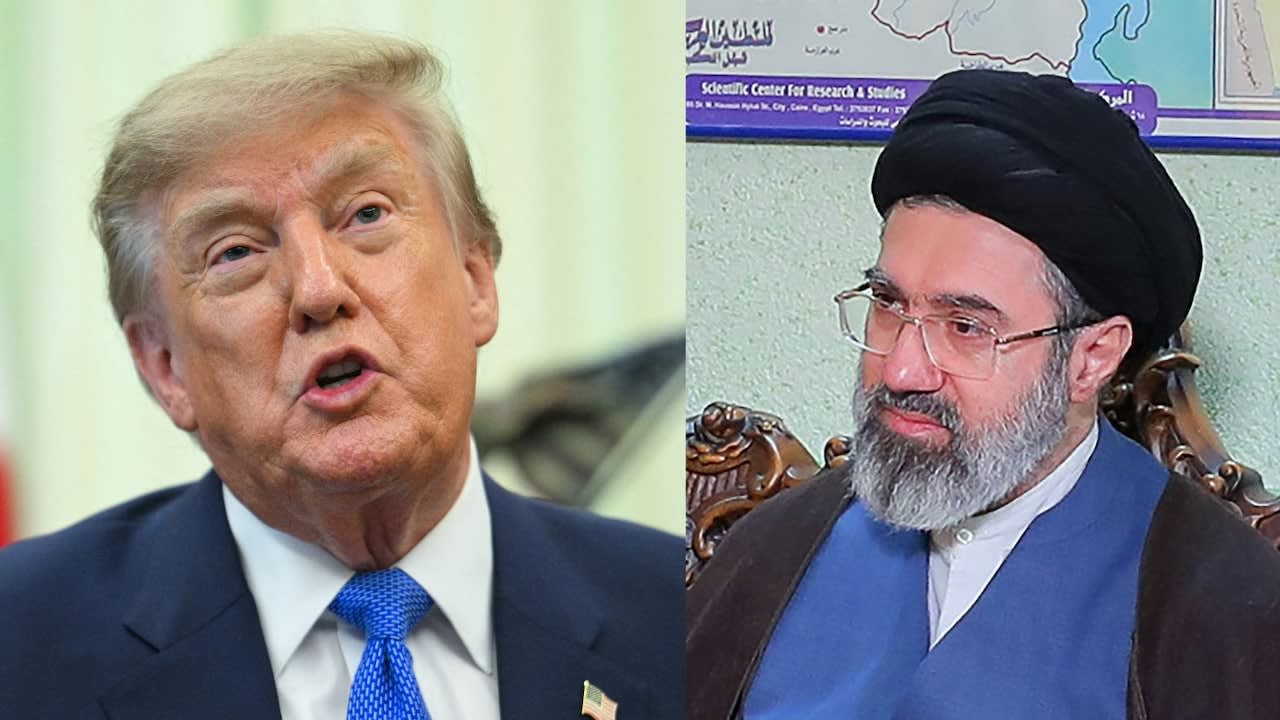
The U.S. has imposed new sanctions on 60 entities linked to Iran to stifle its oil trade, prompting Tehran to threaten retaliation and potential disruption of Gulf oil exports. While the U.S. avoids immediate penalties on Chinese institutions, it warns global trading partners that continued engagement with Iran risks exclusion from the dollar-based financial system.
The Escalation of U.S.-Iran Economic Tensions
The United States has initiated a significant expansion of its economic pressure campaign against Iran, with Treasury Secretary Scott Bessent announcing new sanctions targeting 60 individuals, entities, and vessels. This move, framed as an attempt to sever Iran's primary economic lifelines, marks a critical intensification of the geopolitical friction that has persisted since the U.S. and Israel launched strikes against Iranian targets approximately six months ago. By targeting the mechanics of Iran's oil trade, Washington aims to erode the financial foundation of the Iranian state, further destabilizing an already volatile regional landscape.
Strategic Restraint and the Dollar Leverage
A notable aspect of the current policy is the tactical decision by the Treasury Department to omit Chinese financial institutions from the immediate sanctions list. This suggests a calculated approach by the U.S. administration to balance aggressive containment with the risks of broader global economic fallout. However, Secretary Bessent’s warning that countries continuing to trade with Iran face the threat of exclusion from the dollar-based financial system serves as a powerful coercive tool. This "economic D-Day" approach forces third-party nations into a difficult choice: abandon lucrative trade with Tehran or lose access to the world’s primary reserve currency.
Tehran’s Defiant Stance and Regional Security
Iran’s response has been characteristically defiant, with government officials explicitly threatening retaliation. Tehran has articulated that any nation complying with these new U.S. measures could be viewed as an active participant in an act of war. Furthermore, the threat to disrupt Gulf oil exports introduces a high-stakes variable into global energy markets. The visual imagery in Tehran, featuring billboards calling for revenge against President Trump, underscores a domestic political environment that is increasingly solidified against U.S. interference, suggesting that diplomatic de-escalation remains a remote possibility.
The Shadow of Military Intervention
Beyond economic warfare, the specter of kinetic conflict looms large. The Pentagon has signaled that military options remain on the table should the situation deteriorate further. This military posturing, coupled with the ongoing economic strangulation, mirrors historical patterns of escalation in the Persian Gulf. Given the six-month interval since the last direct exchange of fire, the current sanctions represent a deepening of a multi-front conflict that involves both asymmetric economic pressure and the constant threat of direct military engagement.
Future Trends and Global Implications
The immediate future will likely be defined by a waiting period as Washington provides trading partners time to align with the new directives. The success of this policy depends heavily on the extent to which the international community adheres to U.S. demands versus the effectiveness of Iran’s efforts to bypass these restrictions through illicit networks. If the sanctions fail to cripple Iran's oil revenue, the likelihood of a military escalation increases, as the U.S. may feel compelled to transition from economic pressure to more direct intervention to achieve its stated policy goals.
Verification Required?