US imposes tariffs on dozens of trade partners over 'forced labour' imports
Source Entity
BBC News
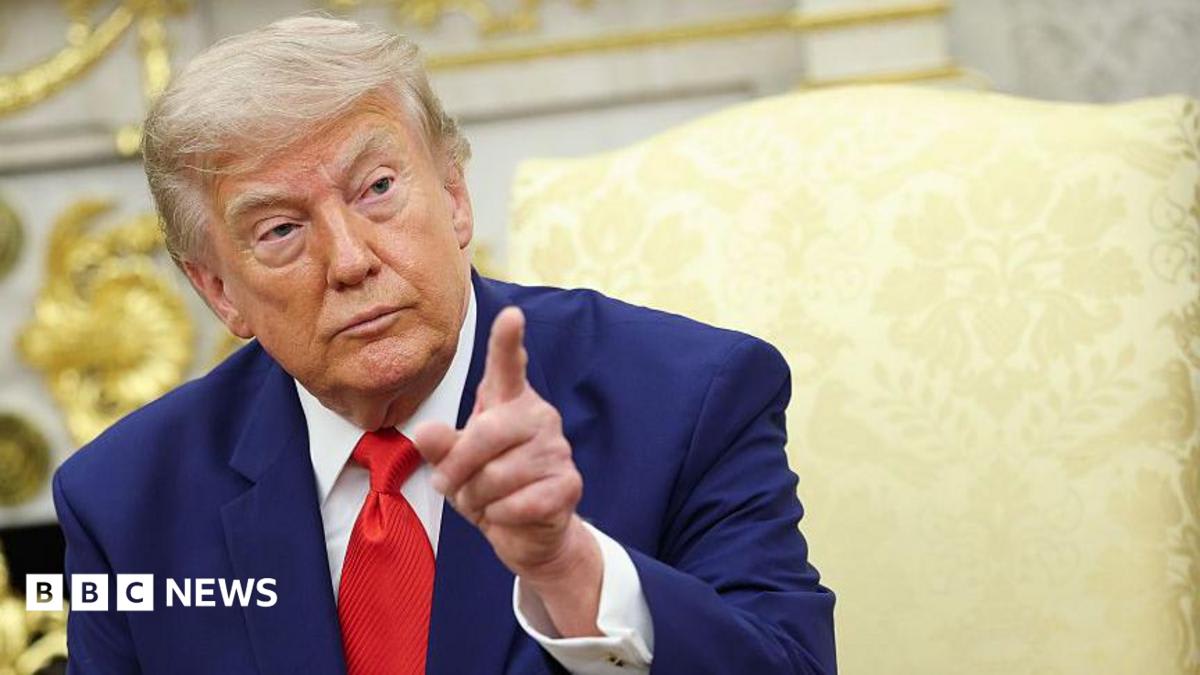
The US has imposed new tariffs on approximately 60 trading partners, including India and Canada, citing failures to address forced labor practices. These duties replace expiring temporary measures and reflect an escalation in the administration's aggressive trade policy.
The Reshaping of American Trade Policy
The United States has initiated a significant shift in its international trade strategy by imposing new tariffs on approximately 60 trading partners, which collectively account for over 99% of US imports. These duties, ranging from 10% to 12.5%, are explicitly framed as a response to allegations that these nations have failed to adequately prohibit or enforce restrictions against forced labor within their supply chains. This move marks a pivotal moment in the ongoing global trade friction that has characterized President Donald Trump’s return to office.
Legal Context and Tactical Shifts
This policy follows a period of legal instability regarding the administration's trade agenda. Earlier this year, the US Supreme Court ruled that several tariffs previously enacted under emergency powers were illegal, forcing the administration to pivot toward different statutory authorities. By leveraging Section 301 of the Trade Act of 1974, the White House is seeking a more robust, legally defensible framework to continue its flagship protectionist goals, replacing temporary measures that recently expired.
Impact on Global Economic Partners
The scope of these tariffs is unprecedented, affecting major economic powers such as the UK, China, the EU, Canada, Japan, and India. The application of these duties is not uniform; for instance, India has been placed on a 10% tariff tier—placing it on par with nations like Pakistan, Sri Lanka, and Bangladesh—after successfully negotiating down from an initially proposed 12.5% rate. Meanwhile, the administration has taken a more aggressive stance toward Canada, concurrently ordering separate 50% tariffs on numerous Canadian products.
The 'Forced Labour' Justification
At the core of this policy is the US government's insistence on ethical supply chain management. By linking trade access directly to forced labor oversight, the administration is effectively using market access as a tool for geopolitical and social leverage. This strategy forces global manufacturers to either prove the integrity of their labor practices or face significant financial penalties in the American market, which remains the world’s largest consumer base.
Future Trends and Market Implications
Looking ahead, these tariffs signal a long-term commitment to a 're-shoring' or 'friend-shoring' economic model. As these duties replace the temporary 10% global tax that expired this month, businesses worldwide must adjust to a permanent landscape of higher trade costs. The administration’s reliance on Section 301 suggests that trade policy will remain a primary instrument for domestic industrial protection and international diplomatic pressure throughout the remainder of the current term.
Conclusion
The imposition of these tariffs represents a fundamental transformation of US trade relations. By framing economic protectionism as a humanitarian mandate, the administration has successfully navigated around previous judicial setbacks. Whether this strategy will lead to improved labor standards globally or merely result in higher costs for American consumers and strained diplomatic ties remains the central question for the global economy moving forward.
Multiple Citing Sources