US announces visa curbs to bar ‘far-left terrorist’ groups from entering country
Source Entity
Majid Alam
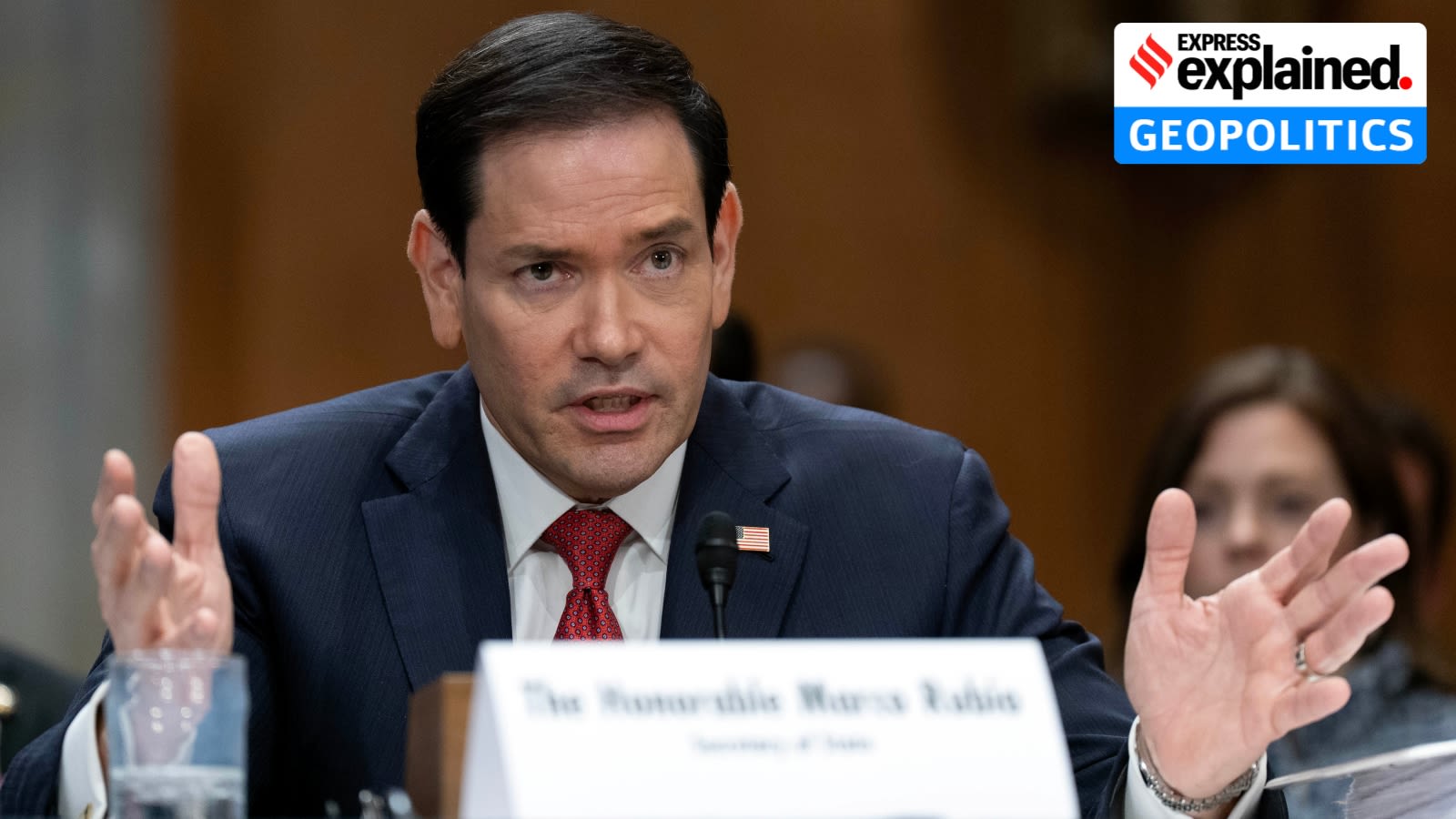
US Secretary of State Marco Rubio has announced new visa restrictions to bar foreign nationals who support or finance far-left terrorist groups. The policy aims to address a perceived gap in counterterrorism efforts by targeting those who use political violence to influence outcomes.
New US Visa Policy Targets Far-Left Extremist Networks
In a significant shift in national security policy, the United States Department of State, led by Secretary of State Marco Rubio, has unveiled a new visa restriction framework specifically targeting foreign nationals associated with far-left terrorist and aligned groups. This policy is designed to prevent individuals who finance, recruit for, or facilitate activities linked to these organizations from entering the United States. Secretary Rubio emphasized that such individuals are considered "enemies of our civilization" and that their presence within the country will no longer be tolerated.
Addressing a Counterterrorism 'Blind Spot'
According to the State Department, this initiative is part of a broader effort to modernize American counterterrorism doctrine. Secretary Rubio argued that while the U.S. and its international allies have historically focused their resources on traditional terrorist threats, there has been a significant "blind spot" regarding extremist violence originating from the political left. By formally recognizing these groups as a priority for immigration enforcement, the administration aims to close existing loopholes that may have previously allowed such individuals to gain entry.
The Mechanics of Political Violence
Central to the justification for these restrictions is the allegation that far-left terrorist organizations utilize violence as a calculated political tool. The State Department highlighted that these groups often rely on sophisticated, organized networks to execute their agendas. These activities include intimidation, coordinated propaganda campaigns, and, in more extreme instances, acts of physical violence such as bombings. The objective of these actions, per the government's analysis, is to influence democratic political outcomes through fear and disruption.
Implementation and Legal Framework
This policy announcement is directly tied to the implementation of National Security Presidential Memorandum-7. By codifying these restrictions, the Trump administration seeks to institutionalize a rigorous vetting process that specifically screens visa applicants for ties to these extremist networks. This move serves as a cornerstone of a broader government strategy to disrupt the financial and logistical support systems that enable political violence to cross international borders.
Broader Implications for Foreign Policy
Moving forward, this policy suggests a more aggressive posture toward foreign actors who engage in or support radical political movements that utilize criminal activity. As the U.S. intensifies its focus on these networks, it is likely to influence how international partners share intelligence regarding non-state actors. The emphasis on "enemies of our civilization" signals a firm ideological stance, indicating that the Department of State will prioritize the ideological alignment of visitors as a key factor in visa adjudication processes.
Summary and Future Outlook
Ultimately, the introduction of these visa restrictions marks a notable escalation in the U.S. approach to domestic and international security. By treating far-left extremist support as a disqualifying factor for entry, the administration is signaling a intent to preemptively neutralize potential threats before they reach American soil. The success of this policy will likely depend on the effectiveness of intelligence gathering and the ability of the State Department to accurately identify and track these complex, often decentralized, global networks.
Multiple Citing Sources