Iranian attack sparks fire at Kuwait power and water desalination plant
Source Entity
The Indian Express
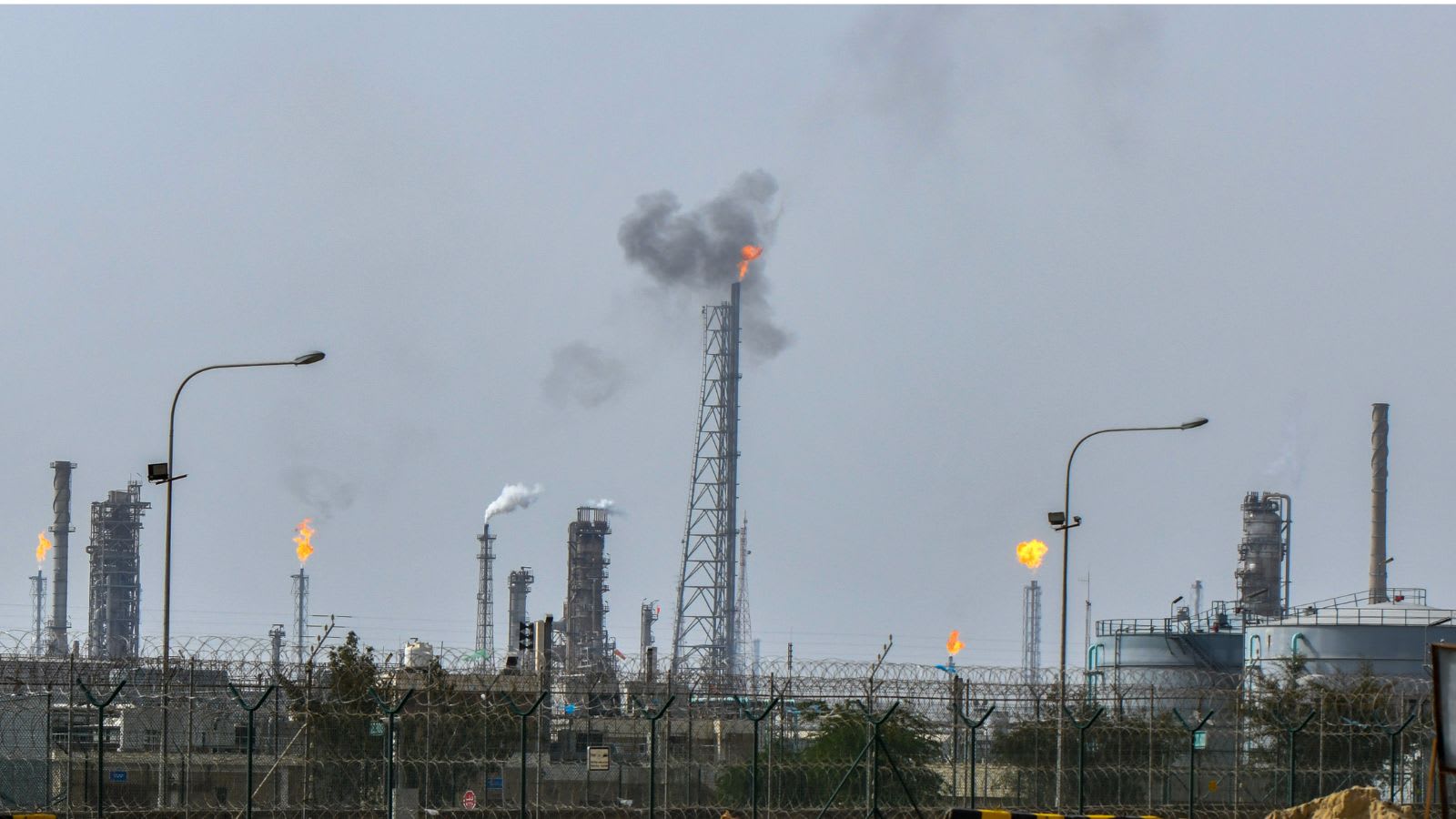
The U.S. military has launched its seventh consecutive night of strikes against Iranian military infrastructure, triggering a retaliatory wave of Iranian attacks across the Gulf. Significant damage has been reported in Kuwait, including a fire at a critical power and desalination plant and the suspension of airport operations.
Escalation in the Persian Gulf: A Seven-Night Conflict
The current military escalation between the United States and Iran has reached a critical threshold, marked by seven consecutive nights of U.S. airstrikes following the collapse of a temporary ceasefire. According to U.S. Central Command (Centcom), these operations are strategically designed to degrade Iran’s offensive capabilities, specifically targeting surveillance sites, underground weapons storage, logistics infrastructure, and maritime assets. This sustained campaign signals a shift toward a more aggressive posture under President Donald Trump’s administration, effectively ending the previous diplomatic reprieve.
The Geopolitical Flashpoint: Strait of Hormuz
The Strait of Hormuz remains the epicenter of this maritime conflict. While the Iranian Revolutionary Guard Corps (IRGC) alleged that two oil tankers were destroyed by mines within the shipping channel, Centcom has officially dismissed these claims as false. This discrepancy in reporting highlights the ongoing information war accompanying the physical combat, as both sides attempt to frame the narrative regarding the safety of one of the world's most vital energy transit arteries.
Regional Spillovers: The Impact on Kuwait and Jordan
The conflict has rapidly expanded beyond direct U.S.-Iran engagement, drawing in regional allies. Jordan’s armed forces reported the successful interception of 10 Iranian missiles, demonstrating the reach of Iran’s arsenal and the risk to neighboring states. Meanwhile, Kuwait has faced the most severe consequences, with the IRGC claiming responsibility for attacks on Camp Arifjan, a vital U.S. military support base. The resulting fire at a major Kuwaiti power and water desalination plant, coupled with the suspension of operations at Kuwait International Airport, illustrates the severe economic and humanitarian risks posed by this regional destabilization.
Strategic Implications and Military Objectives
Centcom’s systematic targeting of Iranian logistics and maritime capabilities suggests a long-term goal of neutralizing the IRGC’s ability to project power across the Gulf. By focusing on infrastructure rather than solely troop concentrations, the U.S. is attempting to systematically dismantle the logistical support necessary for continued Iranian regional aggression. However, the retaliatory strikes against Kuwaiti infrastructure demonstrate that Iran remains capable of asymmetrical warfare, utilizing drone and missile threats to pressure U.S. allies and disrupt regional stability.
Future Outlook and Regional Stability
The current trajectory points toward an intensifying cycle of violence. With the U.S. continuing its nightly campaign and Iran responding by targeting critical civilian and military infrastructure in neighboring countries, the risk of a wider regional conflagration is at an all-time high. The ability of Kuwait to restore essential power and water services will be a key indicator of the resilience of regional infrastructure in the face of persistent threats. As the conflict enters its second week, the international community faces the daunting task of managing the fallout from a potential total breakdown of security in the Persian Gulf.
Multiple Citing Sources