'Iran Would Pay Many Times Over': Trump's Big Warning After US Troop Deaths
Source Entity
NDTV News Search Records Found 1000
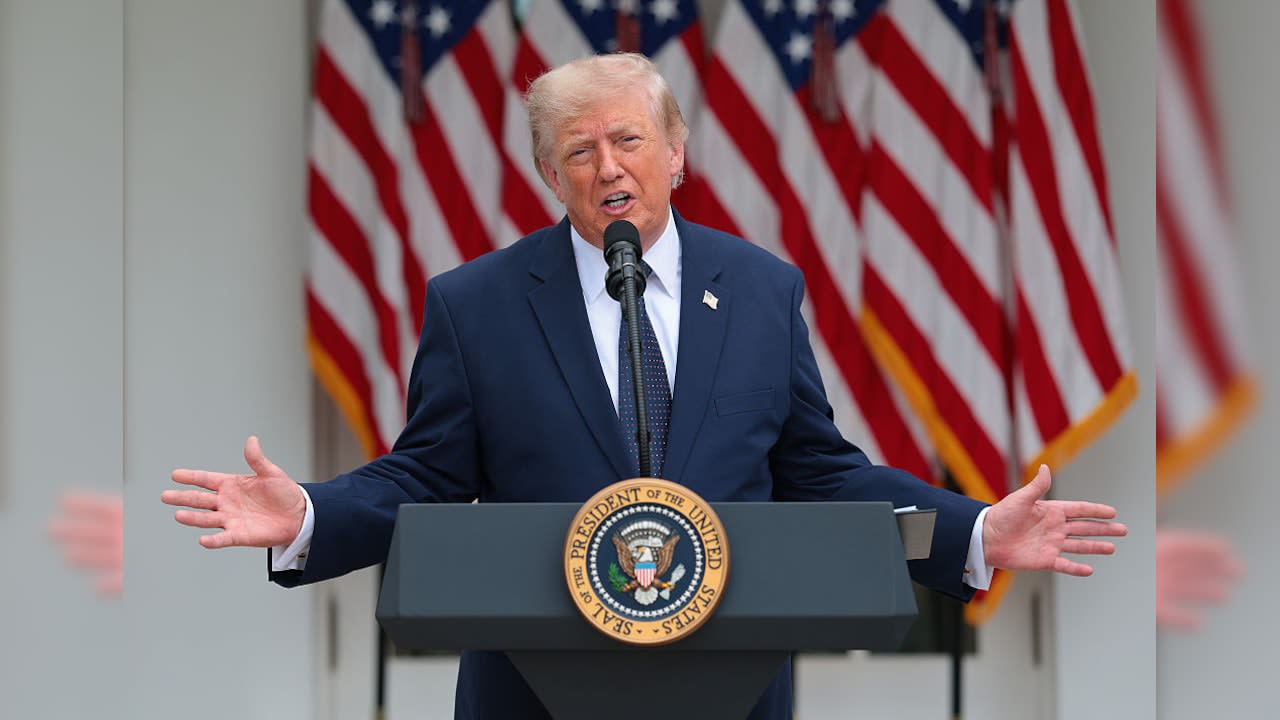
The U.S. and Iran are locked in an escalating conflict following the deaths of U.S. service members and a series of retaliatory military strikes. The situation threatens global energy security as the Strait of Hormuz remains a primary theater of engagement.
The Escalating U.S.-Iran Conflict: A Geopolitical Crisis
The current military confrontation between the United States and Iran has reached a critical inflection point, characterized by a persistent cycle of retaliatory strikes and rising human costs. Following the deaths of U.S. service members in Jordan and Iraq, President Donald Trump has adopted an aggressive stance, vowing that Iran will pay "many times over" for these casualties. This rhetoric signals a departure from previous containment strategies toward a more direct and sustained military engagement.
The Human Cost of Ongoing Hostilities
Beyond the strategic implications, the human toll of this conflict is mounting rapidly. Reports indicate that over 400 U.S. service members have been injured, with additional fatalities occurring during operations—including one soldier killed while managing debris from a downed Iranian drone in northern Iraq. With one service member still listed as missing, the human dimension of the conflict adds immense domestic political pressure on the U.S. administration to demonstrate resolve and protect its forces stationed across the Middle East.
Strategic Chokepoints and Economic Implications
Central to the U.S. military strategy is the protection of the Strait of Hormuz, a vital artery for global energy supplies. The U.S. Central Command (CENTCOM) has executed ten consecutive nights of strikes aimed at degrading Iranian military infrastructure that threatens commercial shipping. The disruption of this waterway has already triggered anxieties regarding global oil prices, as the volatility of the region directly impacts energy security for major world economies.
Regional Expansion and Diplomatic Fragility
Tehran’s response has been to expand the theater of conflict, with reports of Iranian missile barrages targeting U.S. allies, including Kuwait, Bahrain, and Jordan. President Masoud Pezeshkian has characterized the situation as a "full-scale war," marking a significant hardening of Iran's official position. Despite the collapse of interim ceasefire agreements, reports suggest that both nations continue to exchange diplomatic messages through intermediaries, indicating that while the kinetics of war are escalating, the channels for potential de-escalation remain precariously open.
Future Outlook and Regional Stability
As the U.S. continues its targeted strikes against Iranian military and communications sites, the potential for further miscalculation remains high. The conflict has moved beyond isolated skirmishes to a sustained tactical campaign. Future trends will likely depend on whether the U.S. can successfully neutralize the threat to maritime shipping without triggering a broader regional conflagration that would necessitate an even larger, more permanent troop presence in the Middle East.
Conclusion
In summary, the U.S.-Iran conflict has evolved into a high-stakes confrontation that combines significant loss of life with critical economic risks. While the U.S. remains committed to a policy of deterrence through force, the widening scope of Iranian attacks on regional allies suggests a long and difficult path ahead. International observers will be closely monitoring the situation as it balances between the brink of total war and the slim possibility of a renewed diplomatic framework.
Multiple Citing Sources
Verification Required?