Iran says civilian infrastructure hit by latest U.S. strikes, expands attacks to Syria, Bahrain
Source Entity
US Top News and Analysis
The U.S. and Iran are locked in an escalating six-day military conflict centered on the Strait of Hormuz. Following U.S. strikes on Iranian infrastructure, Iran has retaliated by targeting U.S. interests across Syria, Iraq, and Bahrain.
The Escalation of U.S.-Iran Hostilities
The ongoing conflict between the United States and Iran has reached a critical juncture, marked by six consecutive days of intense military exchanges. The U.S. strategy has focused primarily on degrading Iran’s ability to project power through the Strait of Hormuz, a global maritime chokepoint. By targeting bridges and logistics infrastructure around the strategic port city of Bandar Abbas—home to an Islamic Revolutionary Guard Corps (IRGC) naval base—the U.S. aims to choke off supply routes that facilitate attacks on commercial shipping vessels.
Strategic Objectives and Infrastructure Targeting
The systematic destruction of bridges connecting Bandar Abbas to regional provinces serves a dual purpose: it complicates the mobility of the IRGC and signals a shift in U.S. tactics toward neutralizing Iranian maritime dominance. U.S. Central Command has confirmed extensive operations against air defenses and logistics facilities. These actions are directly linked to the failure of a fragile, month-old truce, which had initially been designed to stabilize the Strait of Hormuz and prevent precisely this type of regional conflagration.
The Widening Scope of Conflict
As the U.S. intensifies its campaign, Iran has responded by expanding the theater of operations beyond its own borders. Tehran has launched missile attacks against U.S.-allied nations, including Qatar, and has struck U.S. military interests in Syria, Bahrain, and the Kurdish region of northern Iraq. This regionalization of the conflict suggests a calculated attempt by Iran to stretch U.S. resources and pressure the coalition of nations supporting American regional policy.
Humanitarian and Civilian Impact
The human cost of this six-day exchange is rising rapidly. While U.S. strikes are framed as military operations, Iranian state media alleges that civilian infrastructure—including train stations, airports, and additional bridges—has been damaged or destroyed. Officials in Tehran report significant casualties, claiming dozens killed and hundreds wounded. These reports of civilian impact are now central to the diplomatic rhetoric being used by both sides to justify further escalation.
Historical Context and Future Trends
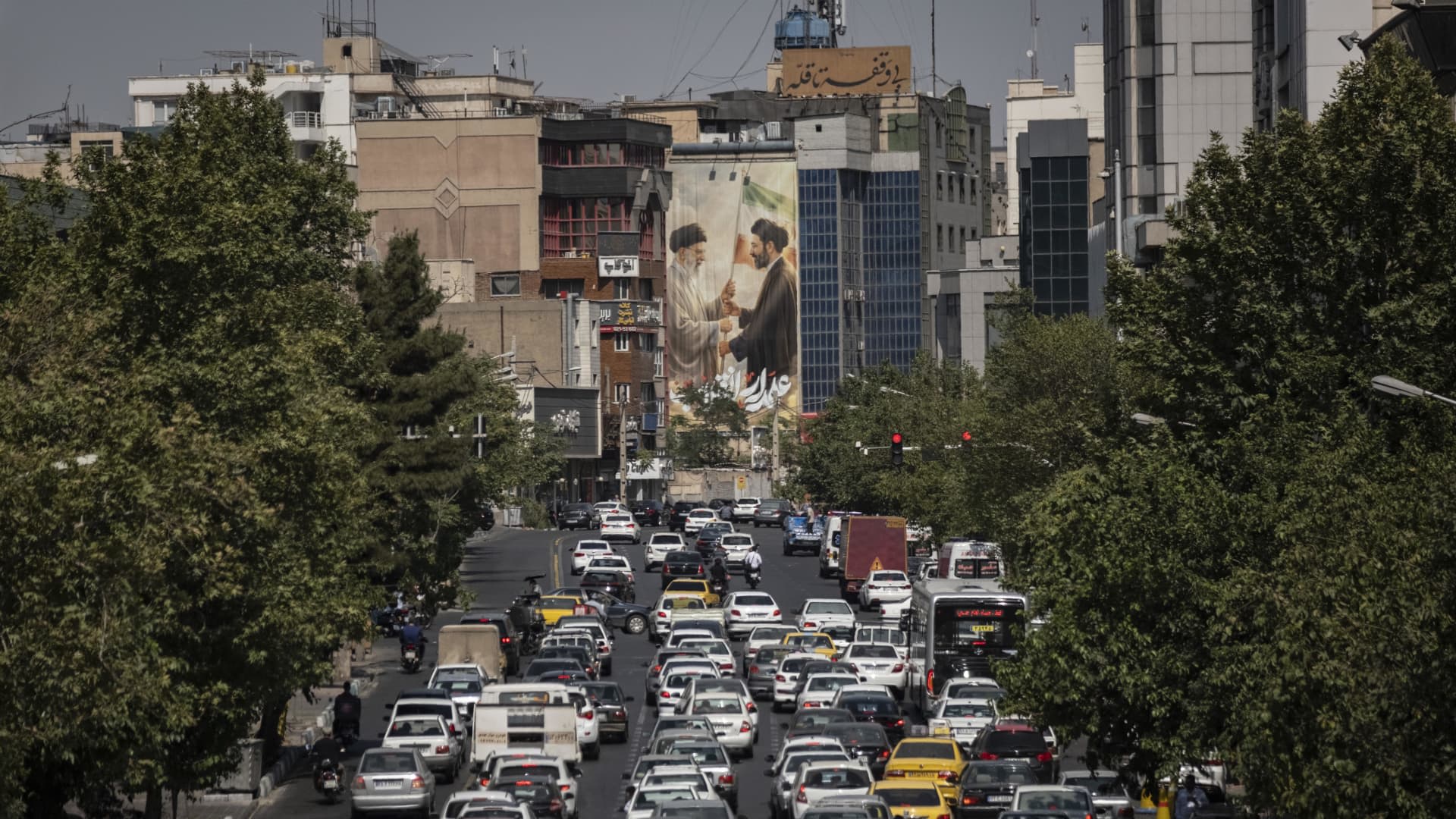
The collapse of the recent interim agreement highlights the deep-seated volatility in U.S.-Iranian relations. The presence of symbolic imagery in Tehran, such as banners depicting both the late and current Supreme Leaders, underscores a regime doubling down on its geopolitical stance despite the ongoing military pressure. Moving forward, the conflict risks further destabilization if the current cycle of tit-for-tat strikes continues. Future trends suggest that unless a new diplomatic framework is established, the risk of miscalculation remains high, potentially drawing more regional actors into a wider, more unpredictable war.
Conclusion
The situation remains highly fluid and dangerous. With both the U.S. and Iran engaging in asymmetric warfare across multiple borders, the path to de-escalation appears narrow. The focus on choking off Iranian supply lines in the Strait of Hormuz remains the core catalyst for the U.S. strategy, while Iran’s retaliatory strikes indicate a refusal to concede its regional influence, regardless of the mounting toll on infrastructure and personnel.
Multiple Citing Sources