US Says It Fired On Another Vessel Trying To Breach Iranian Naval Blockade
Source Entity
NDTV News Search Records Found 1000
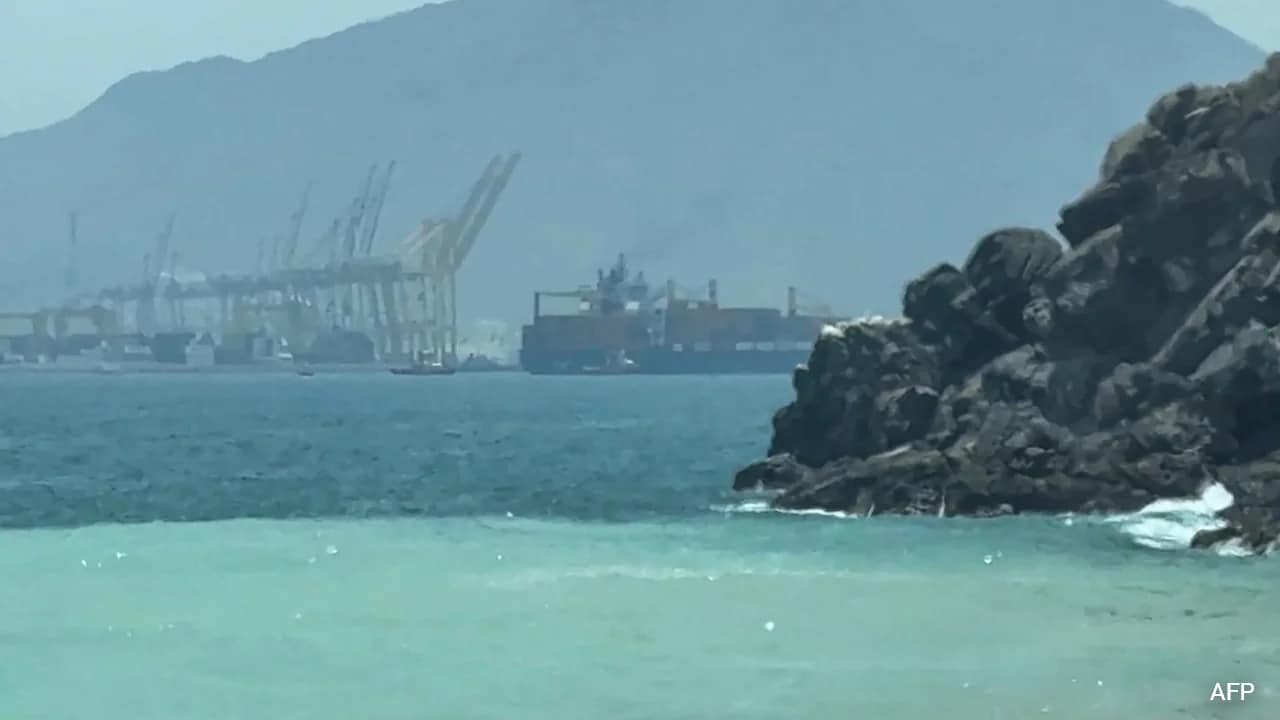
The United States and Iran remain locked in a persistent cycle of military aggression, marked by a 13th consecutive night of strikes. Tensions have escalated further following reports of a U.S. vessel firing upon a boat attempting to breach an Iranian naval blockade.
Escalating Maritime Tensions in the Persian Gulf
The ongoing geopolitical friction between the United States and Iran has reached a critical juncture, characterized by a relentless cycle of kinetic military engagement. The report of a 13th consecutive night of strikes underscores a deepening conflict that shows no signs of immediate de-escalation. This sustained period of hostility marks a significant departure from previous periods of calculated brinkmanship, suggesting that both nations are currently engaged in a high-stakes tactical confrontation that transcends traditional diplomatic posturing.
The Breach of Naval Blockades
The specific incident involving a U.S. vessel firing upon a boat attempting to breach an Iranian naval blockade highlights the volatility of the region's maritime corridors. By enforcing a blockade, Iran is exerting its strategic influence over key shipping lanes, a move that the United States is actively challenging through force. This interaction is not merely an isolated skirmish; it represents a fundamental clash over freedom of navigation and regional security architecture in the Persian Gulf, a region vital to global energy supplies.
Patterns of Persistent Conflict
The fact that these exchanges have persisted for nearly two weeks indicates a shift toward a 'new normal' in U.S.-Iran relations. Unlike sporadic past incidents, this 13-night streak of strikes suggests a synchronized effort by both parties to demonstrate military resolve. The U.S. military's commitment to maintaining its operational presence despite the threat of persistent fire signals an intent to deter further Iranian expansionism, while Iran’s refusal to back down points to a strategy of asymmetric resistance.
Broader Geopolitical Implications
This confrontation carries profound implications for the global economy, particularly regarding the security of oil transit through the Strait of Hormuz. Continued instability in these waters inevitably creates upward pressure on energy prices and complicates the logistics of international trade. Furthermore, this cycle of violence complicates existing international efforts to manage Iran's regional influence, as the military-to-military friction leaves little room for the de-confliction protocols that are usually essential to preventing accidental escalation into full-scale war.
Historical Context and Future Trends
Historically, U.S.-Iran relations have been defined by cycles of tension, but the current duration and frequency of these strikes are indicative of a more aggressive phase. Looking ahead, if this pace of engagement continues, the risk of miscalculation grows exponentially. The international community is likely to see increased pressure for third-party mediation, though the current hardening of positions on both sides suggests that such interventions may prove ineffective in the near term. The trajectory remains one of high volatility, with potential for further tactical clashes that could necessitate broader strategic realignments in the Middle East.
Verification Required?