Iran Targets Another Ship In Hormus Amid US Strikes On 10th Consecutive Night
Source Entity
NDTV News Search Records Found 1000
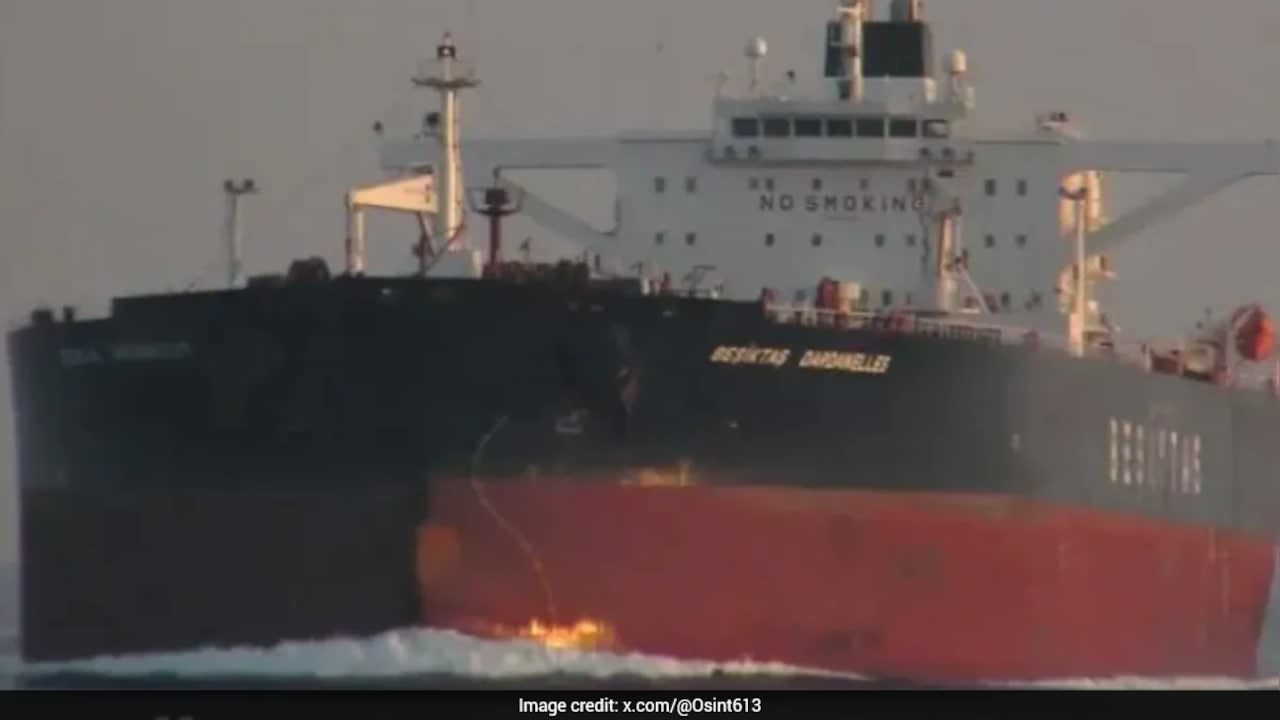
The U.S. has conducted a tenth consecutive night of strikes against Iranian military assets, while Iran retaliates by targeting ships in the Strait of Hormuz. Regional mediators are currently pushing for a 10-day ceasefire to stabilize the volatile situation.
Escalation in the Strait: The US-Iran Conflict
The ongoing military engagement between the United States and Iran has reached a critical juncture, marked by the tenth consecutive night of American strikes. According to official reports, these operations are explicitly designed to degrade Iranian military capabilities. The geographical scope of this conflict is extensive, with Iranian authorities reporting that strikes have impacted 95 locations across 12 cities, including significant infrastructure in Hormozgan province. This sustained campaign reflects a strategic shift in Washington's approach to neutralizing threats within the region.
The Retaliatory Cycle and Maritime Security
As the U.S. continues its aerial campaign, Iran has responded by intensifying its maritime activities. Tehran has reportedly targeted vessels within the Strait of Hormuz, a critical global shipping artery. Furthermore, the conflict has expanded beyond direct US-Iran friction, with reports indicating that Tehran has directed strikes toward various US-allied nations across the Middle East. This broadening of the theater of operations complicates the security landscape for international trade and regional stability.
Houthi Involvement and New Fronts
The situation is further exacerbated by the involvement of the Iran-backed Houthis in Yemen. Recent threats from the group to impose a naval blockade on Saudi Arabia suggest the potential for a new, dangerous front in the conflict. Such a move would not only threaten the energy supply chains integral to the global economy but also force US-allied nations to divert military resources, thereby stretching the defensive capabilities of the regional coalition.
The Role of Diplomacy Amidst Hostilities
Despite the relentless exchange of fire, there is a glimmer of hope driven by regional mediators. A proposal for a 10-day ceasefire is currently being debated by both Washington and Tehran. This diplomatic intervention is viewed as a crucial step to potentially salvage the Memorandum of Understanding established last month. Whether both parties are willing to pause their tactical objectives to accommodate this window of negotiation remains the defining question of the current crisis.
Strategic Implications and Future Outlook
The persistence of this conflict highlights the fragility of the current Middle East security architecture. The U.S. objective of degrading Iranian military power is being met with asymmetric responses that test the endurance of regional alliances. If the 10-day ceasefire proposal fails to gain traction, the likelihood of further regional spillover increases, potentially drawing more nations into the fray. The coming days will be pivotal in determining whether the conflict moves toward a de-escalation phase or descends into a more protracted regional war.
Multiple Citing Sources
Verification Required?