US soldiers must now undergo mandatory testosterone screening, says Hegseth
Source Entity
The Indian Express
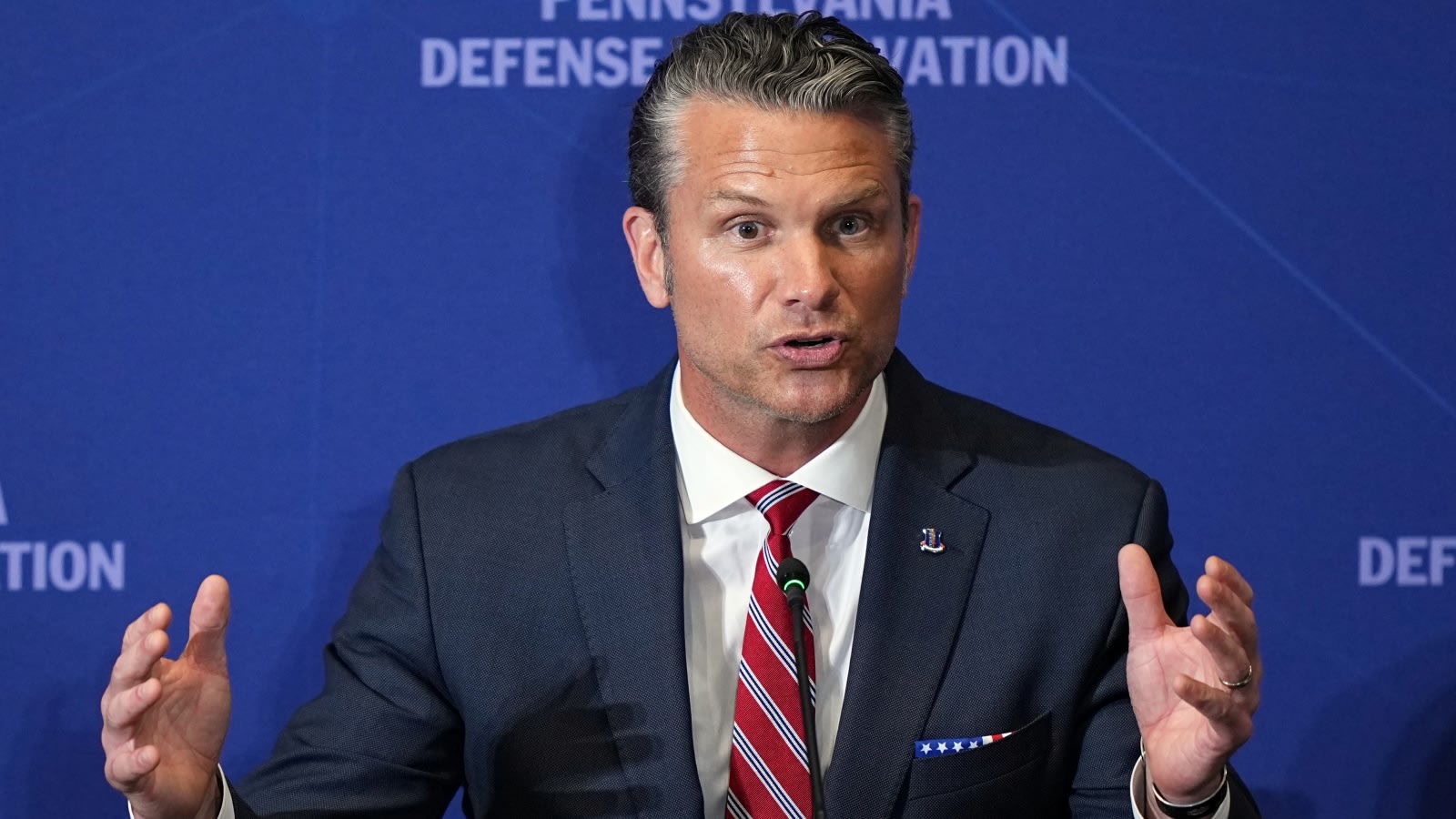
US Defense Secretary Pete Hegseth has announced that all active-duty service members aged 30 and older will now be required to undergo annual testosterone screenings as part of their routine medical evaluations to ensure optimal health and operational readiness.
Enhancing Combat Readiness: The Shift Toward Hormonal Monitoring in the US Military
In a significant shift in military health policy, US Defense Secretary Pete Hegseth has announced that all active-duty service members aged 30 and above must now undergo mandatory annual testosterone screenings. This directive integrates hormonal health into the routine medical evaluations of the force, signaling a move toward a more proactive, bio-analytical approach to maintaining the physical and mental readiness of the United States military. By targeting the 30-and-older demographic, the Department of Defense is addressing a critical biological window where natural testosterone levels typically begin to decline, potentially impacting a soldier's overall performance.
The Link Between Hormonal Health and Operational Lethality
From a physiological standpoint, testosterone is not merely associated with muscle mass; it plays a pivotal role in cognitive function, mood regulation, and bone density. In the high-stress environment of active military service, maintaining optimal hormonal levels is directly tied to "lethality"—the ability of a soldier to perform under extreme pressure. Low testosterone, or hypogonadism, can lead to increased fatigue, decreased mental clarity, and a higher susceptibility to depression and anxiety. By mandating these screenings, the DoD aims to identify deficiencies early, allowing for medical interventions that ensure soldiers remain physically robust and psychologically resilient in the field.
Broader Implications for Military Medical Infrastructure
This policy represents a broader trend of "human performance optimization" within elite organizations. Integrating annual screenings for a large portion of the active-duty force will require a significant scaling of medical logistics and laboratory resources. Beyond the immediate health benefits, this move suggests a strategic pivot toward treating the soldier as a high-performance athlete. However, this shift also introduces complexities regarding the medicalization of the force. There may be internal debates concerning the threshold for treatment and the potential for over-prescription of testosterone replacement therapy (TRT), which must be carefully managed to avoid long-term health complications or dependency.
Historical Context and the Hegseth Doctrine
Secretary Hegseth's directive aligns with his stated goals of returning the military's primary focus to combat effectiveness and traditional readiness. Historically, military medicine has focused on treating acute injuries and managing chronic illnesses. Moving toward a preventative, screening-based model for hormonal health reflects a philosophy that views biological optimization as a component of national security. This approach mirrors trends seen in professional sports and special operations units, where bio-monitoring is used to squeeze every possible percentage of performance out of the individual.
Future Trends in Bio-Surveillance and Force Management
Looking forward, this mandate could be the precursor to a more comprehensive bio-surveillance program. If testosterone screening proves successful in improving readiness markers, the DoD may expand these screenings to younger cohorts or include other biomarkers such as cortisol levels to measure chronic stress. We may see the emergence of personalized health profiles for soldiers, where medical interventions are tailored to the individual's endocrine system to maximize endurance and recovery. This evolution toward "precision military medicine" will likely redefine the standards of fitness and readiness for the next generation of service members.
Conclusion
The mandate for annual testosterone screenings for service members aged 30 and older is a calculated move to safeguard the physical and mental edge of the US military. While it raises questions about the scale of medical intervention and the boundaries of biological optimization, its core objective is the preservation of operational readiness. By addressing the biological realities of aging within the ranks, the Department of Defense is attempting to ensure that its leadership and experienced personnel remain as capable and resilient as the newest recruits.