Iran haunts Trump? US tankers create chaos at Israel’s biggest airport, 50,000 passengers stranded
Source Entity
Latest News: Today's Latest News Headlines from India & World | Hindustan Times | Hindustan Times
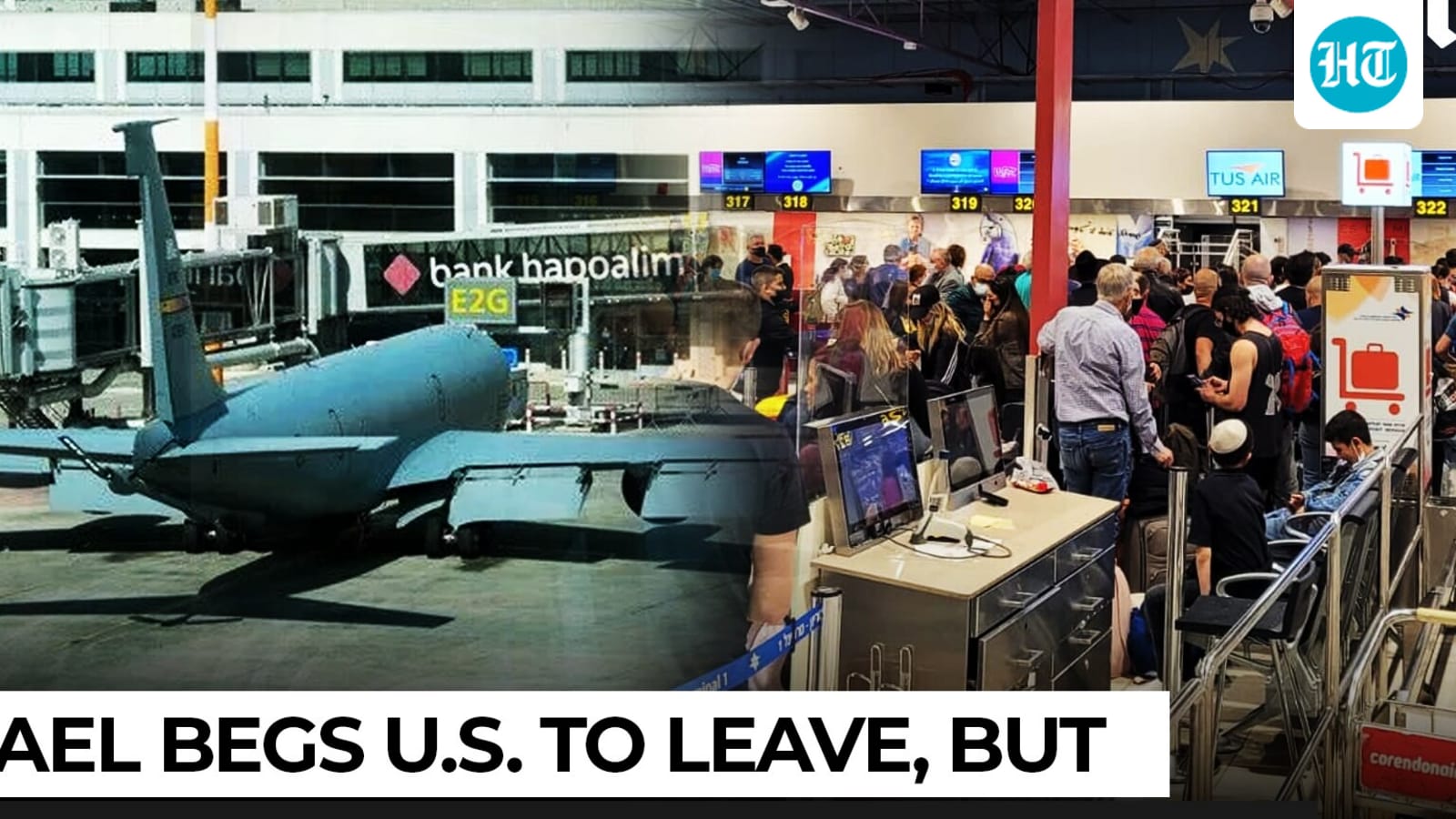
The deployment of U.S. military aerial refueling tankers at Israel's Ben Gurion Airport has created a logistical crisis, threatening to disrupt travel for approximately 50,000 passengers. Israeli officials are currently coordinating with Prime Minister Benjamin Netanyahu to relocate the aircraft to military bases to alleviate pressure on civilian operations.
Military Logistics vs. Civilian Infrastructure: The Ben Gurion Airport Crisis
The recent operational strain at Israel's Ben Gurion Airport serves as a stark illustration of the friction that occurs when high-stakes military readiness intersects with critical civilian infrastructure. The suspension of the planned departure of U.S. aerial refueling aircraft, coupled with the arrival of four additional tankers, has created a physical bottleneck on the airport's aprons. Because these tankers are massive aircraft requiring significant parking and maneuvering space, their presence has drastically reduced the available capacity for commercial flights, leading to a looming crisis for tens of thousands of travelers.
The Logistical Impact and Passenger Risk
According to reports from N12, the Israel Airports Authority has sounded an alarm regarding the sustainability of current operations. The forecast is dire: if the U.S. military aircraft are not relocated or departed by July 23, the resulting congestion could disrupt nearly 50,000 passenger bookings by the end of the month. This is not merely a matter of delayed flights but a systemic failure of airport throughput. Ben Gurion is the primary gateway for Israel; any significant reduction in its operational capacity has immediate ripple effects on the nation's tourism, business travel, and the movement of citizens, potentially leading to massive stranded populations and economic loss.
Geopolitical Drivers and the 'Iran Factor'
While the immediate problem is logistical, the root cause is deeply geopolitical. The deployment of aerial refueling tankers is a strategic move designed to extend the reach and endurance of fighter jets, a capability that is essential for maintaining air superiority and conducting long-range missions. In the context of ongoing tensions with Iran and its proxies, these tankers act as a force multiplier for both the U.S. and Israeli air forces. The headline's reference to Iran 'haunting' the strategic landscape underscores that these aircraft are not there for routine exercises but are positioned as a deterrent or as preparation for potential escalation in the region.
Strategic Dilemmas and Governmental Intervention
The escalation of this issue to Prime Minister Benjamin Netanyahu highlights the sensitivity of the situation. The Israeli government faces a delicate balancing act: they must maintain the highest possible state of military readiness to counter regional threats, yet they cannot afford the domestic instability and economic damage caused by the collapse of their main international airport. The proposal to relocate the tankers to Israeli Air Force (IAF) bases is the most logical solution, but such a move involves complex coordination regarding base capacity, security protocols, and the specific operational requirements of the U.S. Air Force.
Broader Implications and Future Trends
This incident reveals a vulnerability in how dual-use or adjacent military-civilian aviation hubs are managed during periods of heightened tension. As regional volatility increases, the demand for rapid military deployment often clashes with the rigid schedules of global commercial aviation. Looking forward, this event may prompt Israel and the U.S. to establish more robust pre-planned contingencies for aircraft basing, ensuring that military surges do not inadvertently sabotage civilian mobility. The ability to seamlessly transition military assets from civilian hubs to dedicated airbases will be critical for maintaining national resilience.
Summary
In conclusion, the congestion at Ben Gurion Airport is a physical manifestation of the broader security tensions in the Middle East. The potential displacement of 50,000 passengers is a significant collateral consequence of military positioning. The resolution of this crisis depends on the swift coordination between the U.S. military and the Israeli government to move strategic assets to military installations, thereby decoupling essential defense readiness from the essential functions of civilian transport.
Verification Required?