US new home sales fall 0.6% in September as mortgage rates rise to 7.32% amid Middle East conflict
Source Entity
Latest News: Todays Latest News Headlines from India & World | Hindustan Times | Hindustan Times
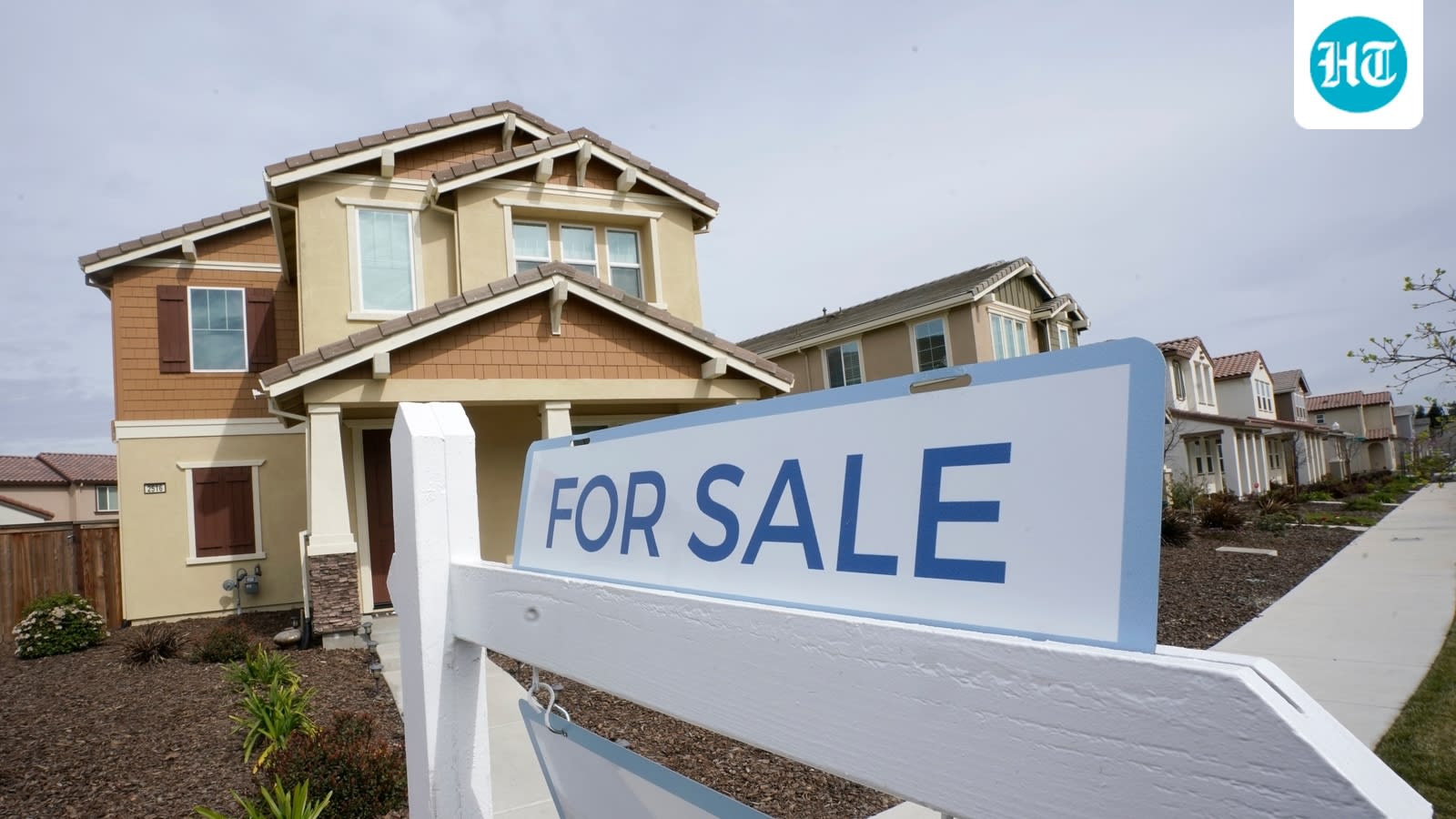
US new home sales dipped 0.6% to 676,000 units in September as mortgage rates climbed to 7.32%. The cooling demand is largely attributed to heightened economic uncertainty stemming from the ongoing Middle East conflict.
The Impact of Macroeconomic Volatility on the US Housing Market
The US housing sector has hit a significant roadblock as new home sales for single-family residences dipped by 0.6% in September, settling at a seasonally adjusted annual rate of 676,000 units. This decline, reported by the US Census Bureau, reflects a broader struggle within the real estate market as it grapples with the dual pressures of persistent inflation and rising borrowing costs. While the figure outperformed the more pessimistic expectations of economists surveyed by Reuters—who had anticipated a decline to 650,000 units—the trend remains undeniably downward.
The Direct Correlation Between Geopolitics and Mortgage Rates
Central to this cooling demand is the sharp rise in mortgage rates, which reached 7.32% in September. This surge is not occurring in a vacuum; it is intrinsically linked to the instability caused by the Middle East conflict. As geopolitical tensions rise, investors typically flock to the safety of US Treasury bonds, which influences the yield environment for mortgage-backed securities. Consequently, the cost of financing a home has surged, placing a significant strain on prospective buyers who are already managing tight household budgets.
Downward Revisions and Market Fragility
Further complicating the outlook is the Census Bureau's downward revision of August’s data, which was adjusted from 684,000 to 680,000 units. These revisions suggest that the housing market was already exhibiting signs of fatigue earlier than initial estimates indicated. When combined with the September data, it becomes clear that the market is entering a period of contraction. The volatility in the financial markets, fueled by international uncertainty, is effectively pricing out a segment of the population that is highly sensitive to interest rate fluctuations.
Affordability as a Primary Barrier
Affordability remains the defining challenge for the current housing cycle. With mortgage rates hovering above 7%, the monthly cost of homeownership has risen dramatically compared to previous years. This affordability crisis is stifling demand, as potential buyers move to the sidelines, waiting for a stabilization in rates that currently seems unlikely given the global economic climate. The disconnect between home prices and purchasing power is a structural issue that continues to weigh heavily on sector growth.
Future Outlook and Economic Implications
Looking ahead, the housing market will likely remain under pressure as long as mortgage rates remain elevated. The intersection of geopolitical risk and domestic monetary policy creates a challenging environment for developers and buyers alike. If the instability in the Middle East continues to drive safe-haven buying in the bond market, mortgage rates may remain high, potentially leading to a further slowdown in new home construction. Stakeholders should anticipate a period of stagnation as the market attempts to recalibrate in response to these ongoing global challenges.
Verification Required?