US tariff threat on Russian oil: Bill a concern for India, but talks 'reassuring’
Source Entity
TOI BUSINESS DESK
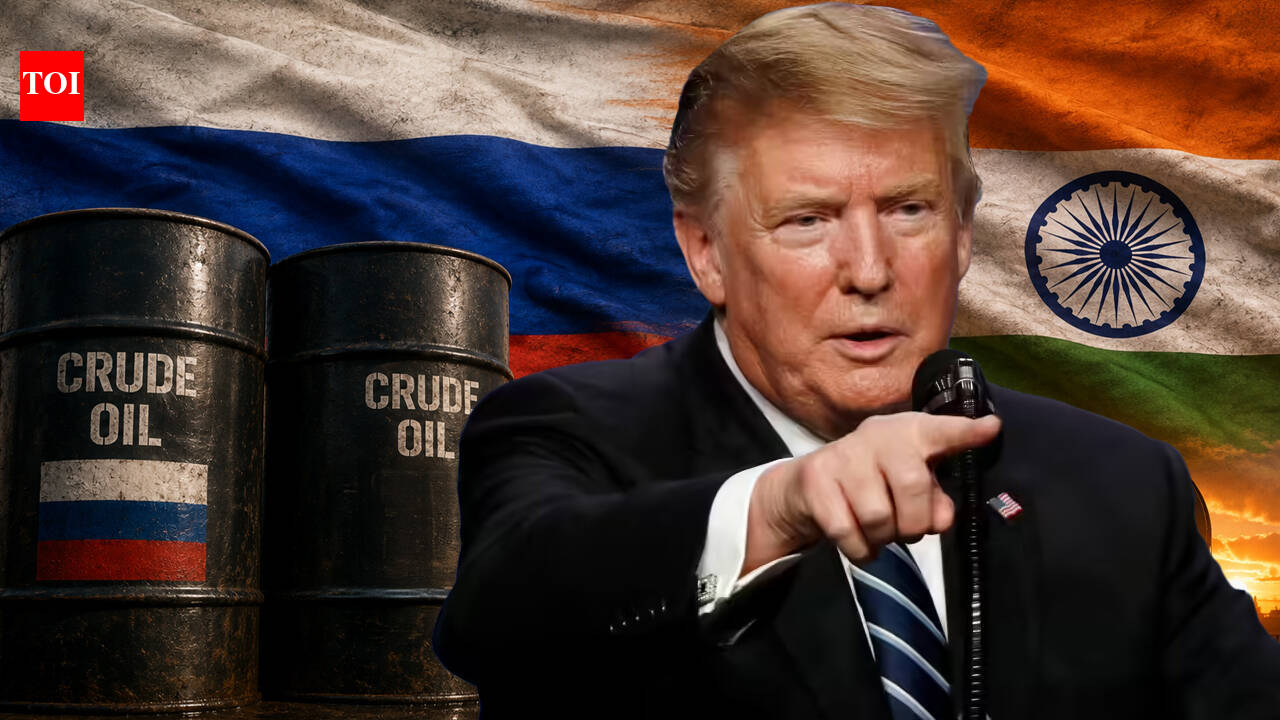
A proposed US bill threatening 100% tariffs on countries importing Russian oil creates a significant policy dilemma for India. As Russia currently supplies nearly half of India's crude oil, such sanctions could severely disrupt the nation's energy security and economic stability.
The Geopolitical Collision: US Sanctions and India's Energy Security
The introduction of the 'Lindsey O. Graham Sanctioning Russia and Iran Act of 2026' marks a potentially transformative moment in global energy diplomacy. By proposing tariffs of up to 100% on nations that continue to procure significant volumes of crude oil and natural gas from Russia, the United States is signaling an aggressive pivot toward secondary sanctions. For India, which has increasingly relied on affordable Russian energy to fuel its burgeoning economy, this legislative move represents a direct challenge to its sovereign energy procurement strategies.
The Reality of Dependence: India's Crude Landscape
To understand the gravity of this threat, one must look at the current import statistics. Recent data from the Global Trade Research Initiative (GTRI) highlights that in June alone, India imported $14.8 billion in crude oil, with Russian sources accounting for $7.2 billion—nearly 48.6% of the total. This dependence is not merely a matter of convenience; it is a structural pillar of India's current refinery operations. A sudden shift or a forced reduction in these imports would leave a massive supply vacuum that cannot be easily filled by other global suppliers without significant cost premiums.
Economic Implications: The Cost of Compliance
If the US bill were to pass and be enforced, the immediate economic impact on India would be twofold. First, the imposition of tariffs would drastically increase the cost of imported energy, potentially leading to inflationary pressure on fuel prices domestically. Second, the logistical challenge of pivoting away from Russian crude would threaten the operational efficiency of India’s massive refinery sector. These refineries have been calibrated to handle specific grades of crude, and a rapid transition to new suppliers could result in technical bottlenecks and reduced output.
Diplomatic Tightrope and Reassurances
Despite the legislative threat, there is a sense of cautious optimism in New Delhi. Reports indicate that ongoing bilateral talks between Indian and American officials have been described as 'reassuring.' This suggests that while the US is firm on its stance regarding Russian sanctions, there is a recognition of the geopolitical nuances involved. The US is likely weighing the necessity of isolating the Russian economy against the risk of destabilizing a key strategic partner in the Indo-Pacific region.
Historical Context and Future Trends
Historically, India has maintained a policy of strategic autonomy, balancing relationships with diverse global powers to ensure its national interests. The current situation is an evolution of this balancing act. Looking ahead, if the bill advances, India may be forced to accelerate its diversification efforts, seeking long-term supply contracts with alternative nations such as those in the Middle East or Latin America to mitigate the risk of US tariff exposure. The outcome of this legislative saga will set a significant precedent for how middle powers navigate the intersection of great-power conflicts and domestic economic needs.
Conclusion: Assessing the Path Forward
In summary, the 'Sanctioning Russia and Iran Act of 2026' acts as a critical stress test for the US-India partnership. While the threat of 100% tariffs is severe, the ongoing dialogue suggests that both nations are seeking a diplomatic middle ground. India’s challenge remains to preserve its energy security while navigating the tightening web of global sanctions, ensuring that its economic growth trajectory remains uninterrupted despite shifting geopolitical tides.