From fragile truce to fresh strikes: How the US-Iran ceasefire unravelled
Source Entity
The Indian Express
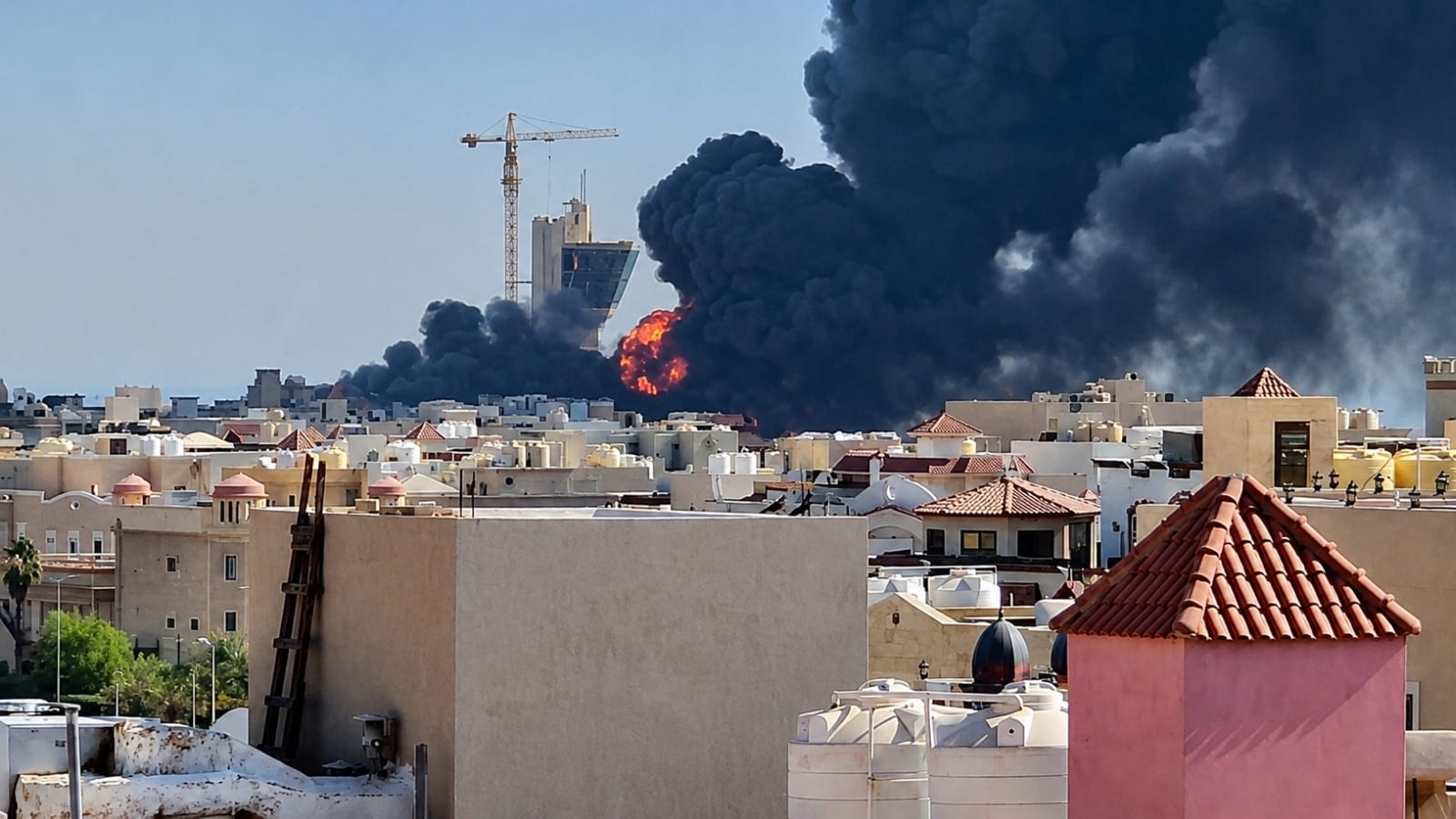
Two US service members were killed and one remains missing following Iranian ballistic missile and drone attacks on a military base in Jordan. This escalation brings the total US death toll in the conflict to 16 and follows a series of retaliatory strikes between the two nations.
Escalation in Jordan: Analysis of Iranian Strikes on US Forces
In a significant escalation of regional hostilities, the US military has confirmed that two service members were killed and one remains missing following a series of Iranian ballistic missile and drone attacks targeting a military base in Jordan. This incident represents a critical juncture in the ongoing conflict, as it marks the first time American troops have been killed by direct Iranian fire since the early stages of the current war. While the US Central Command (Centcom) and the Pentagon have not yet released the identities of the deceased or the specific location of the base, the event underscores the vulnerability of strategic installations in the region to advanced drone and missile technology.
Defensive Operations and Immediate Aftermath
The attack was met with a coordinated defensive response from US and partner forces. Jordan's military reported the successful interception of 10 Iranian missiles fired into its airspace overnight, which prevented further catastrophic damage to civilian or military infrastructure. Despite the defensive efforts, the human cost was evident; beyond the two fatalities and one missing person, four additional service members required medical evacuation to hospitals in Jordan. The fact that these injured personnel have since been discharged and others with minor injuries have returned to duty suggests that while the attack was lethal, the overall structural damage to the base may have been mitigated by the interception efforts.
The Cycle of Retaliation and Strategic Warnings
This strike does not occur in a vacuum but is part of a broader, volatile pattern of "traded strikes" between Tehran and Washington. Iran had previously issued stern warnings to the United States, promising "unforgettable lessons" should US operations continue. In response to Iranian aggression, US Central Command has conducted targeted strikes against Iranian surveillance and infrastructure sites. This tit-for-tat dynamic indicates a breakdown in diplomatic deterrence, where both powers are now utilizing direct kinetic action to signal their resolve and capabilities, significantly increasing the risk of an all-out regional war.
Geopolitical and Economic Ramifications
The conflict's impact extends far beyond the military bases in Jordan. The reports indicate that the ongoing hostilities have already disrupted shipping through the Strait of Hormuz, one of the world's most critical maritime chokepoints for global oil and gas supplies. By leveraging its geographic position and military assets, Iran is demonstrating its ability to exert economic pressure on the global community as a byproduct of its military confrontation with the US. This strategy links tactical military strikes in Jordan to broader global economic stability, forcing international actors to consider the cost of US military presence in the Gulf.
Analysis of Casualty Trends
The death toll for US service members in this conflict has now risen to 16, a number that includes a US Navy pilot who went missing earlier this month. The steady increase in casualties suggests a shift in the nature of the conflict from indirect proxy warfare to more direct confrontations. The missing status of one soldier in the Jordan attack and the previous disappearance of the Navy pilot add a layer of psychological tension and operational uncertainty for the Pentagon, as the recovery of personnel in contested zones becomes increasingly complex.
Future Outlook and Conclusion
Looking forward, the trajectory of this conflict suggests a period of heightened instability. The use of ballistic missiles and drones indicates that Iran is willing to employ high-end capabilities to target US assets directly. The US is likely to intensify its strikes on Iranian infrastructure to deter further attacks, but as seen with the "unforgettable lessons" rhetoric, such actions may only provoke further escalation. The situation remains precarious, with the security of the Strait of Hormuz and the safety of US personnel in Jordan serving as the primary flashpoints for future engagements. In summary, the deaths in Jordan mark a dangerous transition toward direct state-on-state conflict in the Middle East.
Multiple Citing Sources