U.S. Supreme Court to review 1868 federal ban on home distilling of liquor
Source Entity
Hacker News
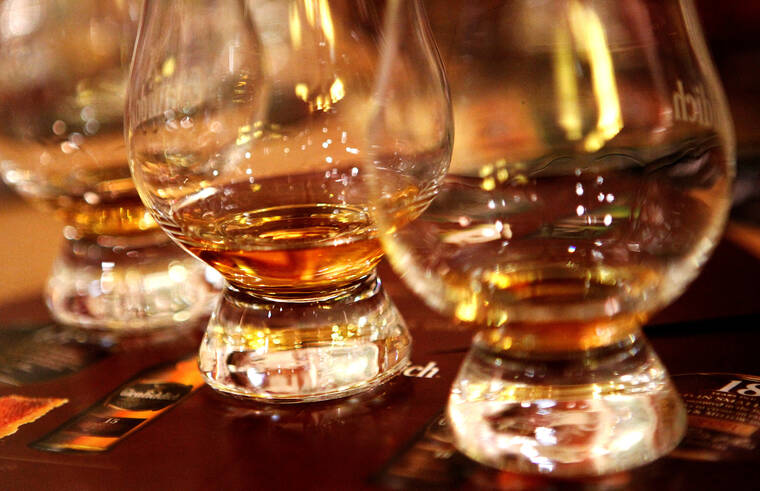
The U.S. Supreme Court will review the constitutionality of an 1868 federal ban on home distilling. The case challenges the government's authority to regulate personal spirit production, with a ruling expected by June.
The Constitutional Challenge to Home Distilling
The U.S. Supreme Court has agreed to hear a landmark case regarding the 1868 federal ban on the home distilling of alcoholic spirits. This legal battle centers on whether the federal government possesses the constitutional authority to prohibit individuals from distilling liquor in their own homes, a restriction that has remained in place for over 150 years.
Historical Context: Post-Civil War Revenue
To understand the origins of this prohibition, one must look back to the aftermath of the American Civil War (1861-1865). During this tumultuous period, the federal government faced severe fiscal strain and sought new avenues to secure national revenue. The 1868 ban was specifically enacted as a mechanism to curb widespread liquor tax evasion, ensuring that the government could effectively collect excise taxes on spirits produced for commercial sale.
The Legal Tug-of-War
The current dispute presents a direct confrontation between the executive branch and a coalition of challengers. The Trump administration is defending the constitutionality of the longstanding statute, arguing that federal oversight is essential for tax collection and safety. Conversely, the challengers contend that Congress overstepped its constitutional bounds by creating a blanket prohibition that restricts personal activity, an argument that has gained significant traction with more than a dozen Republican-led states filing briefs in support of the challenge.
Implications of the Supreme Court Review
By taking up the administration’s appeal of a lower court ruling that favored the challengers, the Supreme Court has set the stage for a major constitutional showdown. This case forces the judiciary to weigh the historical power of Congress to levy taxes and regulate commerce against modern interpretations of individual property and personal liberty rights. The outcome will likely redefine the scope of federal authority over home-based activities that intersect with taxable commodities.
Future Trends and Judicial Expectations
The high court is scheduled to hear oral arguments in the coming months, with a final decision expected by the end of June. Legal analysts are closely watching this case, as a ruling against the ban could have cascading effects on federal regulations regarding home production. This case represents a significant moment in the ongoing national conversation regarding the balance between centralized federal enforcement and individual autonomy.