US to revoke up to 2 lakh visas: Who could be affected and why
Source Entity
The Indian Express
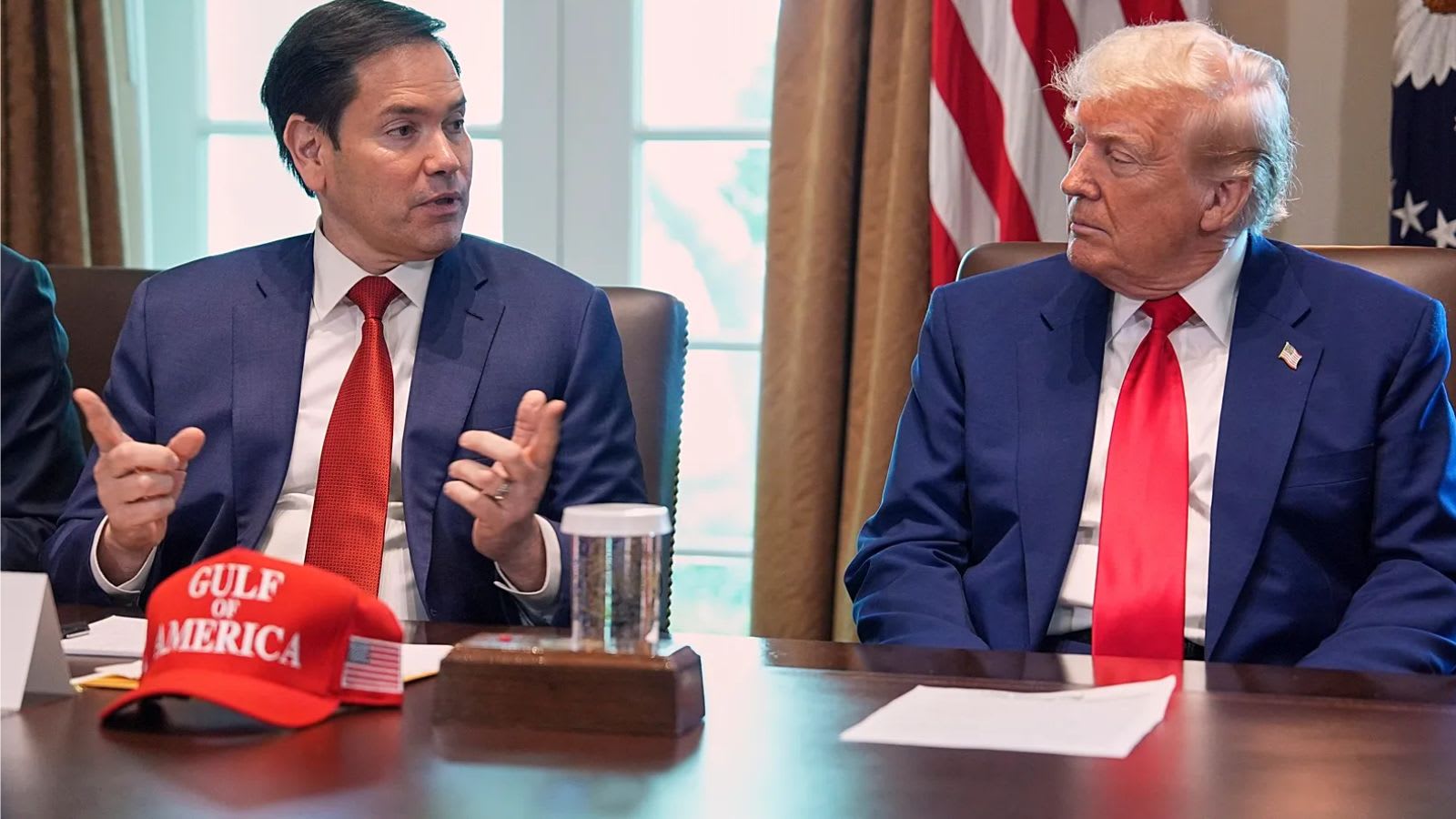
The Trump administration is preparing to revoke up to 200,000 B1 and B2 business and tourist visas for individuals who have sought or are seeking asylum. This unprecedented mass revocation, coordinated by the State Department and DHS, is expected to face significant legal scrutiny.
The Trump Administration’s Unprecedented Visa Revocation Strategy
The Trump administration has signaled a major shift in immigration policy, with plans to revoke up to 200,000 business (B1) and tourist (B2) visas. This action, reportedly the largest mass visa revocation in U.S. history, specifically targets individuals who have applied for or are currently seeking asylum status. According to documentation obtained by the Associated Press, the State Department, in coordination with the Department of Homeland Security, intends to target visas issued between 2016 and 2026.
Targeting the Asylum-Visa Nexus
At the heart of this policy is a strategic effort to tighten the criteria for legal presence in the United States. By focusing on individuals who hold temporary travel or business visas but have subsequently initiated asylum claims, the administration aims to curb what it perceives as an exploitation of visa categories. The administration’s stance, supported by officials like Secretary of State Marco Rubio and Vice President JD Vance, reflects a broader agenda to prioritize stricter enforcement and potentially increase the financial burden on foreign workers via new H-1B fees.
Operational Scope and Legal Implications
While the scale of this operation is historic, officials have clarified that the immediate revocation of these documents does not automatically trigger mass deportation. Instead, the move effectively strips these individuals of their current legal status, fundamentally altering their standing within the U.S. immigration system. Given the sheer volume of affected individuals, legal experts anticipate that the administration will face immediate and rigorous challenges in federal court, potentially delaying or forcing a revision of the policy.
The Role of Executive Coordination
This initiative underscores a highly coordinated effort between the White House, the Department of State, and the Department of Homeland Security. The presence of Secretary of State Marco Rubio at recent cabinet meetings highlights the administration's emphasis on aligning foreign policy with domestic immigration control. By utilizing visa revocation as a primary tool of enforcement, the administration is signaling a departure from previous administrative norms regarding the intersection of travel documents and asylum eligibility.
Broader Economic and Diplomatic Impacts
Beyond the immediate impact on the 200,000 visa holders, this policy change carries significant implications for international relations and the U.S. labor market. The concurrent proposal by Vice President JD Vance to impose steep new fees for H-1B visas suggests a multi-pronged approach to reducing reliance on foreign labor and tightening entry requirements. These shifts could lead to increased scrutiny of U.S. immigration processes by global partners and create a period of deep uncertainty for multinational businesses and international travelers alike.
Future Trends and Outlook
Looking ahead, the success or failure of this policy will depend heavily on the judicial branch's interpretation of executive authority regarding visa issuance and revocation. If the administration succeeds in implementing this measure, it will set a significant precedent for how future governments manage the overlap between temporary visitor status and permanent residency claims. The coming weeks will be critical as the State Department prepares to make its formal announcement, likely marking the beginning of a prolonged legal and political confrontation.
Multiple Citing Sources