Zelensky Holds "Productive" Talks With Trump Envoys, Witkoff To Meet Putin Today
Source Entity
NDTV News Search Records Found 1000
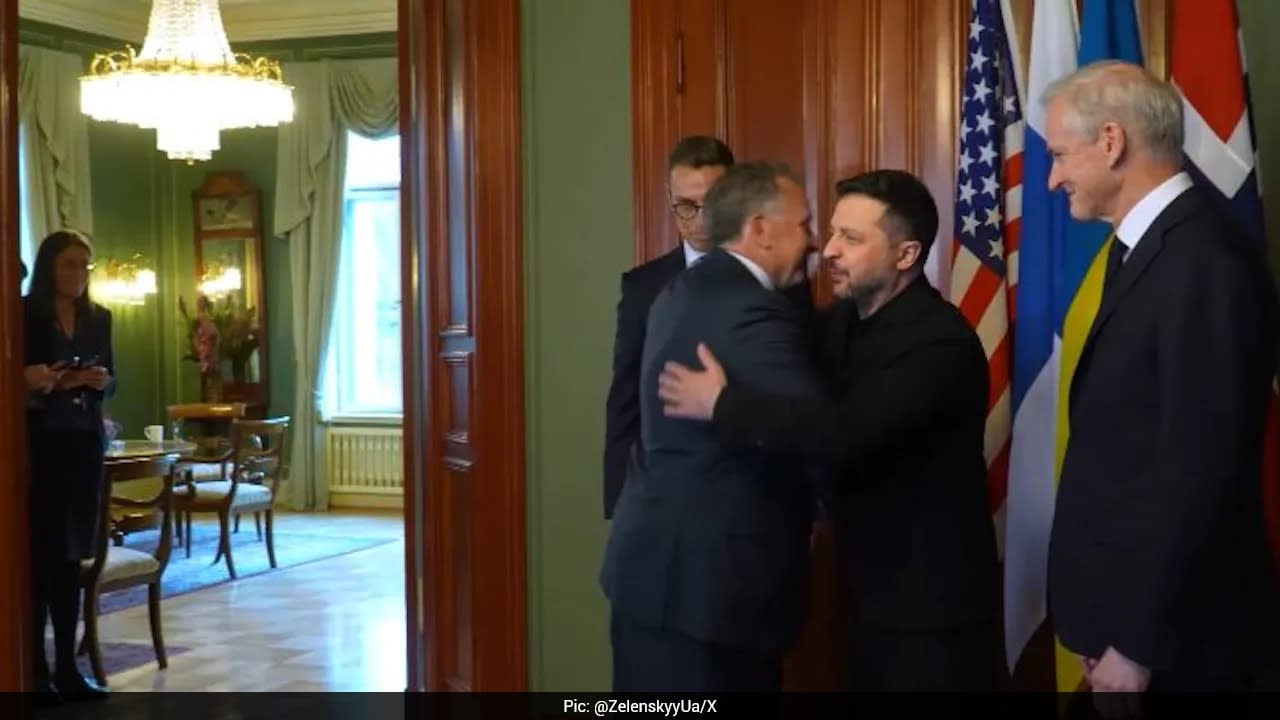
Tensions between Washington and Kyiv are escalating as the Trump administration reportedly blocks Patriot missile transfers and limits intelligence sharing. Ukrainian President Zelenskyy has publicly questioned the lack of early warnings, while U.S. officials deny withholding critical support.
The Deepening Rift Between Washington and Kyiv
Recent reports indicate a significant cooling in relations between the United States and Ukraine, characterized by stalled military support and public diplomatic friction. The Trump administration has reportedly blocked the transfer of American-made Patriot interceptor missiles from third-party nations to Ukraine. This move comes at a precarious moment for Kyiv, which is currently facing a surge in Russian missile and drone strikes, and has openly warned that its existing stockpile of interceptor ammunition is reaching dangerously low levels.
Intelligence Sharing Under Scrutiny
Beyond hardware, the tactical alliance between the two nations appears to be fracturing over intelligence transparency. President Volodymyr Zelenskyy has expressed public frustration regarding a lack of early warning notifications for recent Russian ballistic missile strikes, specifically citing a lack of clarity from Washington regarding these intelligence gaps. While Zelenskyy has pointed to the absence of American warnings as a potential life-costing failure, U.S. Secretary of State Marco Rubio has dismissed such claims as "scandalous" and "outrageous," asserting that the United States remains committed to sharing critical data.
The Strategic Impact of Patriot Delays
The decision to withhold Patriot interceptors from international partners seeking to aid Ukraine creates a vacuum in regional air defense. The Patriot system is a cornerstone of Ukraine’s ability to neutralize high-altitude ballistic threats. By delaying these transfers, the administration is effectively limiting Ukraine’s defensive reach, a move that Moscow has reportedly viewed with cautious optimism. This shift suggests a broader reassessment of U.S. military aid priorities under the current administration.
Diplomatic Maneuvering in Oslo
In an effort to mitigate the damage to the strategic partnership, President Zelenskyy has moved to organize high-level talks in Oslo, Norway, with U.S. envoys, including Steve Witkoff. These discussions, facilitated by the Norwegian government, represent a critical attempt to restore a line of communication at a time when military technical advisers in Ukraine are openly documenting the human cost of intelligence lapses. The outcome of these talks will likely dictate the trajectory of future U.S.-Ukraine military cooperation.
Future Trends and Geopolitical Implications
Looking ahead, the friction between President Trump and President Zelenskyy suggests a shift in the traditional U.S.-Ukraine security architecture. If the current trajectory of "America First" policy continues to prioritize the retention of domestic military assets over international distribution, Ukraine may be forced to seek alternative security guarantees or transition toward a more decentralized defense strategy. The global community remains watchful, as any further degradation in intelligence or hardware support could fundamentally alter the balance of power on the front lines, potentially emboldening Russian offensive operations in the coming months.
Multiple Citing Sources
Verification Required?