US announces visa curbs on foreigners linked to 'far-left terrorist' groups
Source Entity
TOI NEWS DESK
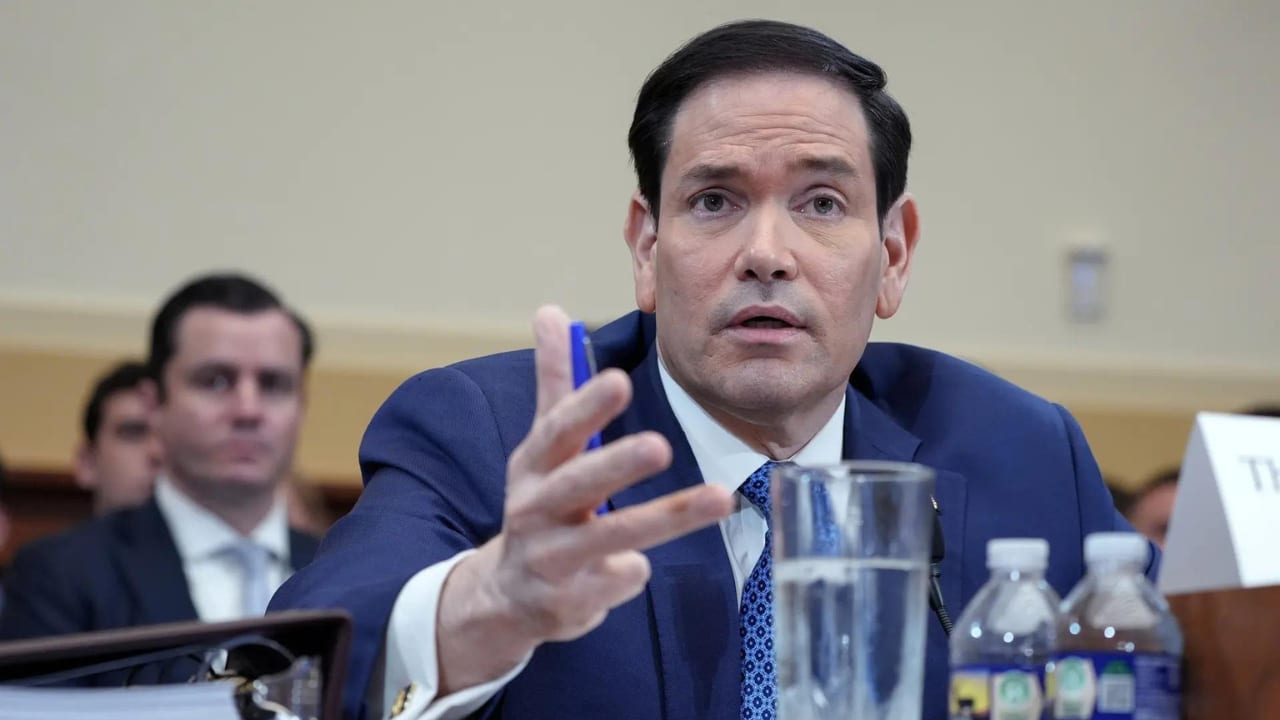
US Secretary of State Marco Rubio has announced new visa restrictions to bar foreign nationals who support or fund far-left terrorist organizations. The policy aims to address perceived gaps in counterterrorism doctrine by targeting groups that utilize political violence and intimidation.
US Implements Stringent Visa Curbs on Far-Left Extremist Supporters
In a significant shift in American foreign policy and national security posture, US Secretary of State Marco Rubio announced on Thursday a new set of visa restrictions targeting foreign nationals associated with what the administration terms "far-left terrorist" and aligned groups. This policy, communicated via social media and official State Department channels, explicitly bars individuals who finance, incite, or facilitate the activities of these organizations from entering the United States.
Addressing a Perceived Counterterrorism Blind Spot
Secretary Rubio emphasized that for too long, US counterterrorism doctrine has maintained a "blind spot" regarding political violence emanating from the far-left spectrum. By focusing on these specific networks, the administration aims to broaden the scope of its security framework. According to the State Department, this action aligns with National Security Presidential Memorandum-7, reflecting an intent to treat organized political violence as a direct threat to domestic stability and national interest.
Defining the Threat: Violence as a Political Tool
The State Department’s definition of these groups centers on the use of violence as a mechanism to influence political outcomes. The administration alleges that these entities utilize sophisticated, organized networks to execute campaigns involving intimidation, bombings, and various criminal activities. By characterizing these actors as "enemies of our civilization," the government is signaling a zero-tolerance approach toward foreign entities that seek to export or support radical political agendas through non-democratic, violent means.
Strategic Implications for International Relations
This policy change carries significant implications for international diplomatic and security relations. By institutionalizing these visa curbs, the US is pressuring international partners to align their own counterterrorism standards with the American definition of far-left extremism. This could create friction with nations that hold different legal or political definitions of "terrorist" or "extremist" groups, potentially complicating visa processing and diplomatic dialogues in the coming months.
A New Framework for Security
This announcement is framed as part of a broader, ongoing effort by the Trump administration to dismantle networks it deems responsible for inciting civil unrest and political volatility. The move serves as a cornerstone for a revised security strategy that prioritizes the disruption of financial and logistical pipelines for extremist movements. The administration's focus on "coordinated campaigns" suggests that future enforcement will likely involve increased scrutiny of ideological ties and financial transfers between foreign nationals and domestic political groups.
Future Trends and Judicial Scrutiny
Looking ahead, the implementation of this policy will likely be subject to intense scrutiny regarding its application and the criteria used to classify "far-left terrorist" entities. As the administration continues to build this framework, observers will be watching to see how the State Department navigates the legal challenges inherent in defining political ideology as a basis for exclusion. The success of this initiative will depend on the effectiveness of intelligence gathering and the ability of the US to maintain international cooperation in identifying and barring individuals linked to these specific, ideologically driven networks.