10 stunning flowers you’ll spot on the Valley of Flowers trek this monsoon
Source Entity
The Indian Express
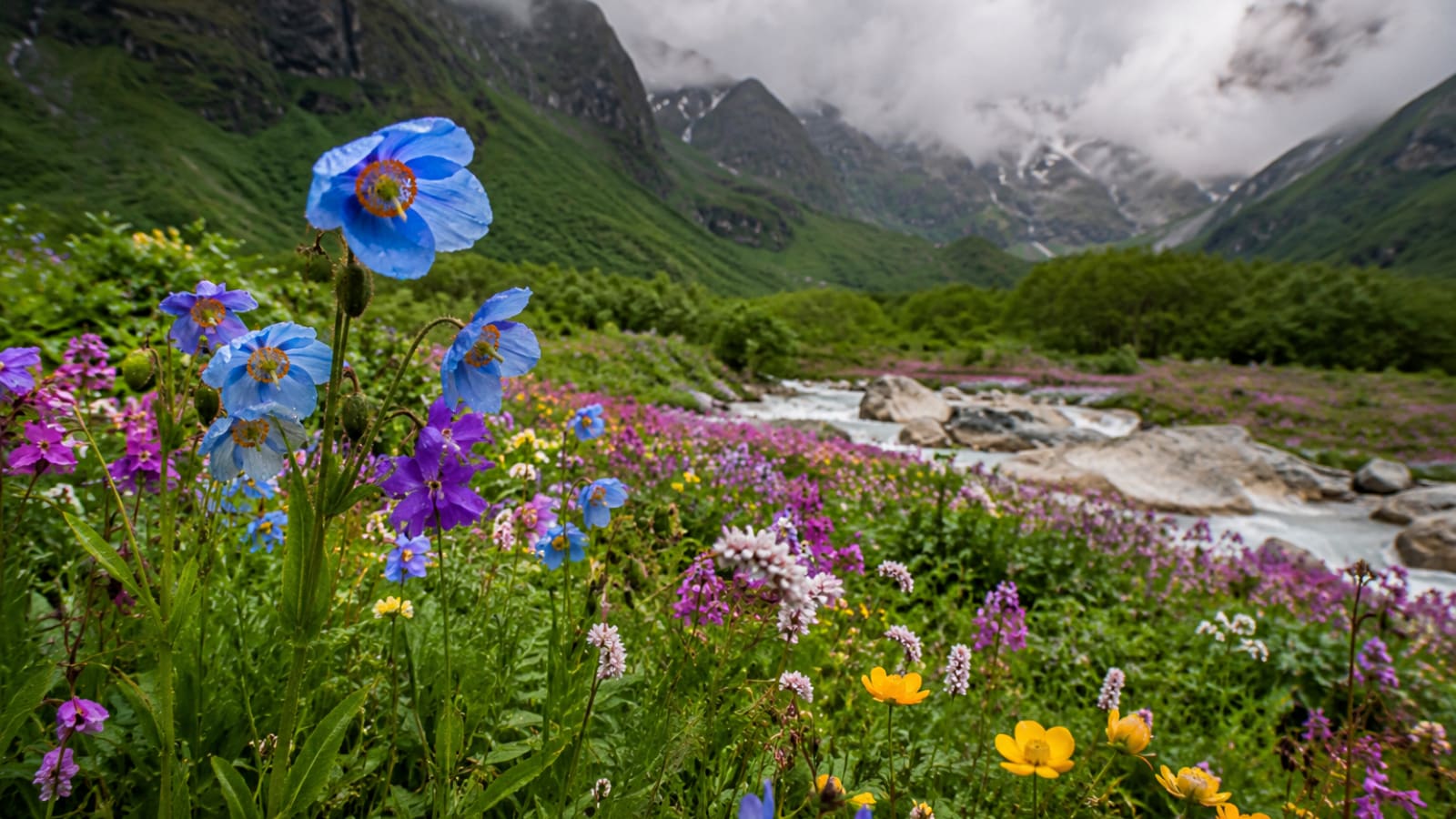
The Valley of Flowers National Park in Uttarakhand has opened for the monsoon season, showcasing a vibrant display of Himalayan wildflowers. Trekkers can expect to see diverse flora, including the iconic Himalayan blue poppy, as the UNESCO site blooms through early September.
The Seasonal Awakening of the Valley of Flowers
The Valley of Flowers National Park, a prestigious UNESCO World Heritage Site located in the state of Uttarakhand, has officially reopened its gates to the public. As the monsoon season descends upon the Himalayas, the park undergoes a dramatic transformation, evolving from a dormant landscape into a vibrant, high-altitude meadow teeming with life. This seasonal phenomenon attracts a significant influx of trekkers and nature enthusiasts eager to witness one of India’s most spectacular natural displays.
Ecological Significance and Biodiversity
Spanning the period from July to early September, this window of opportunity is critical for the park's fragile ecosystem. The alpine meadows provide a crucial habitat for a vast array of Himalayan wildflowers that bloom exclusively during these months. The diversity of flora found within the park is not merely aesthetic; it represents a complex botanical network that has adapted to the harsh, high-altitude conditions of the Zanskar range. The timing of these blooms is a delicate dance with the monsoon rains, which provide the necessary moisture to sustain growth in the thin, rocky soil.
The Science of the Himalayan Blue Poppy
Among the various species that populate the valley, the Himalayan blue poppy stands out as a flagship botanical specimen. Its distinct sky-blue petals are a subject of significant interest for botanists and hikers alike. The intensity of its coloration is not arbitrary; rather, it is a fascinating result of environmental variables, specifically soil pH levels and the intensity of UV light exposure at high altitudes. This interaction highlights the intricate relationship between the flora and the extreme environmental conditions of the Himalayas.
A Hub for Sustainable Ecotourism
As a UNESCO World Heritage site, the Valley of Flowers serves as a focal point for sustainable ecotourism in India. The surge in visitors during the monsoon months necessitates a balance between human accessibility and the preservation of the delicate alpine environment. Trekking in this region requires an appreciation for the conservation efforts in place, as the park’s unique biodiversity is highly susceptible to human impact. Responsible tourism remains the primary mechanism for protecting this ecological treasure for future generations.
Looking Ahead: The Future of Alpine Treks
Predicting the flowering patterns has become an essential part of the visitor experience, as bloom cycles are highly dependent on the timing of the monsoon and temperature fluctuations. As climate patterns shift, the botanical composition of the valley may see changes, making ongoing observation and documentation by researchers and trekkers increasingly important. The Valley of Flowers remains a living laboratory, offering invaluable insights into the resilience of high-altitude ecosystems in the face of changing environmental conditions.