Empty Vande Bharat allowed to run 463km despite 'poor power brake'
Source Entity
DIPAK K DASH
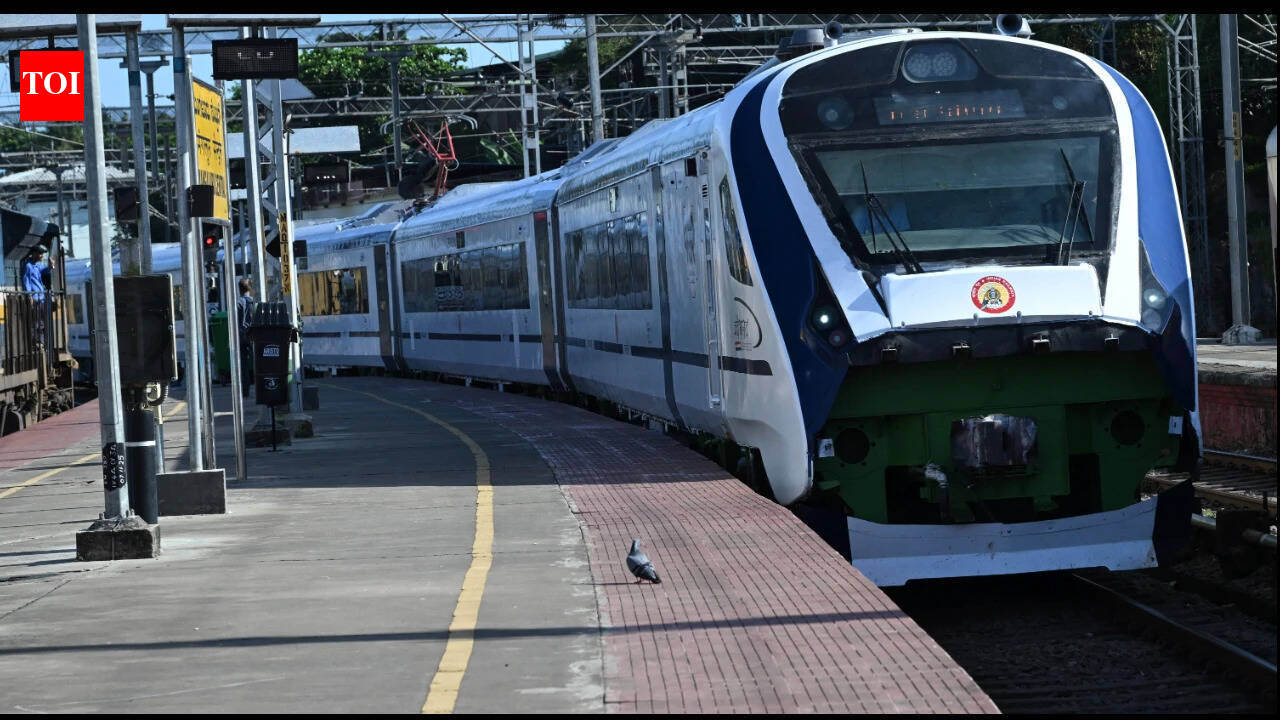
A Vande Bharat train traveled 463 kilometers despite reported power brake failures and isolated braking systems. The incident, caused by staff negligence, prompted an investigation by South Eastern Railway into the safety protocols of the high-speed rail network.
Critical Safety Breach in Vande Bharat Operations
A deeply concerning incident has come to light involving the Vande Bharat Express, a flagship high-speed rail service in India. On October 24, an empty train rake was permitted to travel a staggering 463 kilometers from Hatia, Jharkhand, to Deen Dayal Upadhyaya station in Uttar Pradesh, despite explicit warnings from the operating crew. Two loco pilots had formally reported "poor power brake" performance prior to the train's departure, signaling a significant failure in pre-departure safety protocols.
The Anatomy of a Technical Failure
Subsequent investigations into the incident revealed a systemic breakdown in maintenance and operational oversight. It was discovered that the brakes on every individual coach had been isolated. In railway engineering, isolating the brakes renders the braking system ineffective, leading to a "non-application of joint brakes." This meant that the train was essentially operating without the necessary stopping power required to ensure safety, transforming a high-speed asset into a dangerous, uncontrolled object on the tracks.
Negligence and Operational Protocols
The South Eastern Railway’s internal documentation confirms that this was not merely a mechanical malfunction, but a result of human error and staff negligence. The failure to properly integrate the braking systems before the train left the yard indicates a lapse in the standard operating procedures that govern the Vande Bharat fleet. Such oversights are particularly alarming given the high-speed nature of these trains, which require rigorous adherence to safety checks to prevent catastrophic derailments or collisions.
Broader Implications for Rail Safety
The fact that this train traversed over 400 kilometers while effectively crippled poses severe questions regarding the monitoring of empty rakes. While the train was not carrying passengers at the time, the incident occurred on an active rail corridor, posing a significant threat to other passenger services operating on the same lines. This event highlights a potential "normalization of deviance" where warnings from loco pilots regarding brake performance may have been overlooked or inadequately addressed by ground staff.
Moving Toward Accountability
In response to the incident, the South Eastern Railway issued an order on November 7 directing the Ranchi divisional railway manager to conduct a formal investigation. The goal is to ascertain the specific chain of command failures that allowed the train to depart. Moving forward, the Indian Railways must prioritize the automation of pre-departure safety verification to ensure that no train can move unless all critical systems, especially braking, are confirmed as operational. This incident serves as a stark reminder that as India accelerates its rail modernization, the safety infrastructure must evolve at an equal, if not faster, pace.