'India's Got Latent' Gambit? Behind Vantika's double bronze at Chess Olympiad
Source Entity
JYOTIRMOY HALDER
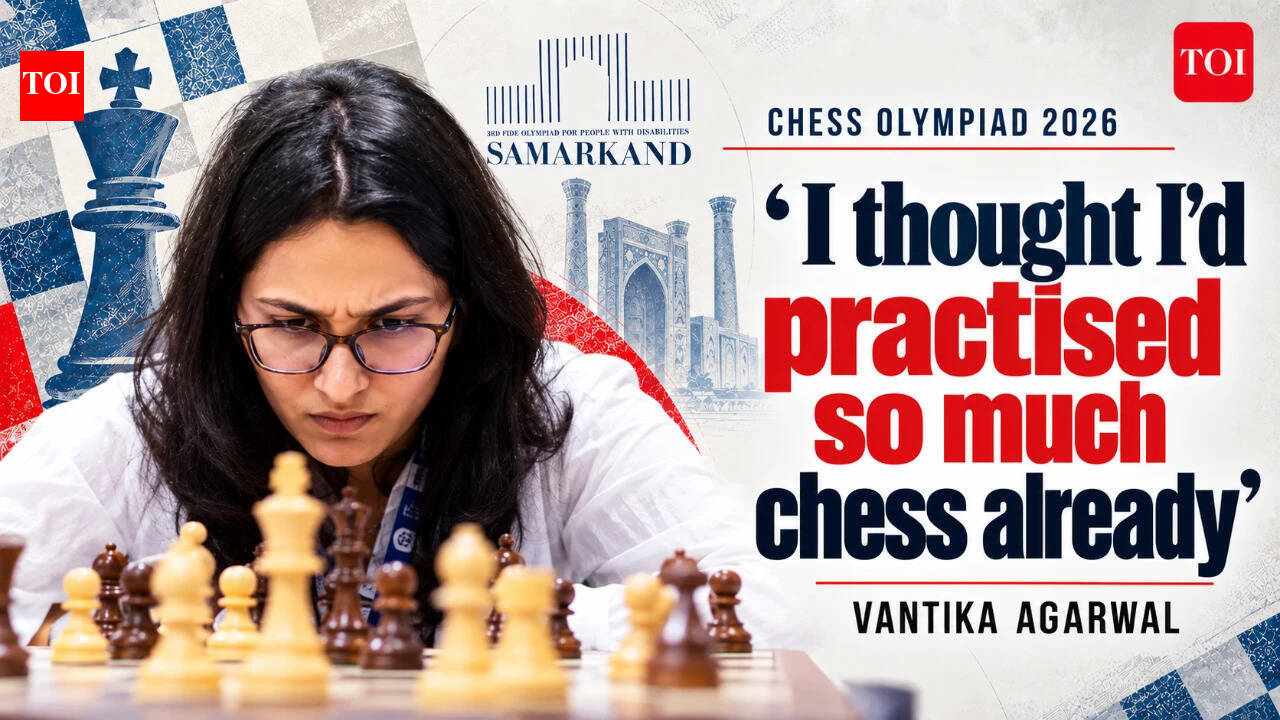
Vantika Agrawal reflects on India's bronze-medal performance at the Chess Olympiad in Samarkand. She discusses overcoming team setbacks and her personal ambition to transition into the elite chess circuit.
The Ascent of Vantika Agrawal: A Deep Dive into India's Chess Renaissance
Overcoming Adversity on the Global Stage
The recent performance of the Indian women's chess team at the Chess Olympiad in Samarkand stands as a testament to the nation's burgeoning talent pool. Vantika Agrawal, a pivotal member of this campaign, has provided an intimate look into the grueling nature of top-tier international competition. Despite facing significant hurdles, including high-stakes losses against formidable opponents like Poland and China, the team displayed remarkable resilience. This grit under pressure underscores a shift in Indian chess culture, where collective mental fortitude is increasingly matching raw tactical ability.
The Anatomy of a Bronze Campaign
For Agrawal, the tournament was defined by both team success and personal milestones. Her individual bronze medal is not merely a piece of hardware; it represents the culmination of years of preparation despite limited exposure to the world’s most elite tournament circuits. By holding her own against legends of the game, such as US chess icon Irina Krush, Agrawal has proven that the gap between rising stars and established grandmasters is narrowing. This performance serves as a blueprint for how upcoming Indian players can navigate the psychological and technical demands of the Olympiad format.
Bridging the Gap to the Elite Circuit
Agrawal’s candid reflections highlight a recurring challenge for many Indian chess players: the transition from domestic prominence to consistent international elite-level participation. While the Olympiad provides a platform, the path forward requires sustained investment, high-level coaching, and frequent exposure to top-tier grandmaster events. Her ambition to break into the top circuit is symbolic of a broader movement within Indian chess, where players are no longer content with regional dominance and are actively seeking to challenge the global hierarchy.
Strategic Resilience and Team Dynamics
One of the most compelling aspects of the Samarkand campaign was the team's ability to bounce back from difficult rounds. In chess, where a single oversight can lead to a cascade of losses, maintaining team morale after a defeat to China or Poland is vital. Agrawal’s narrative suggests that the team’s success was built on a foundation of mutual support and a shared commitment to the long-term vision. This collaborative spirit is increasingly defining modern Indian team sports, moving away from individual brilliance toward a more structured, team-oriented success model.
Future Trajectories: Looking Toward 2027
As Agrawal shifts her focus to future goals, including the 2027 cycle, the broader implications for the sport in India are clear. The country is currently experiencing a ‘golden era’ in chess, fueled by a new generation of players who are aggressive, tech-savvy, and deeply competitive. The focus now shifts to how these athletes will sustain their momentum. The lessons learned in Samarkand—specifically the need for adaptability and the importance of resilience—will likely form the core of the Indian strategy as they prepare for upcoming international challenges and strive to improve upon their bronze-medal success.