‘My car stands like a prisoner’: In Goa village, a railway line cuts off homes
Source Entity
Pavneet Singh Chadha
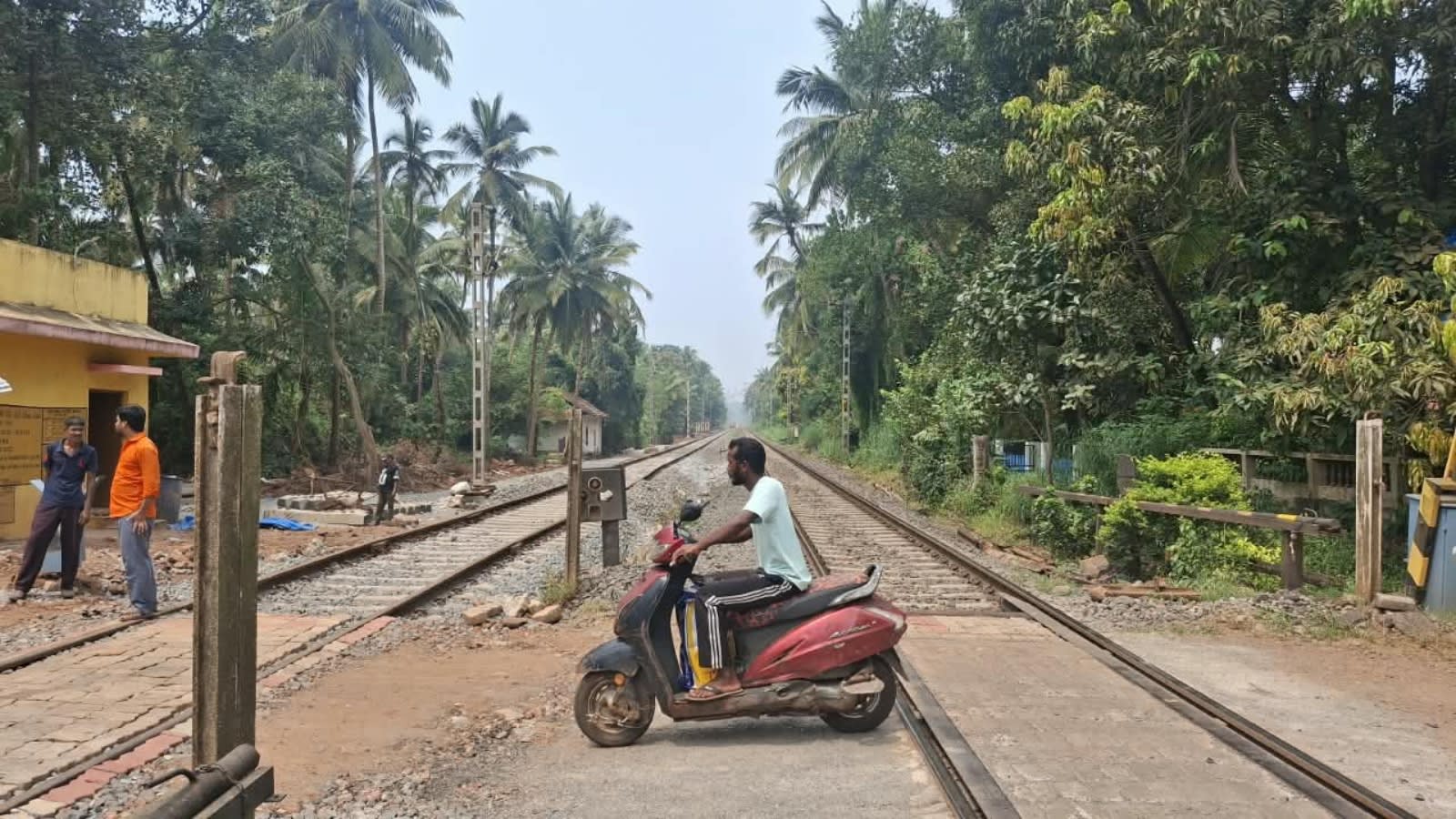
Residents in Velsao, Goa, are facing severe mobility issues after a railway double-tracking project blocked their traditional access roads. The construction debris has left historic homes land-locked, raising urgent concerns regarding emergency vehicle access and property rights.
The Velsao Crisis: Infrastructure vs. Heritage
The ongoing railway double-tracking project in Velsao, South Goa, has sparked a significant conflict between large-scale infrastructure development and the rights of local residents. Sandra Rodrigues, a resident of a 400-year-old ancestral home, reports that her family has been effectively 'land-locked' due to the activities of the South Western Railway (SWR) contractors. The project, intended to increase rail capacity, has resulted in the dumping of soil and construction debris that has obstructed traditional motorable access routes, including Level Crossing 26.
Historical Context and Modern Disruption
It is critical to note that the heritage homes in this region predate the arrival of the railways in the late 19th century. These structures were designed around existing pathways and community access points that have functioned for centuries. The current imposition of modern rail infrastructure has disrupted this historical balance, creating a situation where long-standing residential rights are being sidelined by industrial-scale construction projects that fail to account for local connectivity.
The Human Cost of Development
For residents like Rodrigues, the impact is not merely an inconvenience but a fundamental loss of autonomy. By blocking the primary access road, the construction has forced residents to trespass on neighboring properties simply to exit their own homes. This creates a precarious social and legal environment, as long-term neighbors are forced into disputes over land usage necessitated by the railway's obstruction of their right of way.
Emergency Access and Public Safety
The most alarming implication of this situation is the complete severance of vehicular access for emergency services. With debris blocking the roads, ambulances and fire tenders are unable to reach these heritage properties in the event of a crisis. This poses a direct threat to the safety and well-being of the inhabitants, transforming their homes into isolated pockets where basic public services are no longer accessible.
Broader Implications and Future Trends
This situation in Mormugao taluka serves as a microcosm for the larger tension between national developmental goals and local environmental and social preservation in Goa. As India pushes for rapid expansion of its railway network, the lack of coordination with local topography and existing residential infrastructure will likely continue to incite public outcry. Unless regulatory bodies mandate that contractors maintain access for residents during construction, incidents like the Velsao blockade will likely become a recurring flashpoint in the region's development discourse.
Conclusion
The case of Velsao highlights a failure in project planning that prioritizes logistical expediency over the fundamental rights of citizens. The SWR's actions have effectively rendered residents prisoners in their own homes, necessitating an urgent review of the construction protocols in South Goa to ensure that progress does not come at the cost of basic human safety and mobility.