India’s ONGC Targets Tenfold Oil Output Boost in Venezuela
Source Entity
Yahoo Finance
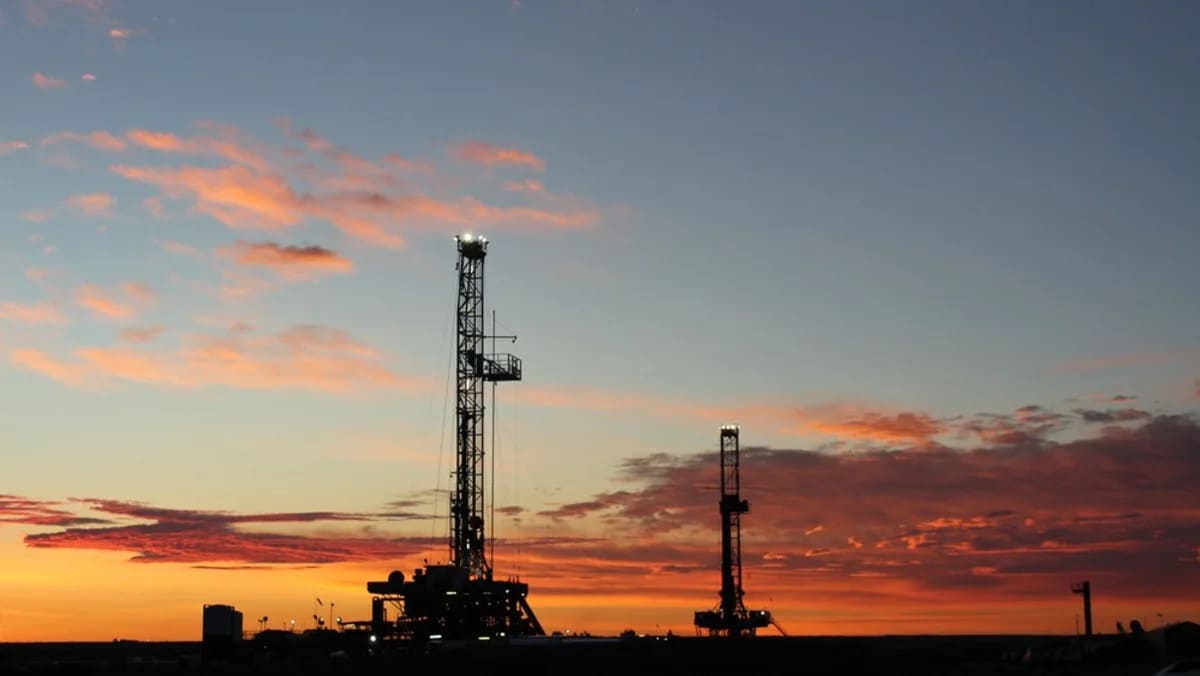
Despite the U.S. removing Nicolas Maduro, major American oil firms remain hesitant to re-enter Venezuela's oil sector. Meanwhile, India's ONGC is moving forward with a $200 million investment to revive production at the San Cristobal oilfield.
The Slow Restoration of Venezuelan Energy Production
More than six months after the United States government orchestrated the extraction of Nicolas Maduro from Venezuela, the anticipated surge in American corporate investment into the nation's massive oil reserves has failed to materialize at the expected scale. While the Biden administration initially projected a rapid revitalization of the Venezuelan energy sector, the reality on the ground remains marked by extreme caution. Major industry players like ExxonMobil and ConocoPhillips have refrained from re-engaging with PDVSA, the state-owned oil firm, largely due to lingering geopolitical risks and the slow pace of negotiations.
The Divergence of U.S. Corporate Strategy
Currently, Chevron stands as the primary outlier among American firms, having maintained a continuous, albeit constrained, presence in Venezuela throughout the Maduro era. While Chevron continues to extract and export oil to the United States under specific operational frameworks, other major Western energy giants are exhibiting significant reticence. The vacuum left by these giants is being partially filled by smaller service providers and niche American energy firms, which appear more willing to assume the high-risk profile associated with the current transitional landscape in Venezuela.
India’s Strategic Pivot and Investment
While American majors hesitate, the Indian state-owned Oil and Natural Gas Corporation (ONGC) has moved to capitalize on the shifting environment. Through its overseas unit, ONGC Videsh Ltd (OVL), the company has announced a $200 million investment plan aimed specifically at the San Cristobal oilfield. Having recently secured the necessary license from the U.S. Office of Foreign Assets Control (OFAC), India is positioning itself to reclaim and expand its footprint in a region where it holds a 40% stake in the San Cristobal project and an 11% interest in the Carabobo project.
Challenges to Operational Recovery
The path to restoring Venezuela's production capacity is fraught with structural and administrative hurdles. Years of underinvestment and the previous restrictive sanctions regime have left the country's oil infrastructure in a state of severe degradation. For firms like ONGC, the challenge is not just the capital injection, but the physical restoration of fields that have been dormant or severely under-utilized. Negotiating with PDVSA remains a complex endeavor, as the state firm attempts to balance its own fiscal desperation with the rigid demands of international partners seeking operational security.
Future Trends in Global Energy Geopolitics
Looking ahead, the disparity between the cautious American approach and the aggressive entry of state-backed entities from nations like India suggests a fragmented recovery for Venezuela. If the U.S. administration cannot incentivize its own major firms to return, it may find that Venezuela’s oil output is eventually redirected toward Asian markets, fundamentally altering the intended energy security benefits originally envisioned when the transition began. The success of the San Cristobal project will likely serve as a litmus test for whether foreign investors can navigate the current regulatory and operational volatility in post-Maduro Venezuela.