Keyboards of The Verge
Source Entity
Nathan Edwards
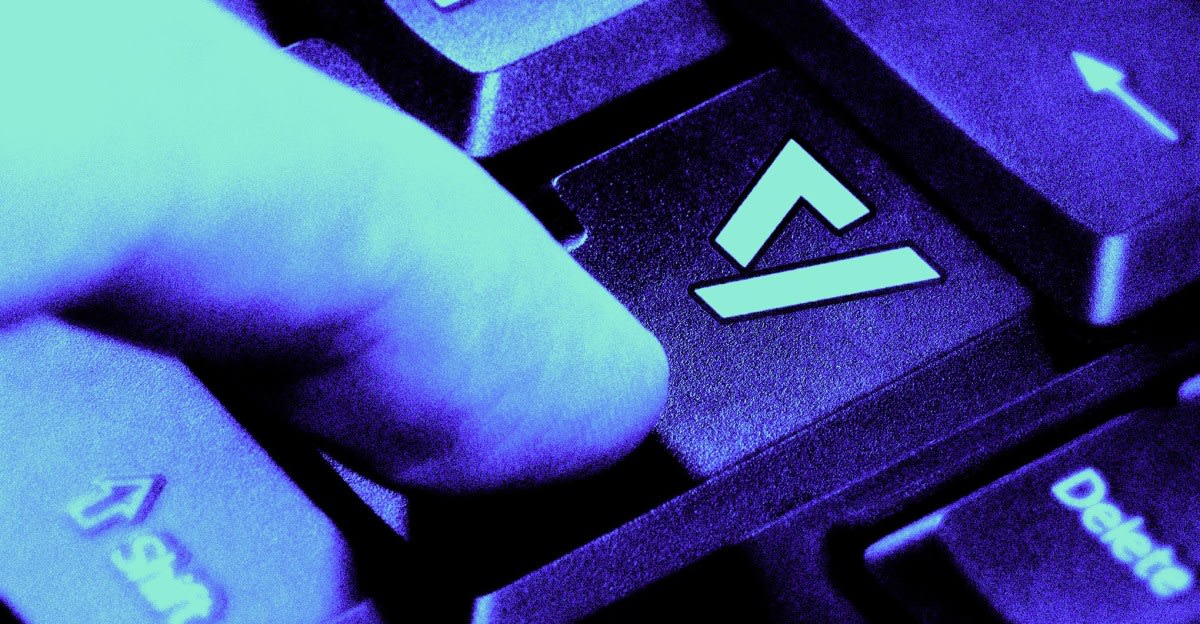
The Verge explores the diverse keyboard preferences of its staff, highlighting a mix of utilitarian, ergonomic, and enthusiast-driven choices. Brands like NuPhy, Keychron, and Apple remain top picks for modern computing workflows.
The Enduring Significance of the Keyboard
While the tech industry frequently pivots toward touchscreens, voice recognition, and generative AI, the keyboard remains the primary bridge between human thought and digital output. As noted in the recent survey of The Verge staff, the keyboard functions as the original brain-computer interface (BCI), serving as the essential tool for those who spend their lives translating abstract ideas into structured data.
A Spectrum of Preference
The landscape of modern typing devices is remarkably broad, ranging from mass-market peripherals to hyper-specialized mechanical boards. The staff analysis reveals a dichotomy between the strictly utilitarian user—who prioritizes ergonomics and efficiency to prevent repetitive strain—and the enthusiast who obsesses over the acoustics, tactile feedback, and aesthetic design of their hardware. This divide represents the broader consumer electronics market, where functionality often clashes with personal expression.
Dominant Players in the Current Market
According to the gathered insights, specific brands have established a dominant foothold in professional workflows. NuPhy and Keychron have emerged as favorites, likely due to their balance of mechanical performance, wireless connectivity, and customizable layouts that appeal to both casual users and hobbyists. Meanwhile, the Apple Magic Keyboard maintains its status as a reliable standard for those integrated into the macOS ecosystem, proving that sleek, low-profile design still holds significant weight for many professionals.
The Intersection of Form and Function
Historically, the market has seen everything from the experimental Optimus Maximus to the ultra-luxe Seneca, demonstrating that keyboard design is a field ripe for innovation. Today’s trends suggest that users are less concerned with gimmicks and more focused on the 'feel' of the typing experience. The shift toward mechanical switches and hot-swappable boards indicates that the modern computer user values longevity and tactile satisfaction over disposable, cheap membrane alternatives.
Future Trends in Input Devices
Looking ahead, we can expect the keyboard to remain a central pillar of computing despite the rise of alternative interfaces. As professional work becomes increasingly digital, the demand for ergonomic customization will likely grow. The 'enlightened' approach—simply using whatever is available—may persist for the casual user, but the power user’s obsession with layout and switch type will continue to drive the growth of the premium mechanical keyboard market.
Conclusion
Ultimately, the keyboard is far more than a peripheral; it is an extension of the professional's workflow. Whether one prefers the tactile weight of a mechanical switch or the minimalist profile of an Apple board, the choice of hardware reflects an individual's unique relationship with their digital tasks. As these surveys demonstrate, while technology evolves, the physical act of typing remains the most reliable way to get information out of our heads and into the machine.