Vijay Singh to continue on board of Sir Dorabji Tata Trust, 6 smaller trusts
Source Entity
George Mathew
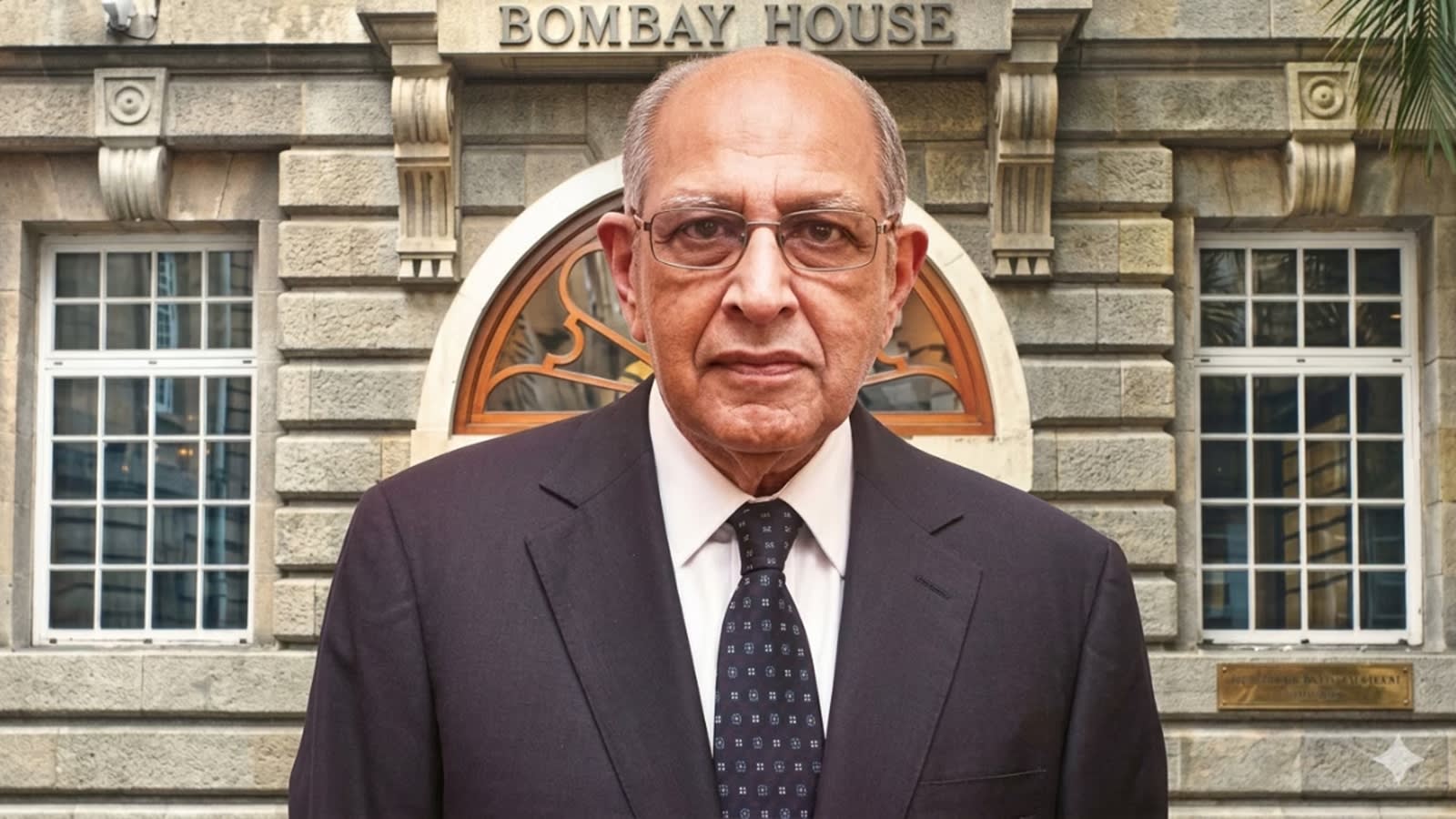
Vijay Singh, Vice Chairman of Tata Trusts, is stepping down from the Sir Ratan Tata Trust board this August. However, he will maintain his roles at the Sir Dorabji Tata Trust and six other smaller trusts for at least another year.
Leadership Transition Within Tata Trusts
Recent reports confirm a significant shift in the governance structure of the Tata Trusts as Vijay Singh, the Vice Chairman, prepares to step down from the board of the Sir Ratan Tata Trust (SRTT). This change, set to take effect upon the conclusion of his current tenure on August 14, marks a strategic transition for one of India's most influential philanthropic organizations. While Singh has explicitly chosen not to seek another term for the SRTT, his continued involvement in other capacities ensures a degree of continuity during this period of adjustment.
Maintaining Institutional Stability
Despite his departure from the SRTT board, Singh’s commitment to the broader Tata philanthropic ecosystem remains evident. He is slated to continue his service as a trustee of the Sir Dorabji Tata Trust (SDTT) until July 2027, alongside his responsibilities for six other smaller trusts. By staggering his departures, the trusts appear to be prioritizing institutional stability, allowing for a phased transition of leadership duties rather than an abrupt shift in governance.
Understanding the Role of Tata Trusts
The Tata Trusts are the principal shareholders of Tata Sons, the holding company for the Tata Group. Consequently, the composition of these boards is of immense importance, not just for the philanthropic initiatives they fund—such as those in healthcare, education, and rural development—but also for the governance of the conglomerate itself. Vijay Singh’s role as Vice Chairman places him at the heart of these decision-making processes, making his tenure and subsequent departure a focal point for stakeholders interested in the group’s long-term strategic direction.
Strategic Governance and Tenure Management
The decision to step away from the SRTT while maintaining roles in the SDTT and smaller trusts reflects a deliberate governance strategy. By retaining his position in the SDTT for at least another year, Singh provides a bridge for the organization. This approach is common in large, multi-entity trusts where deep institutional knowledge is required to navigate complex legacy projects and ongoing philanthropic commitments that often span decades.
Future Outlook and Implications
As the Tata Trusts continue to evolve, the departure of senior trustees like Singh suggests a natural cycle of renewal within the board. The upcoming year will be critical as the trusts manage the transition and define the future oversight of their diverse interests. The focus will likely remain on maintaining the efficacy of their social programs while ensuring that the leadership remains aligned with the enduring values and objectives established by the trust founders.
Conclusion
In summary, the transition of Vijay Singh from the SRTT board represents a calculated change in the leadership landscape of the Tata Trusts. By continuing his service with the SDTT and other entities, Singh ensures that his experience remains accessible as the organization transitions into its next chapter. This orderly handover highlights the robust governance framework that defines the Tata philanthropic mission.