Rocket Report: India's Vikram-1 nears debut flight; AST to become rocket company?
Source Entity
Eric Berger
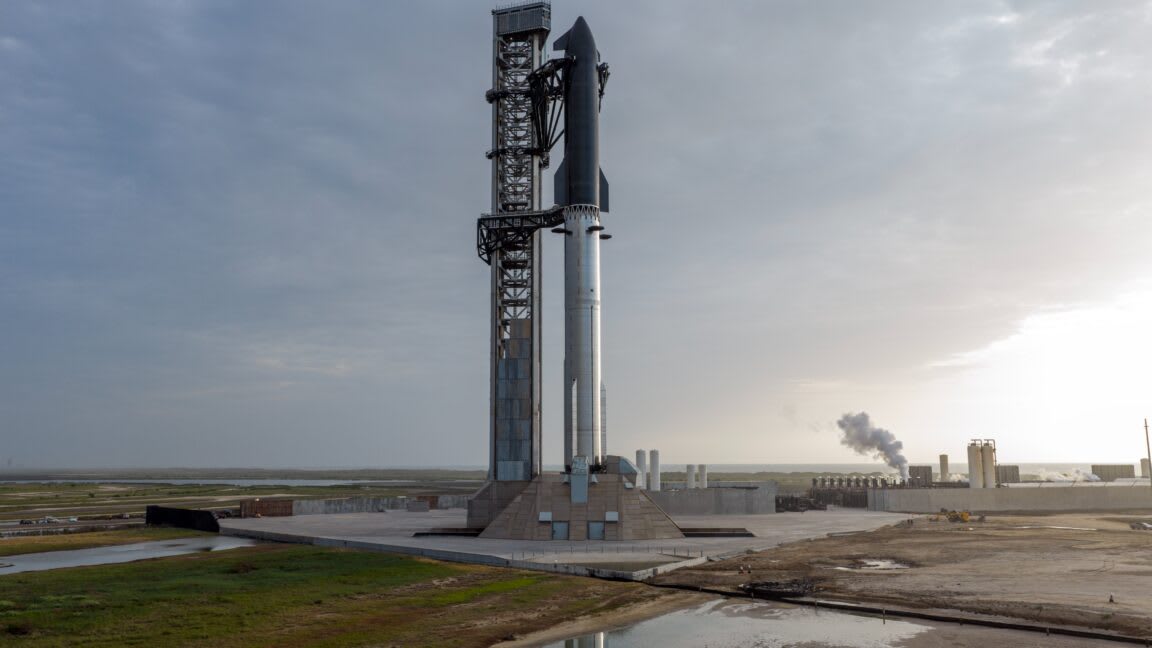
India's Skyroot Aerospace is nearing the debut flight of its Vikram-1 rocket following extensive ground testing. Meanwhile, SpaceX faced a brief scrub of its Starship launch due to engine ignition issues.
The Rapid Evolution of Private Spaceflight
The global aerospace sector is currently undergoing a transformative shift as private enterprises push the boundaries of orbital access. Recent reports highlight two pivotal developments: the preparation for the debut flight of India's Vikram-1 rocket and the ongoing technical challenges faced by SpaceX with its Starship vehicle. These events underscore the high-stakes nature of modern rocketry, where rigorous testing protocols are essential to mitigate the immense risks associated with orbital launch operations.
Skyroot Aerospace and the Vikram-1 Milestone
India’s private space sector, led by companies like Skyroot Aerospace, has reached a critical juncture with the Vikram-1 rocket. Having completed exhaustive ground testing, the company is now positioning itself for its maiden flight. This milestone represents a significant advancement for India’s burgeoning space economy, signaling a move toward greater commercial autonomy and the ability to launch small-to-medium payloads into orbit with increased frequency and lower costs.
The Engineering Challenges of Starship
Simultaneously, SpaceX continues to refine its heavy-lift capabilities, as evidenced by a recent countdown attempt for Starship that was halted at T-0 due to engine ignition failures. The decision to scrub the launch, while frustrating for observers, reflects a mature approach to safety in aerospace engineering. Choosing to delay rather than risk a flight anomaly is a hallmark of an industry that is increasingly prioritizing long-term vehicle reliability over short-term milestones.
Ground Testing vs. Flight Reality
For both Skyroot and SpaceX, the transition from ground-based simulations to the unforgiving environment of a launch pad is the ultimate test of engineering. The statement that "everything that could be done to test Vikram-1 on ground" has been completed highlights the exhaustive verification processes required to ensure structural and electrical integrity. However, as seen with SpaceX, even the most comprehensive ground tests cannot always predict the complex interactions of cryogenic propellants and high-performance engines during the final seconds of a countdown.
Broader Implications for Global Launch Markets
The convergence of these events illustrates a competitive global landscape where both established players and new entrants are racing to capture a share of the satellite deployment market. The successful debut of Vikram-1 would not only validate Skyroot’s design philosophy but also cement India’s reputation as a global hub for cost-effective, high-tech space solutions. As these companies refine their respective launch vehicles, the frequency of global orbital missions is expected to rise, potentially lowering barriers to entry for global telecommunications and Earth observation industries.
Looking Ahead
As the industry moves forward, the focus will remain on operational consistency. Whether it is the small-lift capabilities of Vikram-1 or the heavy-lift ambitions of Starship, the trend is clear: space is becoming more accessible. The coming months will be crucial for these companies as they translate successful ground-based milestones into reliable flight performance, ultimately shaping the infrastructure of the new space age.