Bomb-defusing robot to smart glasses: School students win Viksit Bharat Buildathon
Source Entity
Gayathri Mani
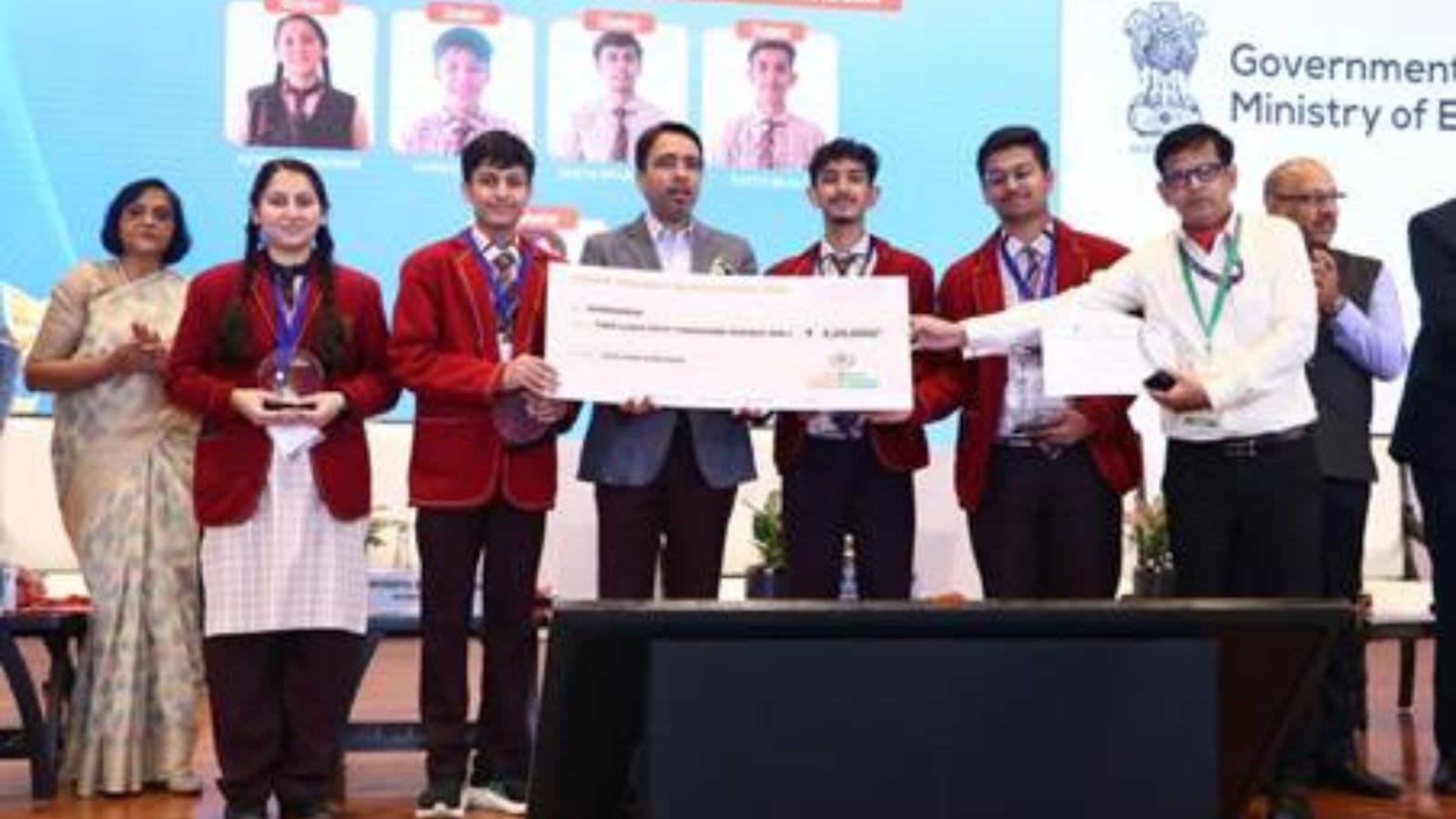
Students across India have been recognized as national winners at the Viksit Bharat Buildathon 2025 for developing innovative solutions like bomb-defusing robots and smart glasses. The initiative, supported by NITI Aayog and AICTE, aims to foster a culture of grassroots innovation among school-aged children.
Cultivating the Next Generation of Indian Innovators
The Viksit Bharat Buildathon 2025 has successfully spotlighted the immense potential of India’s young talent, showcasing a diverse array of technological solutions developed by school students from Classes 6 to 12. By focusing on practical, problem-solving inventions—ranging from a spider-shaped bomb-defusing robot to affordable bone-conduction smart glasses—the event has underscored a paradigm shift in how India approaches STEM education, moving away from rote learning toward tangible, real-world application.
A Collaborative Ecosystem for Innovation
This achievement is the result of a robust collaborative framework involving the Department of School Education and Literacy, the Atal Innovation Mission (AIM), NITI Aayog, and the All-India Council for Technical Education (AICTE). By aligning these high-level government bodies, the Buildathon provides a structured pathway for students to iterate on their ideas, receive institutional support, and gain national recognition. This cross-departmental synergy is essential for scaling grassroots innovation into viable, marketable prototypes.
Diversity in Problem Solving
The 10 national winners represent a broad geographic cross-section of India, including Assam, Tamil Nadu, Kerala, Uttar Pradesh, Madhya Pradesh, Jharkhand, and Gujarat. This geographic diversity is critical; it demonstrates that the spirit of innovation is not confined to major metropolitan tech hubs but is flourishing in diverse educational environments across the nation. The specific projects, such as the 'urban breathing pole' and the 'instant flask,' highlight a focus on addressing local environmental and daily living challenges through engineering.
Bridging the Gap Between Education and Industry
Union Minister of State for Education Jayant Chaudhary’s involvement in felicitating these winners signals the government’s commitment to integrating creative problem-solving into the national education agenda. By incentivizing students as young as those in Class 6 to engage in complex mechanical and electronic design, the program acts as a pipeline for future engineers and entrepreneurs. This early exposure is vital for sustaining India’s competitive edge in the global technology landscape.
Future Trends in Student-Led Tech
Looking ahead, the success of the Viksit Bharat Buildathon suggests that the future of Indian tech will be heavily influenced by low-cost, high-impact innovations. The focus on 'affordable' technology, as seen with the bone-conduction glasses, indicates that the next wave of indigenous development will likely prioritize accessibility and affordability. As these students continue their education, we can expect to see more of these prototypes refined into patentable products that could eventually address broader societal needs in security, public health, and urban sustainability.
Conclusion
The Viksit Bharat Buildathon 2025 stands as a testament to the success of India's recent push toward an innovation-led economy. By fostering a competitive yet collaborative environment, the initiative has not only celebrated individual ingenuity but has also set a precedent for how school-level education can actively contribute to the nation's technological progress. The continued support of these young inventors will be key to ensuring that these early sparks of creativity evolve into transformative solutions for the country.