Skip bathtub curtains, this vintage trick can make bathrooms look expensive
Source Entity
TOI LIFESTYLE DESK
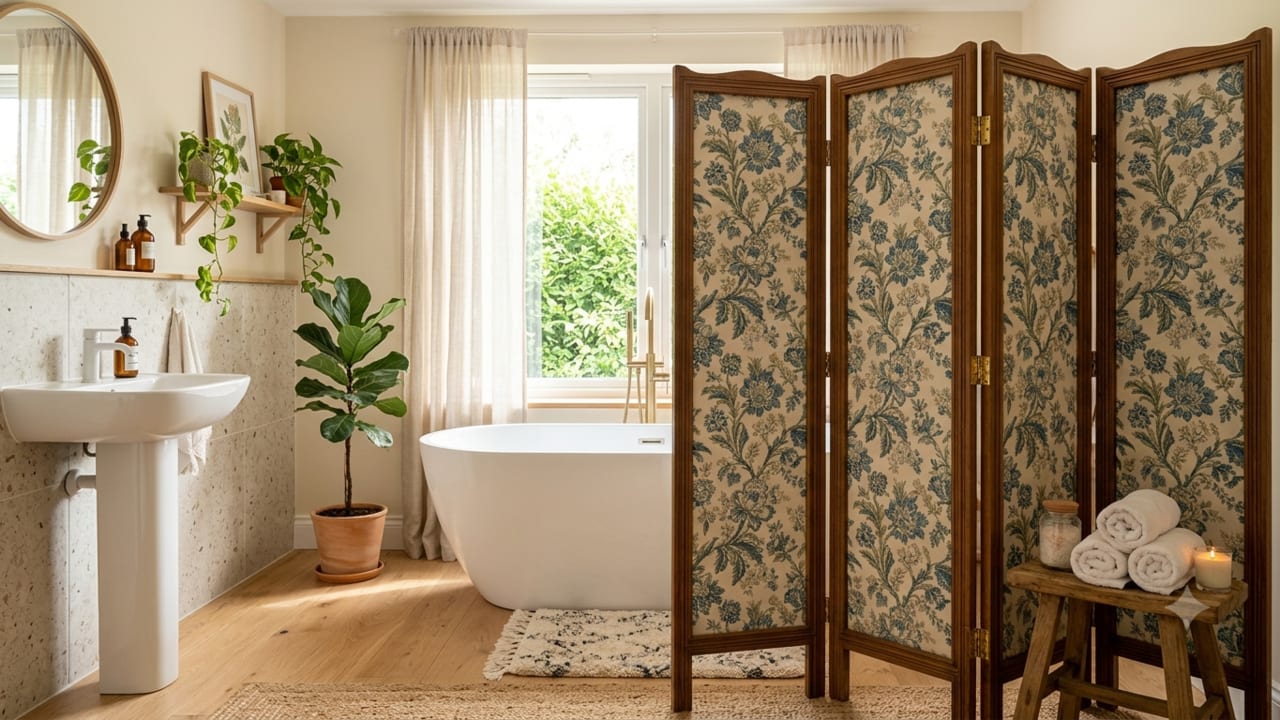
A rising interior design trend suggests replacing traditional bathtub curtains with vintage folding screens to achieve a high-end, sophisticated bathroom aesthetic. This approach emphasizes sustainability through thrift-store sourcing and the repurposing of historical room dividers, provided they are properly sealed against humidity.
Elevating Interior Aesthetics: The Shift Toward Vintage Bathroom Dividers
In the contemporary landscape of interior design, there is a growing movement away from mass-produced, utilitarian fixtures toward 'quiet luxury' and eclectic vintage aesthetics. The suggestion to replace standard bathtub curtains with folding screens is a prime example of this shift. By integrating furniture pieces that were originally intended as room dividers, homeowners can transform a purely functional space—the bathroom—into a curated sanctuary. This trend reflects a broader consumer desire for uniqueness and a rejection of the generic 'big-box store' look that has dominated residential design for decades.
Historical Roots and Cultural Significance
To understand the impact of folding screens in a modern bathroom, one must look at their historical origins. Folding screens originated in ancient China and later became highly refined in Japan (known as byōbu), where they served not only as physical barriers for privacy and wind protection but also as canvases for intricate art. By bringing these elements into the bathroom, the design choice transcends simple decoration; it introduces a sense of architectural history. The transition from a plastic or fabric curtain to a structural screen changes the visual weight of the room, moving the bathroom from a place of hygiene to a place of artistic expression.
The Economics of Sustainable Sourcing
One of the most compelling aspects of this design trend is its alignment with the circular economy. The recommendation to source these screens from thrift stores and flea markets highlights a pivot toward sustainable consumption. Rather than purchasing new, expensive luxury items, consumers are encouraged to hunt for second-hand treasures. This 'treasure hunting' aspect of home decor increases the emotional value of the space. Furthermore, the option to build one's own screen or repurpose an existing room divider encourages a DIY ethos that reduces waste and promotes the longevity of wooden materials that might otherwise be discarded.
Technical Challenges: Humidity and Preservation
While the aesthetic appeal is high, the practical application of wooden screens in a bathroom presents significant technical challenges. Bathrooms are high-humidity environments prone to steam and direct water splashes, which can lead to wood warping, rot, or mold growth. The critical recommendation to use sealants is not merely a suggestion but a necessity for the preservation of the piece. High-quality polyurethane or marine-grade sealants create a hydrophobic barrier that protects the organic fibers of the wood. This intersection of vintage art and modern chemical preservation is what allows such a delicate piece of furniture to survive in a wet environment.
Broader Implications for Home Value and Trends
From a real estate and business perspective, these small yet impactful design changes can significantly alter the perceived value of a home. 'Expensive-looking' interiors often rely on texture, scale, and the appearance of curated rarity. By replacing a common shower curtain with a structural vintage piece, the bathroom gains a 'boutique hotel' feel, which can increase the psychological appeal of a property to potential buyers. We can predict that as minimalism fades, it will be replaced by 'maximalist curation,' where homeowners mix historical artifacts with modern amenities to create a personalized narrative within their living spaces.
Conclusion
Replacing bathtub curtains with folding screens is more than a simple decor hack; it is a synthesis of historical appreciation, sustainable shopping, and strategic home improvement. While it requires careful maintenance and a keen eye for sourcing, the result is a space that feels intentional and luxurious. This trend underscores a wider cultural shift toward valuing the old and the repurposed, proving that sophistication in the home is often found in the unexpected application of vintage utility.