Despite Trump's backing, Vivek Ramaswamy can't curry favor with MAGA bros in Ohio
Source Entity
CHIDANAND RAJGHATTA
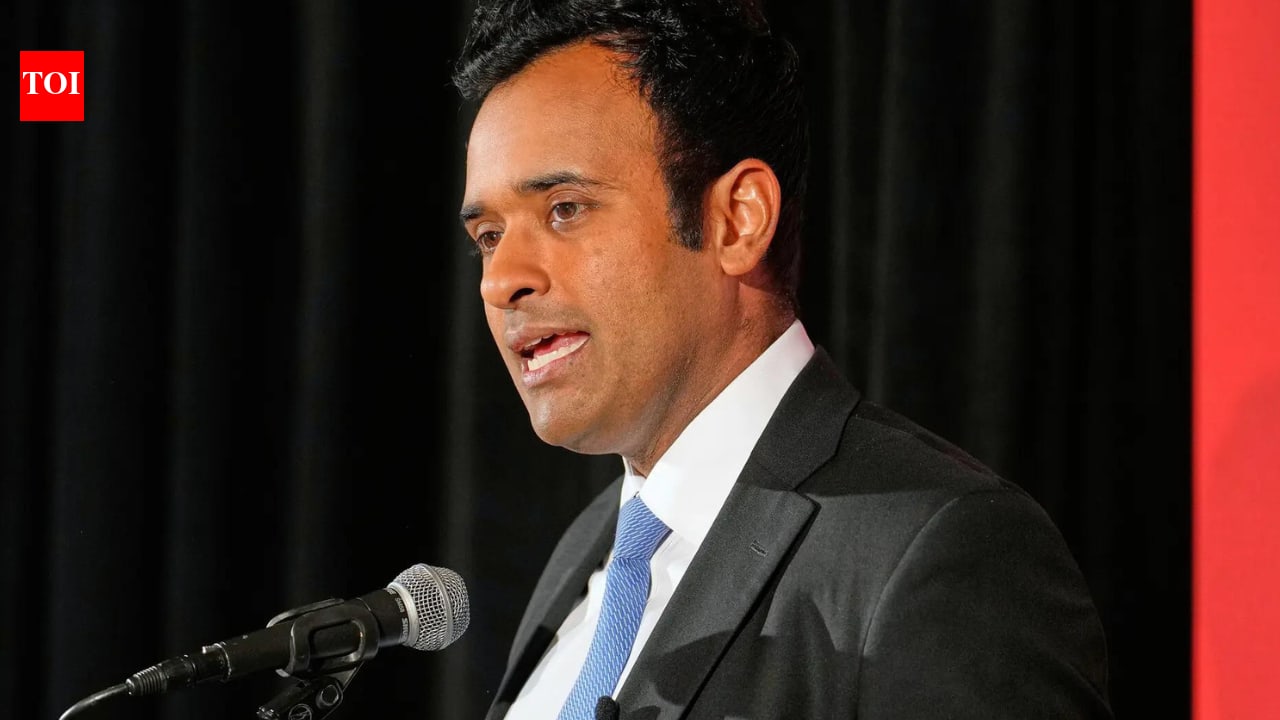
Vivek Ramaswamy is struggling to gain traction with Ohio's MAGA base despite receiving public support from Donald Trump. This resistance highlights the complex dynamics of loyalty and authenticity within the modern Republican electorate.
The Limits of Endorsement in Modern Conservatism
Recent political developments in Ohio have highlighted a fascinating disconnect between top-down political endorsements and the grassroots sentiment of the 'MAGA' movement. Despite securing the public backing of former President Donald Trump, Vivek Ramaswamy has found significant friction when attempting to convert that support into genuine favor among the populist base in Ohio. This phenomenon underscores a critical reality in contemporary American politics: the transition from a national figure's endorsement to local acceptance is rarely automatic.
The Dynamics of Grassroots Loyalty
The MAGA movement, defined by its populist fervor and skepticism of the political establishment, often operates on a unique set of criteria for authenticity. While Donald Trump remains the undisputed center of gravity for this demographic, his endorsements do not always function as a 'blank check' for his followers. In Ohio, Ramaswamy’s struggle suggests that the electorate is highly discerning, prioritizing perceived alignment with their specific populist grievances over adherence to a single leader's recommendation.
Analyzing the 'MAGA Bro' Demographic
The term 'MAGA bros' refers to a highly engaged segment of the Republican base that prioritizes aggressive cultural posturing and a specific brand of anti-establishment rhetoric. For these voters, the vetting process for a candidate is deeply personal and often skeptical of newcomers. Ramaswamy’s background as an entrepreneur and his relatively recent entry into the political sphere may be creating a perception gap, where his ideological messaging is not yet perceived as sufficiently 'battle-tested' by the standards of the local Ohio base.
Historical Context and Political Friction
Historically, the Republican Party has seen various instances where national party leaders have struggled to project their influence into local primaries or state-level dynamics. The current situation in Ohio reflects a broader trend of decentralized power within the right-wing ecosystem. Because the MAGA movement is built on individualistic, anti-elitist principles, it is inherently resistant to top-down orchestration, even when that orchestration comes from the movement's titular leader.
Broader Implications for Future Cycles
If Ramaswamy fails to bridge this gap, it could serve as a cautionary tale for future candidates who rely heavily on national endorsements to bypass the difficult work of local coalition building. The inability to translate Trump's approval into local support suggests that the MAGA electorate is becoming more sophisticated and potentially more independent in their decision-making processes. This could lead to a future where endorsements are viewed as mere suggestions rather than directives.
Conclusion
Ultimately, the situation in Ohio reveals the limitations of political capital in a volatile and highly factionalized environment. While Donald Trump’s influence remains unmatched, the case of Vivek Ramaswamy proves that local loyalty must be earned through consistent engagement and resonance with the specific values of the base. As the political landscape continues to evolve, the challenge for all candidates will be to prove their worth to an electorate that demands authentic, grassroots-aligned leadership above all else.