Ex-Met Police inspector lied about wife's death in Barbados hotel room, BBC learns
Source Entity
BBC News
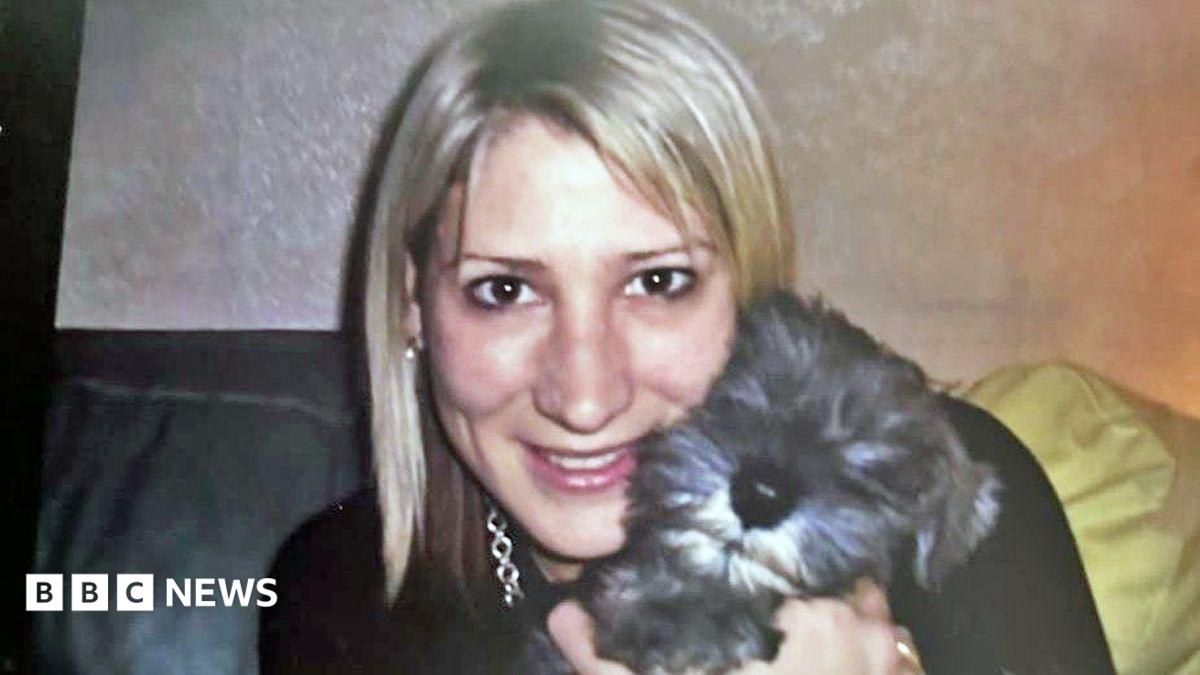
An inquest has cast doubt on the official cause of death for Rebekah Arter, whose husband, former Met Police inspector Warren Arter, is accused of sexual exploitation. UK authorities suggest deliberate obstruction of justice due to the mutilation of organs and failure to perform critical tests in Barbados.
A Tragic Mystery: The Death of Rebekah Arter
The death of Rebekah Arter in a Barbados hotel room has evolved from a tragic personal loss into a complex legal and diplomatic conundrum. Her husband, former Metropolitan Police inspector Warren Arter, has found himself at the center of intense scrutiny, not only due to the suspicious circumstances surrounding his wife's passing but also because of separate, serious allegations of sexual exploitation involving crime victims. The convergence of these two narratives has prompted a rigorous investigation by UK authorities, who are now questioning the procedural integrity of the initial inquiry conducted in Barbados.
Procedural Malpractice and Allegations of Concealment
Central to the inquest held in the UK is the disturbing revelation regarding the post-mortem examination performed in Barbados. Experts have testified that Rebekah’s organs were inexplicably "chopped up" into small pieces by a local pathologist, a procedure that served no legitimate medical purpose. This act effectively destroyed vital evidence, rendering subsequent forensic analysis significantly more difficult. UK pathologist reports indicate that standard toxicology and histology tests—essential for determining the presence of toxins, disease, or physical trauma—were never conducted, stripping the investigation of its scientific foundation.
Judicial Skepticism and the Coroner's Findings
Coroner Andrew Harris has been unequivocal in his assessment of the case. By officially rejecting the Barbadian authorities' conclusion of aspiration pneumonitis, Harris has highlighted a potential failure in the international legal process. His statement regarding "deliberate concealment or obstruction of further investigation" suggests that the mishandling of the body was not merely an act of incompetence, but potentially a calculated effort to prevent the truth from surfacing. The presence of blood-stained bedclothes, which local authorities attempted to dismiss as consistent with vomiting, remains a point of intense contention that requires further scrutiny.
Broader Implications for Cross-Border Investigations
This case highlights the precarious nature of international death investigations, where local forensic standards may differ wildly from those in the UK. When a citizen dies abroad, their family relies on the integrity of local law enforcement and medical examiners to provide closure. The obstruction of justice in this instance serves as a cautionary tale regarding the limitations of extraterritorial jurisdiction and the difficulties families face when seeking accountability across borders. The failure to conduct standard tests suggests a systemic breakdown that has left the Arter family without definitive answers.
The Shadow of Alleged Misconduct
Warren Arter’s background as a former Met Police officer adds a layer of systemic concern to the narrative. The concurrent claims regarding his alleged sexual exploitation of crime victims provide a troubling context to the inquest, suggesting that his professional history is deeply intertwined with his personal conduct. As the inquest continues to peel back the layers of this tragedy, the focus remains on whether the power dynamics inherent in his former role influenced his interactions with the legal system in Barbados or if he was a beneficiary of a botched investigation.
Future Trends and the Path to Justice
Moving forward, this case will likely serve as a catalyst for renewed discussions regarding the oversight of international forensic procedures. The inability to rely on the findings from Barbados has necessitated a long-term, arduous process of re-examining the evidence, which is inherently hampered by the initial destruction of organs. For the family of Rebekah Arter, the path to justice remains obstructed by the very systems meant to protect them. The ongoing developments serve as a stark reminder of the necessity for transparency and rigorous adherence to forensic protocols in all death investigations, regardless of the jurisdiction.