Senator Warren requests 2026 reporting for Trump’s crypto earnings after $1.4B disclosure
Source Entity
Cointelegraph by Turner Wright
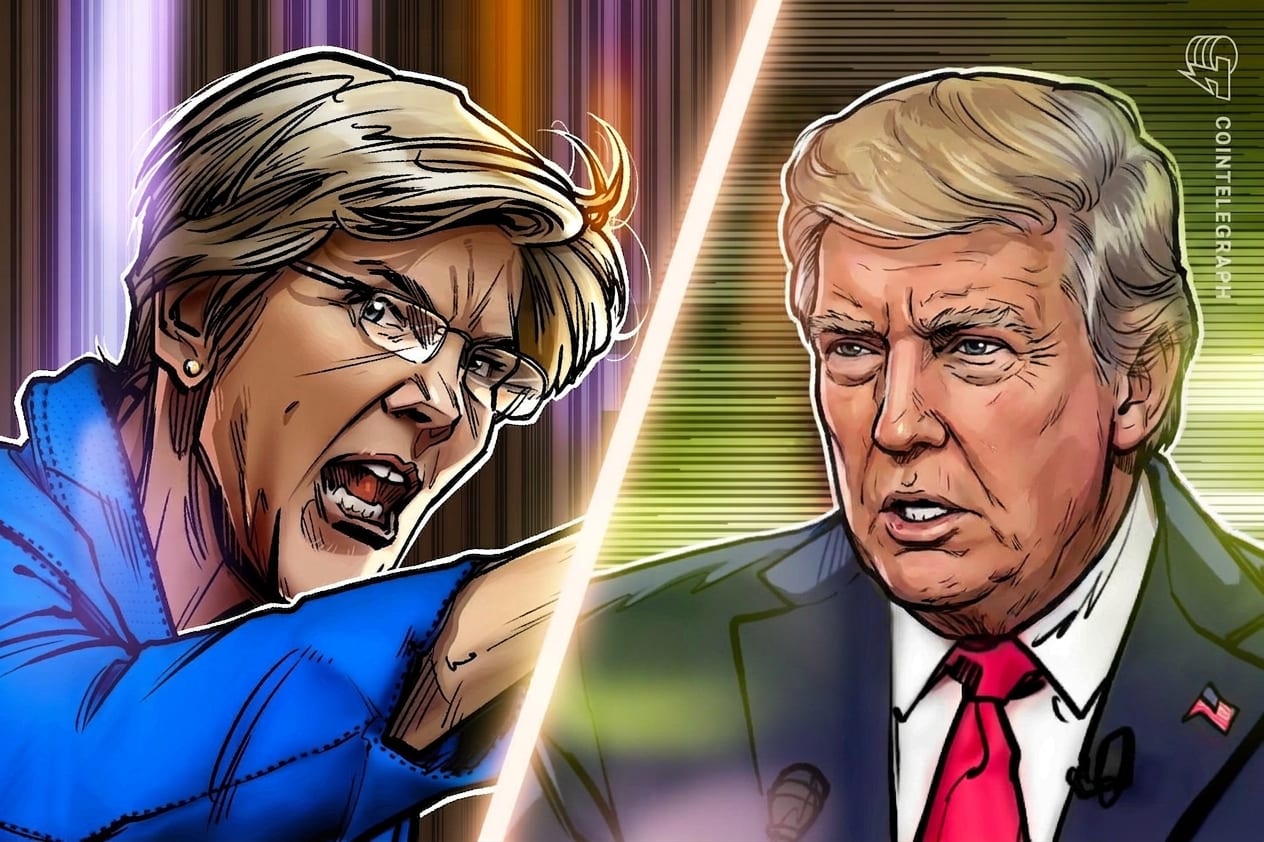
Senator Elizabeth Warren has requested that Donald Trump disclose his cryptocurrency earnings from early 2025 ahead of a looming Senate vote on crypto legislation. This push follows a $1.4 billion disclosure related to Trump's digital asset ventures.
Scrutinizing Presidential Crypto Holdings
Senator Elizabeth Warren has formally requested that President Donald Trump provide a detailed financial disclosure regarding his cryptocurrency earnings accrued between January 1 and July 15, 2025. This request, delivered via a letter on Thursday, arrives at a critical juncture as the U.S. Senate prepares to vote on significant cryptocurrency legislation within the coming days. By asking for this data before the statutory 2027 filing deadline, Warren is highlighting the urgent need for transparency regarding the intersection of high-level political influence and the volatile digital asset market.
The $1.4 Billion Disclosure Context
The impetus for this request stems from recent financial disclosures revealing that President Trump generated $1.4 billion in earnings from crypto-related ventures during 2025. These substantial gains, linked to projects such as the 'Official Trump (TRUMP)' memecoin and various family-led digital initiatives, have raised questions about potential conflicts of interest. For regulators and legislators, the scale of these earnings necessitates a clearer understanding of how presidential assets are managed, especially when those assets are tied to speculative markets currently under legislative review.
Legislative Tensions and Regulatory Oversight
Senator Warren has long maintained a critical stance toward the digital asset industry, frequently associating cryptocurrency with illicit financial activities, including money laundering and fraud. Her demand for transparency is not merely an inquiry into personal wealth but a strategic move to establish a precedent for ethical oversight in the digital age. As the Senate moves to finalize a crypto bill, Warren’s insistence on seeing Trump’s recent income data suggests she intends to use this information to inform the debate on how crypto-assets should be regulated at the federal level.
Implications for Future Policy
This request signals a broader trend toward stricter financial disclosure requirements for public officials involved in emerging technologies. As digital assets move from the periphery of finance to the center of political portfolios, the existing framework for reporting income—often designed for traditional stocks and bonds—appears increasingly inadequate. If lawmakers adopt more stringent reporting standards, it could reshape how future presidents and members of Congress manage their digital assets, potentially necessitating a move toward blind trusts or divestment to avoid the appearance of impropriety.
Analyzing the Timing of the Vote
The timing of Warren's request, coinciding with an imminent Senate vote on a major crypto bill, is highly significant. By pushing for this information now, she is effectively forcing a discussion on whether the current legislative proposals provide enough protection against the influence of crypto-wealth in governance. This move serves as a litmus test for the Senate's appetite for regulating the crypto industry, indicating that personal financial entanglements may become a central theme in future legislative battles surrounding financial innovation.
Conclusion
In summary, the demand for President Trump to clarify his 2025 crypto earnings underscores the growing friction between rapid technological adoption and the slow, deliberate pace of regulatory oversight. Whether or not these disclosures are provided voluntarily, the request itself ensures that the ethics of political involvement in the crypto market will remain a focal point of congressional debate. As the Senate prepares for its upcoming vote, the transparency of presidential finances will undoubtedly remain a critical component in shaping the future of U.S. financial policy.