Warsh's regime change at the Fed pushes ahead – and meets resistance
Source Entity
US Top News and Analysis
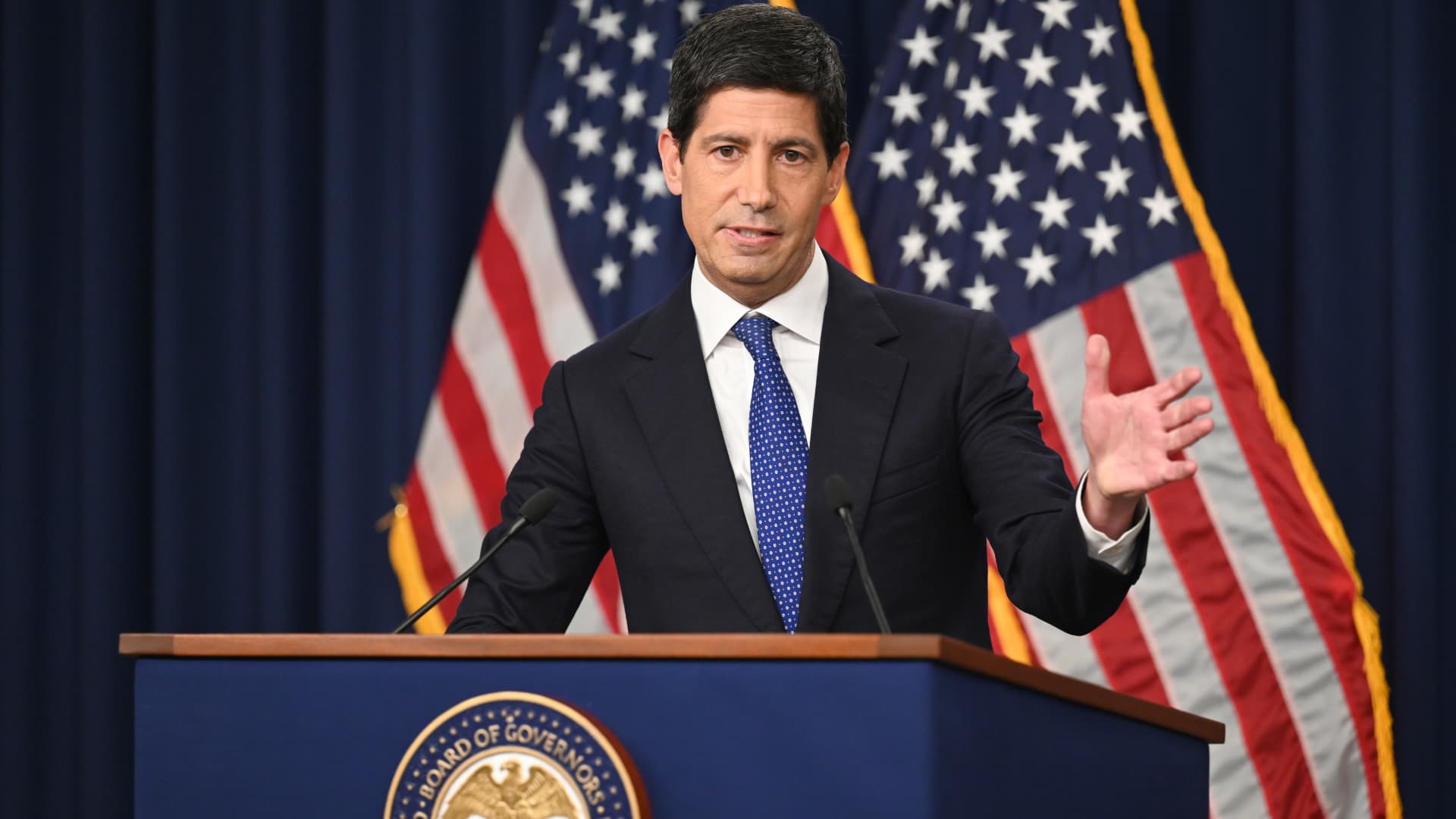
Federal Reserve Chairman Kevin Warsh is navigating a complex transition, balancing interest rate hikes to combat inflation with a cautious approach to balance sheet reduction. His early tenure reflects a concerted effort to assert institutional independence while establishing new, task-force-driven policy frameworks.
The Evolving Monetary Strategy of Kevin Warsh
Federal Reserve Chairman Kevin Warsh has initiated a transformative period for the U.S. central bank, marked by a clear break from recent policy stagnation. By overseeing a unanimous quarter-point interest rate increase—the first since 2023—Warsh has signaled a shift toward a more proactive monetary stance. This move serves as a critical indicator of his willingness to utilize traditional levers of economic control to address persistent inflationary pressures that have constrained the broader economy.
Asserting Institutional Independence
A primary narrative surrounding Warsh’s early tenure is the tension between the Federal Reserve's mandate and the political expectations of President Donald Trump. Skeptics previously questioned whether Warsh would maintain the necessary distance from the executive branch. However, the recent decision to raise rates has been widely interpreted as a deliberate effort to demonstrate the Fed's autonomy, prioritizing macroeconomic stability over external political pressure and signaling that the institution will follow data-driven outcomes rather than political cycles.
The Inflation-Balance Sheet Dilemma
Despite the urgency of his mandate, Warsh faces significant tactical constraints. While he has identified the reduction of the Fed's bloated balance sheet as a top priority, current economic conditions have forced a recalibration of his goals. Inflation remains the primary obstacle, necessitating a "higher-for-longer" approach that makes balance sheet contraction secondary to stabilizing the cost of living. This strategic pivot highlights the difficulty of managing a post-pandemic economy where multiple, often conflicting, indicators demand immediate attention.
Structural Reform through Task Forces
To institutionalize his vision, Warsh has appointed five distinct task forces to conduct a deep-dive audit of Federal Reserve practices. By deferring major operational changes until these groups report back early next year, Warsh is opting for a methodical, evidence-based approach rather than rapid, potentially destabilizing shifts. This strategy suggests a desire to build consensus within the Fed, ensuring that his "regime change" is supported by a comprehensive understanding of current institutional bottlenecks.
Future Outlook and Market Implications
Looking ahead, the market should anticipate continued volatility as the Fed maintains its hawkish bias. Warsh’s communication style—focused on market psychology and economic fundamentals—suggests that if inflation data does not show a clear downward trend, additional rate hikes are all but guaranteed. His ability to navigate these upcoming months will define his legacy and determine whether the Fed can successfully engineer a soft landing without triggering a deeper economic downturn.
Conclusion: A Calculated Transformation
Kevin Warsh’s initial steps as Fed Chair represent a calculated attempt to modernize the institution while navigating a hostile inflationary environment. By balancing the immediate need for interest rate adjustments with a long-term structural review of Fed operations, he is attempting to reshape the central bank into a more nimble and independent entity. The success of this transition will depend on his ability to maintain this equilibrium while managing the expectations of both the markets and the political establishment.