Show HN: Every satellite that passed over any place this week, and its photos
Source Entity
Hacker News
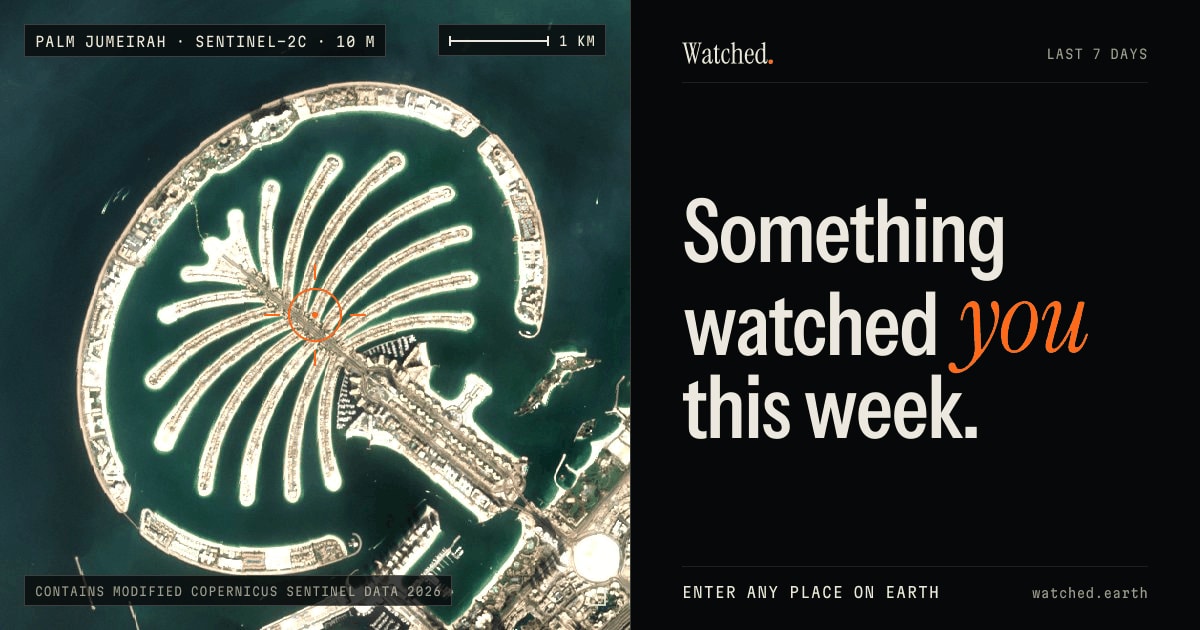
A new web tool named 'Watched' allows users to track satellite passes and view imagery for any global location. The platform utilizes browser-based WebGL and JavaScript to perform complex orbital calculations locally.
Exploring the 'Watched' Satellite Tracking Platform
A New Frontier for Open-Source Geospatial Data
The emergence of the 'Watched' project on Hacker News represents a significant shift in how everyday users interact with satellite telemetry. By enabling the visualization of every satellite that has passed over a specific coordinate within the last week, the tool democratizes access to orbital data that was previously reserved for specialized software or government agencies. This initiative highlights the growing trend of leveraging browser-based compute power to handle complex spatial datasets.
Technical Innovation: The Power of Local Compute
The core innovation of 'Watched' lies in its architectural choice to utilize JavaScript and WebGL to compute satellite passes directly within the user's browser. By shifting the processing burden away from a centralized server and onto the client-side device, the developers have created a scalable, responsive interface that avoids the latency issues common in traditional cloud-based GIS (Geographic Information System) applications. This approach not only reduces hosting costs but also enhances user privacy by keeping orbital calculations local.
Bridging the Gap Between Data and Visualization
Satellite imagery has become increasingly ubiquitous, yet the ability to track the specific hardware responsible for that imagery remains opaque to the public. 'Watched' bridges this gap by offering a transparent view of the overhead satellite traffic. By providing visual confirmation of passes, the tool offers a tangible connection to the vast network of orbital infrastructure currently circling the Earth, ranging from commercial imaging constellations to scientific research craft.
Broader Implications for Global Transparency
As the Low Earth Orbit (LEO) environment becomes more crowded, tools like 'Watched' serve a vital role in public awareness. The ability to verify which satellites are passing over specific regions at any given time has implications for everything from hobbyist astronomy to investigative journalism. It provides a foundational layer of transparency, allowing users to understand the constant stream of data capture occurring above their heads on a daily basis.
Future Trends in Orbital Monitoring
Looking forward, the success of projects like 'Watched' suggests a future where real-time orbital intelligence becomes a standard feature of web-based mapping services. As browser technologies like WebGPU continue to mature, we can expect even more sophisticated visualizations of satellite trajectories and sensor capabilities. This evolution will likely drive further interest in space situational awareness, empowering a new generation of users to engage with space-based technology as a standard part of their digital toolkit.