Waymo robotaxis are starting to return to freeways
Source Entity
Kirsten Korosec
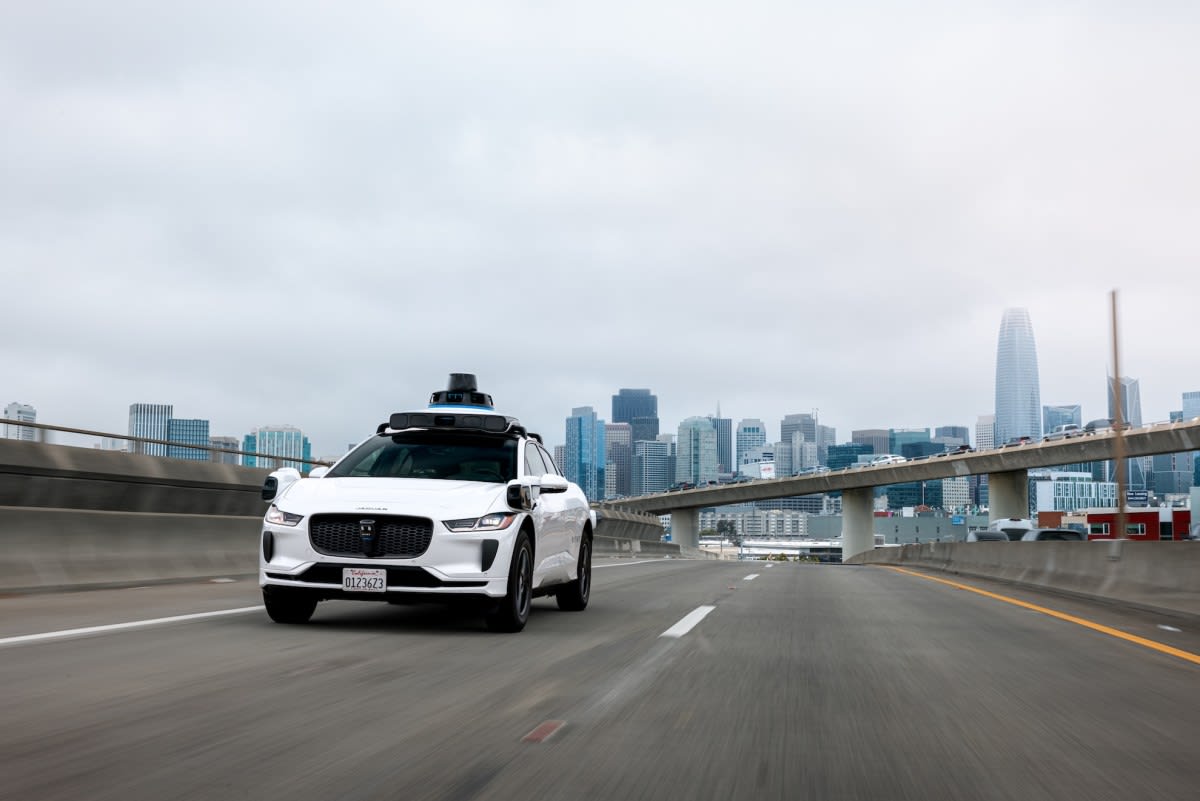
Waymo is resuming driverless freeway operations in Phoenix and other major markets following critical software updates. These enhancements specifically address navigation challenges previously identified near highway construction zones.
Waymo Resumes Freeway Operations: A Milestone for Autonomous Transit
Waymo, the autonomous driving subsidiary of Alphabet Inc., has officially announced that its robotaxis are returning to freeway routes. This move marks a significant recovery for the company, which had proactively suspended high-speed freeway operations over two months ago due to concerns regarding vehicle behavior in proximity to highway construction zones. The phased rollout is beginning in Phoenix, Arizona, Waymo’s inaugural market for driverless ride-hailing, with intentions to expand back into the San Francisco Bay Area and Los Angeles shortly.
Addressing the Construction Zone Challenge
The previous suspension of freeway services was a cautionary measure taken by Waymo to ensure passenger safety and operational reliability. Autonomous vehicles often struggle with the unpredictable nature of road construction—such as shifting lanes, temporary signage, and human workers in high-speed environments. By pausing operations, Waymo was able to gather the necessary data to refine its navigation stack. The company has now deployed specific software updates designed to better interpret these complex, ever-changing road conditions, allowing for safer transitions and decision-making when encountering highway maintenance.
The Path to Full Autonomous Scalability
For autonomous vehicle developers, freeway driving represents a critical hurdle. Unlike city streets, where speeds are lower and intersections are frequent, freeways require high-speed sensor fusion and long-range predictive modeling. Returning to these routes is essential for Waymo to offer a truly competitive ride-hailing service that rivals human-driven alternatives in both speed and efficiency. The ability to navigate freeways effectively allows Waymo to expand its service radius significantly, moving beyond simple urban grids and into broader metropolitan connectivity.
Strategic Expansion and Market Confidence
The fact that Waymo is restarting these operations across its entire service area indicates a high level of internal confidence in its latest software iteration. By starting in Phoenix—a city that has served as a testing ground for Waymo’s driverless technology for years—the company is leveraging its most mature data set. The planned rollout to Los Angeles and the San Francisco Bay Area underscores the company's commitment to scaling its presence in some of the most complex traffic environments in the United States.
Future Trends in Autonomous Safety
Looking forward, the success of these software updates could set a new industry benchmark for how autonomous systems handle road unpredictability. As Waymo continues to refine its performance, the focus will likely shift from basic navigation to optimizing for passenger comfort at higher speeds. The industry will be closely watching these markets to see if the software updates remain stable under varying traffic volumes and diverse construction environments, which will ultimately dictate the speed of future autonomous fleet deployments across the country.
Conclusion
In summary, Waymo’s return to the freeway is a testament to the iterative nature of autonomous vehicle development. By identifying a specific operational weakness, suspending service to rectify it, and implementing targeted software improvements, Waymo is demonstrating a mature approach to safety-first innovation. As these vehicles begin to navigate high-speed roads once again in Phoenix and beyond, the milestone serves as a critical step toward the goal of ubiquitous, driverless public transportation.