Waymo says San Francisco service has resumed after one-hour pause
Source Entity
Anthony Ha
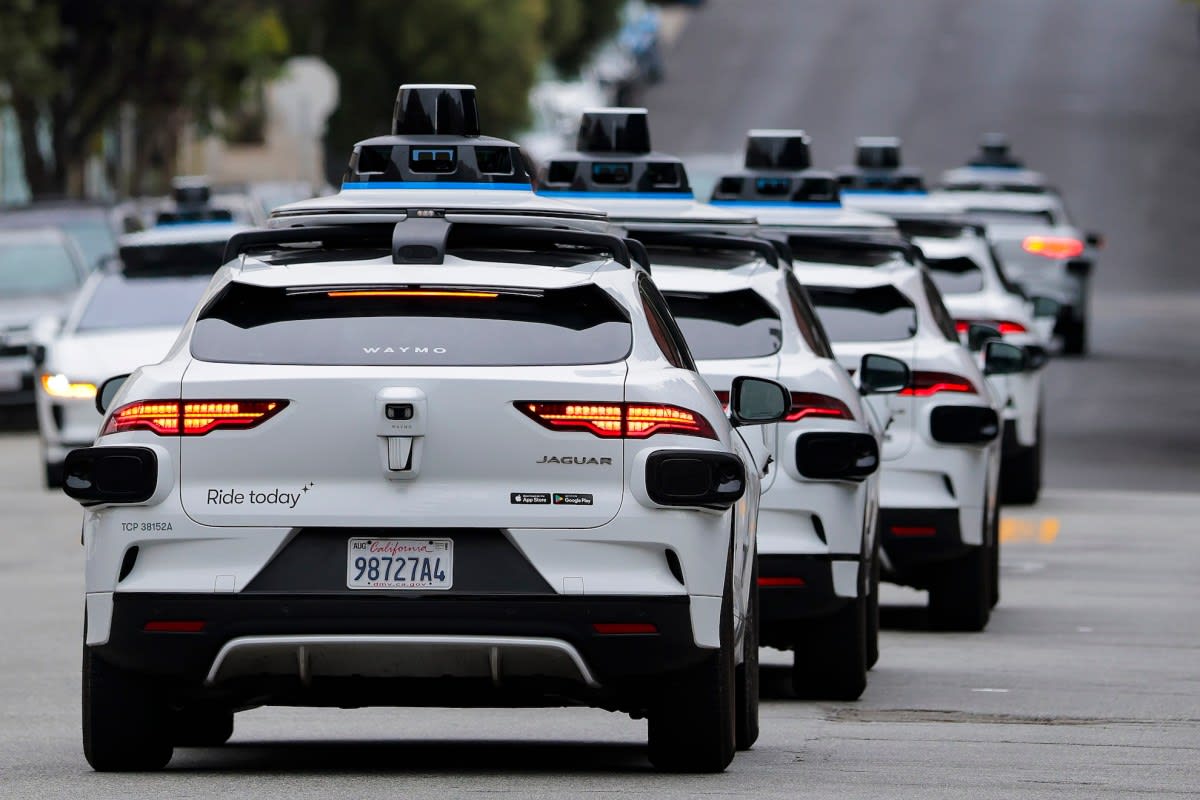
Waymo temporarily paused its robotaxi service in San Francisco for approximately one hour following a PG&E power outage. The disruption affected roughly 7,000 customers and led to the temporary unavailability of freeway routes.
Urban Infrastructure and Autonomous Transit: Analyzing Waymo's Service Interruption
In a recent operational hiccup, Waymo, the autonomous vehicle subsidiary of Alphabet, was forced to temporarily suspend its robotaxi services in San Francisco. The disruption, which lasted approximately one hour, was triggered by a power outage involving Pacific Gas and Electric (PG&E) that impacted roughly 7,000 customers across the city. While the pause was brief, the incident highlights the intricate and sometimes fragile dependency between cutting-edge autonomous driving technology and the aging municipal infrastructure of a major metropolitan area.
The Intersection of Power Grids and AV Logistics
The specific nature of the outage reveals critical insights into how Waymo operates within the urban fabric. Reports indicate that during the pause, "freeway routes were unavailable," suggesting that the power outage may have affected critical communication nodes, traffic management systems, or the cloud-based routing infrastructure that Waymo relies on for high-speed transit. Unlike human drivers, who can navigate through power outages using visual cues and local knowledge, autonomous vehicles (AVs) operate on a complex layer of digital connectivity. When a significant portion of the city's power grid fails, the safety margins for AVs are tightened, leading the company to make "temporary adjustments" to ensure passenger safety.
Corporate Crisis Management and Communication
Waymo's response to the event was characterized by a cautious, corporate approach. By informing customers that service was "temporarily paused" and that they were monitoring "local conditions," the company sought to maintain trust while prioritizing risk mitigation. The spokesperson's acknowledgment that "riders depend on us" underscores the transition of robotaxis from experimental novelty to a functional utility for San Francisco residents. The decision to pause service entirely for an hour to assess the scale of the outage demonstrates a conservative safety posture, which is essential for a company operating under intense regulatory scrutiny in California.
Historical Context and Recurring Vulnerabilities
This incident is not an isolated event; the provided reports explicitly note that this is not the first time power outages have caused issues for Waymo. This recurring pattern suggests a systemic vulnerability in the integration of AV fleets with local utility providers. In a city like San Francisco, where PG&E has a history of grid instability, the reliance on a centralized power source for the supporting digital infrastructure of a transport network creates a single point of failure. The repeated nature of these disruptions indicates that the challenge for Waymo is not just the AI driving the car, but the stability of the environment in which the car operates.
Broader Implications for the Autonomous Industry
The Waymo outage serves as a case study for the broader autonomous vehicle industry. As companies like Tesla, Cruise, and Waymo strive for Level 4 and Level 5 autonomy, the industry must confront the reality that the "edge cases" are not just regarding road debris or erratic pedestrians, but also the failure of the city's basic utilities. If a local power outage can render freeway routes unavailable for a fleet, the scalability of these services depends heavily on the modernization of the smart city infrastructure. This event underscores the need for greater redundancy in communication networks and perhaps a more decentralized approach to routing and safety monitoring.
Future Trends and Infrastructure Requirements
Looking forward, it is likely that Waymo and similar firms will invest more heavily in redundant systems to prevent a one-hour outage from paralyzing their fleet. We can expect a shift toward more robust fail-safes, such as satellite-based communication backups or localized edge computing that allows vehicles to operate independently of the main grid for longer periods. Furthermore, this incident may prompt closer collaborations between tech giants and utility companies like PG&E to prioritize the stability of power grids in zones heavily utilized by autonomous transit fleets.
Conclusion
While a one-hour pause may seem negligible in the grand scheme of a city's transit, the Waymo incident exposes the critical link between high-tech mobility and basic electrical infrastructure. The event confirms that the path to full autonomy is not merely a software challenge but an infrastructure challenge. For Waymo to truly integrate into the daily life of San Francisco, it must develop a level of resilience that can withstand the unpredictability of the city's power grid.