Weight-loss jab boom brings needles warning for recyclers
Source Entity
BBC News
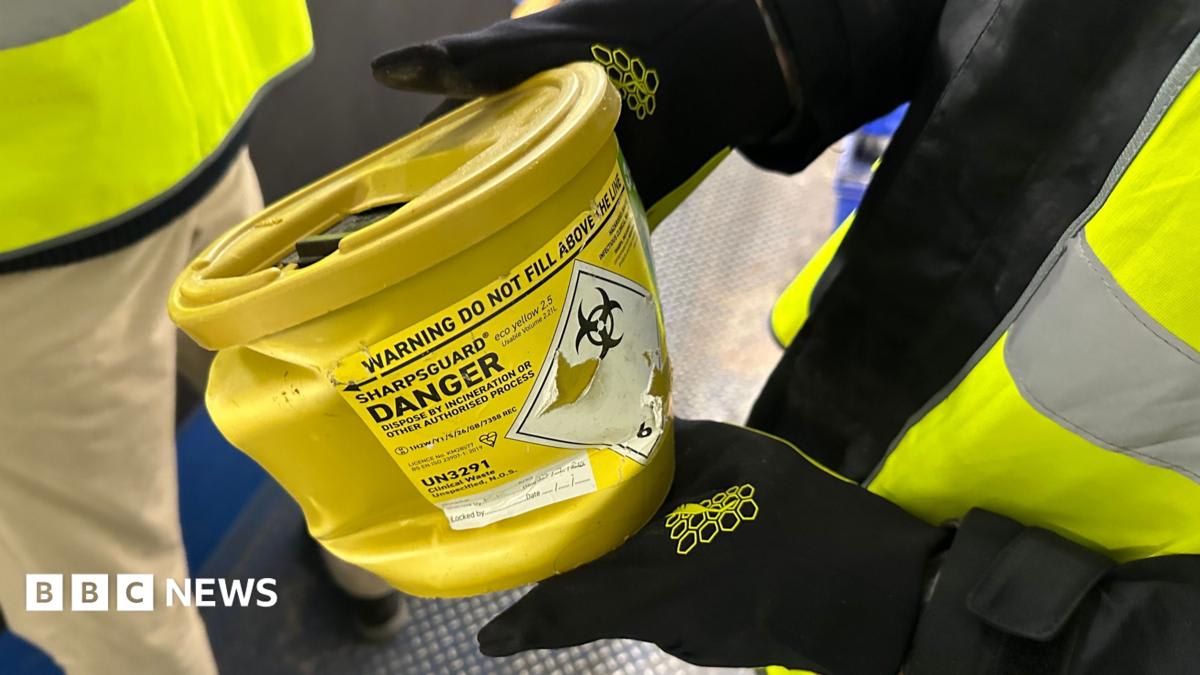
The popularity of injectable weight-loss drugs like Wegovy and Mounjaro has led to a surge in improperly discarded needles at recycling centers. This poses significant health and safety risks to waste management workers who encounter exposed sharps in household bins.
The Hidden Danger of the Weight-Loss Drug Boom
The rapid rise of GLP-1 receptor agonists, specifically injectable medications like Wegovy and Mounjaro, has revolutionized the treatment of obesity and type 2 diabetes. However, this pharmaceutical success story has unveiled an unintended and hazardous consequence within the waste management sector. Recycling facilities are reporting a concerning increase in used medical sharps appearing in household recycling streams, a trend directly correlated with the growing number of patients self-administering these weekly injections at home.
The Mechanics of the Hazard
At the heart of this issue is the improper disposal of clinical waste. As demonstrated at a recycling plant in Coventry, the process of collecting and compacting household waste exacerbates the danger. When a resident places a sharps container or loose needles into a standard wheelie bin, the compaction mechanism of the collection vehicle often crushes the container. This mechanical action releases the needles, which then spill onto conveyor belts where human sorters are working. The result is a high-risk environment where staff are exposed to potential needle-stick injuries and the threat of blood-borne infections.
Operational Risks and Safety Failures
Recycling centers are designed to handle paper, plastics, and metals, not biohazardous clinical waste. The presence of sharps forces a breakdown in standard operating procedures. When a supervisor like Paul Pagett identifies a crushed sharps container on a fast-moving line, it highlights a systemic failure in public awareness regarding clinical waste disposal. These facilities are not equipped with the personal protective equipment or the medical protocols necessary to manage sharps, making every encounter a potential workplace safety crisis.
The Necessity of Clinical Waste Protocols
The core of the problem lies in the confusion regarding disposal methods. Medical professionals and pharmacists who prescribe injectable weight-loss treatments must ensure that patients understand that sharps boxes are not household rubbish. Dedicated clinical waste services exist specifically to prevent these items from entering the public waste stream. The current surge in usage necessitates a more robust educational campaign to ensure that 'sharps' are handled as hazardous medical waste rather than general recycling.
Future Trends and Mitigation Strategies
As the popularity of injectable weight-loss drugs continues to climb, the waste management industry faces an urgent need for adaptation. Without a concerted effort to mandate proper disposal kits at the point of sale and improve public information campaigns, recycling centers will continue to face increased liability and injury risks. Future trends likely point toward stricter regulations on how these drugs are distributed, potentially requiring pharmacies to take back used sharps containers to ensure they are processed through safe, clinical channels rather than municipal recycling systems.