A cautious push for industrialisation in West Bengal
Source Entity
India Latest News: Top National Headlines Today & Breaking News | The Hindu
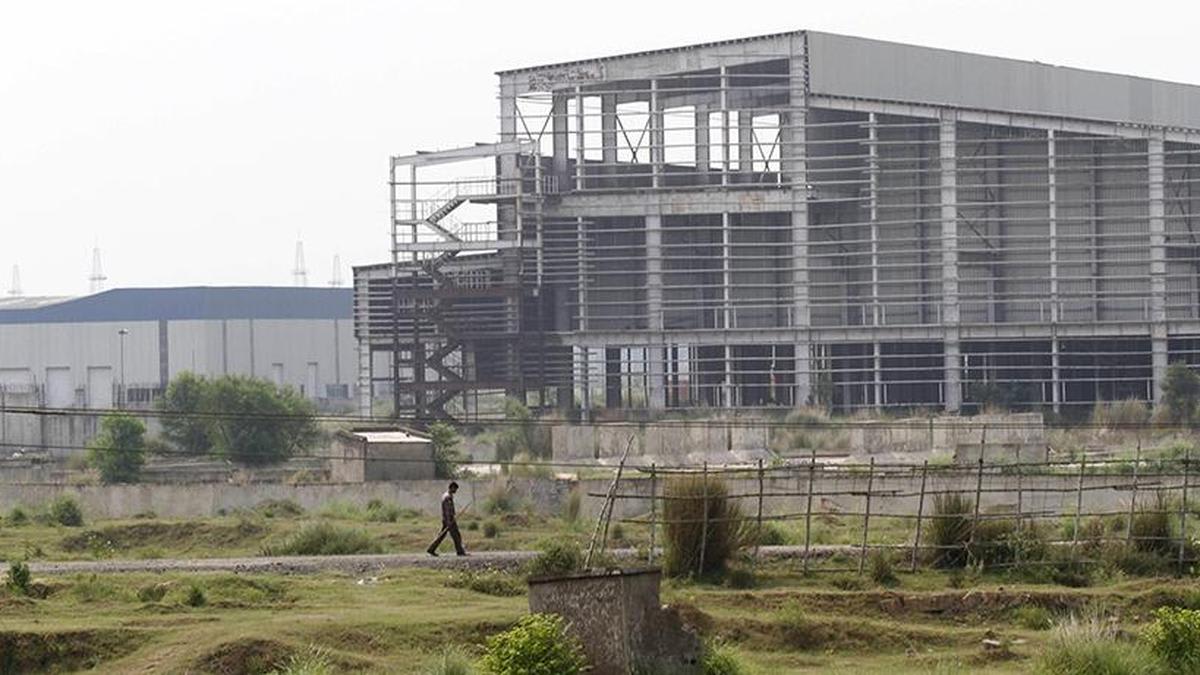
As land acquisition in Bengal remains tricky, CM says government will purchase land for industry
Navigating the Complexities of Industrial Growth in West Bengal
Introduction: A Strategic Shift in Procurement
The West Bengal government has announced a pivotal shift in its approach to industrialization, with the Chief Minister stating that the state government will now take the lead in purchasing land for industrial projects. This move is a direct response to the "tricky" nature of land acquisition in the region, which has long served as a bottleneck for economic expansion. By positioning the state as the primary purchaser, the government aims to provide a seamless transition for investors while minimizing the friction typically associated with private land procurement.
The Shadow of Historical Conflict
To understand why land acquisition is described as "tricky," one must look at the historical context of West Bengal. The state has a deeply rooted history of agrarian activism and land-rights movements. The traumatic memories of the Singur and Nandigram crises—where attempts to acquire fertile farmland for industrial plants led to violent clashes and significant political upheaval—still loom large. These events created a lasting legacy of distrust between the rural populace and industrial developers, making any attempt at land acquisition a high-stakes political gamble.
Mitigating Risk Through State Intervention
By announcing that the government will purchase the land, the administration is effectively acting as a buffer between the corporate entity and the landowner. This strategy is designed to reduce the perceived aggression of industrial expansion. When the state handles the acquisition, it can ensure that compensation packages are standardized and delivered through official channels, thereby reducing the likelihood of grassroots resistance. This "cautious push" reflects a sophisticated understanding of the local socio-political landscape, acknowledging that industrialization cannot be forced but must be facilitated through trust.
Economic Implications and FDI Potential
From an economic perspective, this policy change is aimed at improving the state's ease of doing business. Many global and domestic investors have historically avoided West Bengal due to the unpredictability of land availability. If the government can successfully create a "land bank" or guarantee the delivery of cleared land, it could trigger a surge in Foreign Direct Investment (FDI). This would not only diversify the state's economy beyond agriculture and services but also create critical employment opportunities for the youth, potentially stemming the tide of labor migration to other industrial hubs in India.
The Political Balancing Act
Despite the economic benefits, the government faces a delicate balancing act. The Chief Minister must ensure that the process of government-led purchase does not mirror the coercive tactics of the past. There is a constant tension between the need for industrial land and the necessity of protecting the livelihoods of marginal farmers. The success of this initiative depends entirely on the transparency of the acquisition process and the fairness of the compensation provided to the original landholders, ensuring that development does not come at the cost of social stability.
Future Outlook: Toward a Sustainable Industrial Model
Looking ahead, this cautious approach may lead to the development of dedicated industrial corridors and specialized economic zones where the government manages all infrastructure and land assets. If this model proves successful, it could serve as a blueprint for other states in India struggling with land disputes. We can expect a gradual increase in manufacturing units and logistics hubs, provided the government maintains its commitment to a non-coercive, purchase-based model of acquisition.
Conclusion
West Bengal's decision to lead land procurement is a pragmatic response to a complex historical legacy. By absorbing the risk of land acquisition, the state government is attempting to bridge the gap between its agrarian roots and its industrial aspirations. While the path remains cautious, the shift toward a government-facilitated land model represents a strategic effort to revitalize the state's economy while maintaining social harmony.
Verification Required?