‘Want to create entrepreneurs, working on new startup policy’: Bengal Minister at Indian Express event on MSMEs
Source Entity
Tanusree Bose
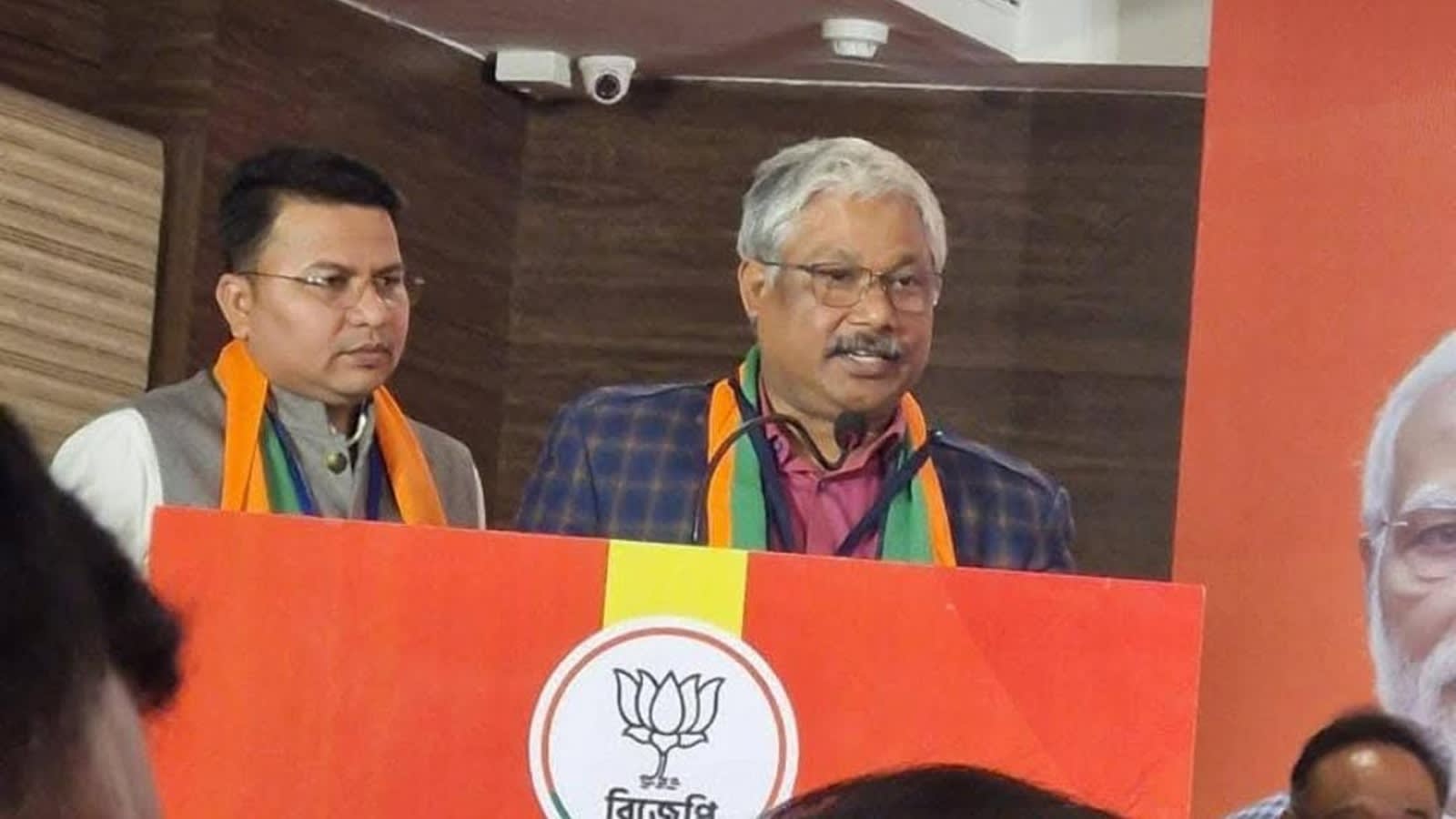
West Bengal Minister Dipak Barman announced that the state is developing a new startup policy to bolster its MSME sector. The initiative aims to enhance ease of doing business and leverage the state's traditional strengths in handicrafts and manufacturing.
Strengthening West Bengal's Economic Backbone: A New Vision for MSMEs
West Bengal is positioning itself for a significant economic transformation as the state government initiates work on a comprehensive new startup policy. During a recent 'Indian Express Roundtable Conference' focused on the growth agenda for the state’s Micro, Small and Medium Enterprises (MSMEs), Minister Dipak Barman underscored the critical importance of this sector. By prioritizing a modern policy framework, the state aims to formalize and accelerate the growth of smaller enterprises that serve as the fundamental pillars of the regional economy.
The Strategic Focus on Ease of Doing Business
Central to the Minister’s announcement is the commitment to enhancing the 'ease of doing business' within West Bengal. For decades, the MSME sector has faced operational hurdles ranging from regulatory complexities to logistical bottlenecks. By streamlining these processes, the government intends to foster an environment where startups can thrive rather than struggle with bureaucratic overhead. This shift is essential for attracting both local talent and external investment, ensuring that the state remains competitive in an increasingly globalized market.
Leveraging a Rich Industrial Legacy
Minister Barman highlighted that West Bengal does not lack in potential, noting the state's 'proud legacy of entrepreneurship.' From the intricate craftsmanship of handloom and textiles to robust sectors like food processing, leather, and jewelry, the state possesses a diverse industrial base. The new policy is designed to bridge the gap between these traditional artisanal strengths and the modern requirements of the digital economy, effectively modernizing long-standing industries to meet contemporary demand.
Empowering the Next Generation of Entrepreneurs
The stated goal of the ministry is to create a new wave of entrepreneurs who can scale these traditional sectors. By providing the necessary policy support, the government hopes to transition small-scale family businesses into scalable startups. This focus on entrepreneurship is a strategic move to address unemployment and create sustainable job opportunities within the state, shifting the focus from labor-intensive traditional models to innovation-led growth.
Future Implications and Economic Outlook
Looking ahead, the success of this policy will depend heavily on its implementation and the government's ability to provide tangible support to MSMEs. If the state successfully reduces friction for business owners, it could lead to a revitalization of West Bengal’s manufacturing sector. As the policy takes shape, it will likely serve as a litmus test for the state’s ability to modernize its industrial landscape, potentially setting a precedent for how other Indian states integrate tradition with modern startup ecosystems.
Conclusion
In conclusion, the government's focus on a new startup policy for MSMEs represents a pivotal step in West Bengal’s economic trajectory. By acknowledging the sector as the backbone of the state and actively working to improve the business climate, Minister Dipak Barman has signaled a clear intent to foster industrial growth. As the policy develops, it will be essential for stakeholders to monitor how these reforms translate into real-world benefits for the artisans, manufacturers, and innovators who drive the state's economy forward.