West Bengal forms panel to overhaul school curriculum, reduce rote learning
Source Entity
Tanusree Bose
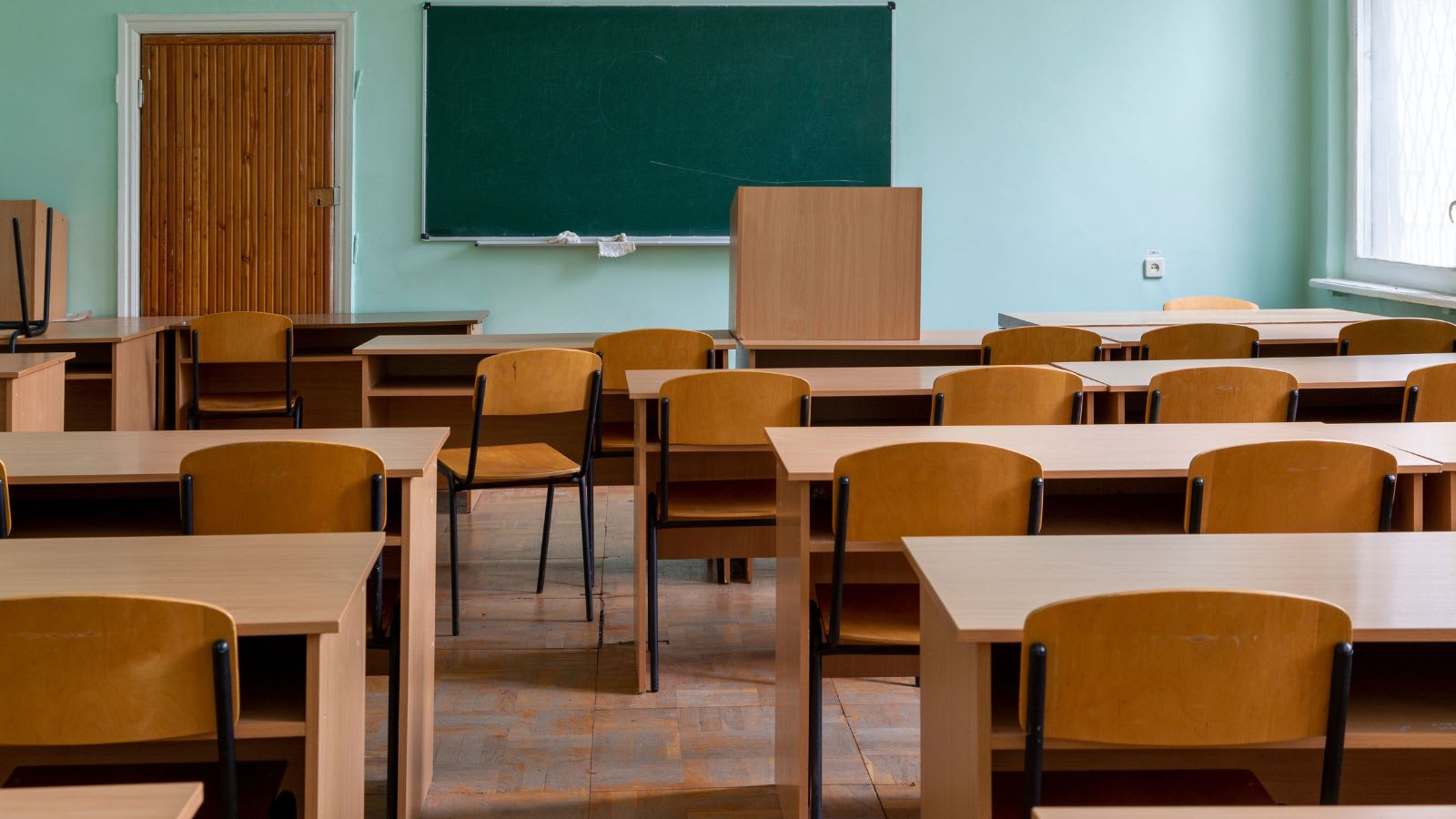
The West Bengal government has formed a new committee to overhaul the school curriculum for Classes 1-12. This initiative aims to align state education standards with the National Education Policy (NEP) 2020 and reduce reliance on rote learning.
West Bengal Initiates Comprehensive Educational Reform
The West Bengal government has officially initiated a significant transformation of its school education system by establishing a dedicated syllabus-cum-curriculum committee. This body is tasked with the comprehensive review and revision of the curriculum, syllabus, and textbooks for students from Class 1 through Class 12. By focusing on these critical foundational and developmental years, the state aims to modernize its pedagogical approach to better serve the needs of contemporary students.
Alignment with National Standards
The primary driver behind this structural change is the necessity to align West Bengal’s educational framework with the National Education Policy (NEP) 2020. By adopting the principles outlined in the NEP and the latest National Curriculum Frameworks (NCF), the state is moving toward a more standardized national educational identity. This includes strict adherence to the NCF for Foundational Stage (NCF-FS 2022) and the NCF for School Education (NCF-SE), ensuring that local curriculum standards are synchronized with national expectations.
Moving Beyond Rote Learning
A cornerstone of this reform is the explicit goal to minimize the traditional reliance on rote learning. For decades, the pedagogical model in many Indian states has prioritized memorization over conceptual understanding. The committee’s mandate suggests a shift toward competency-based learning, which encourages critical thinking, analytical skills, and practical application of knowledge. This transition is vital for preparing students for a globalized workforce that values innovation over information retention.
Implications for Foundational and Higher Secondary Levels
The committee has been empowered to examine the entire spectrum of school education, including primary, secondary, and higher secondary courses. By addressing the 'Foundational Stage' specifically, the state is acknowledging that early childhood education is the bedrock of future academic success. The systematic review of textbooks across these diverse levels indicates a holistic approach to ensuring that content is not only updated but also pedagogically sound and relevant to current societal and technological advancements.
Future Outlook for State Education
Looking ahead, the successful implementation of these reforms will depend on the committee's ability to balance national directives with the specific cultural and linguistic requirements of West Bengal. If executed effectively, this overhaul could bridge the gap between state-run educational outcomes and those of national boards. Ultimately, this move represents a proactive step toward creating a more robust, flexible, and student-centric educational landscape that prepares the youth of West Bengal for the challenges of the 21st century.