More time for Western Ghats panel as eco-sensitive area deadlock continues
Source Entity
Nikhil Ghanekar
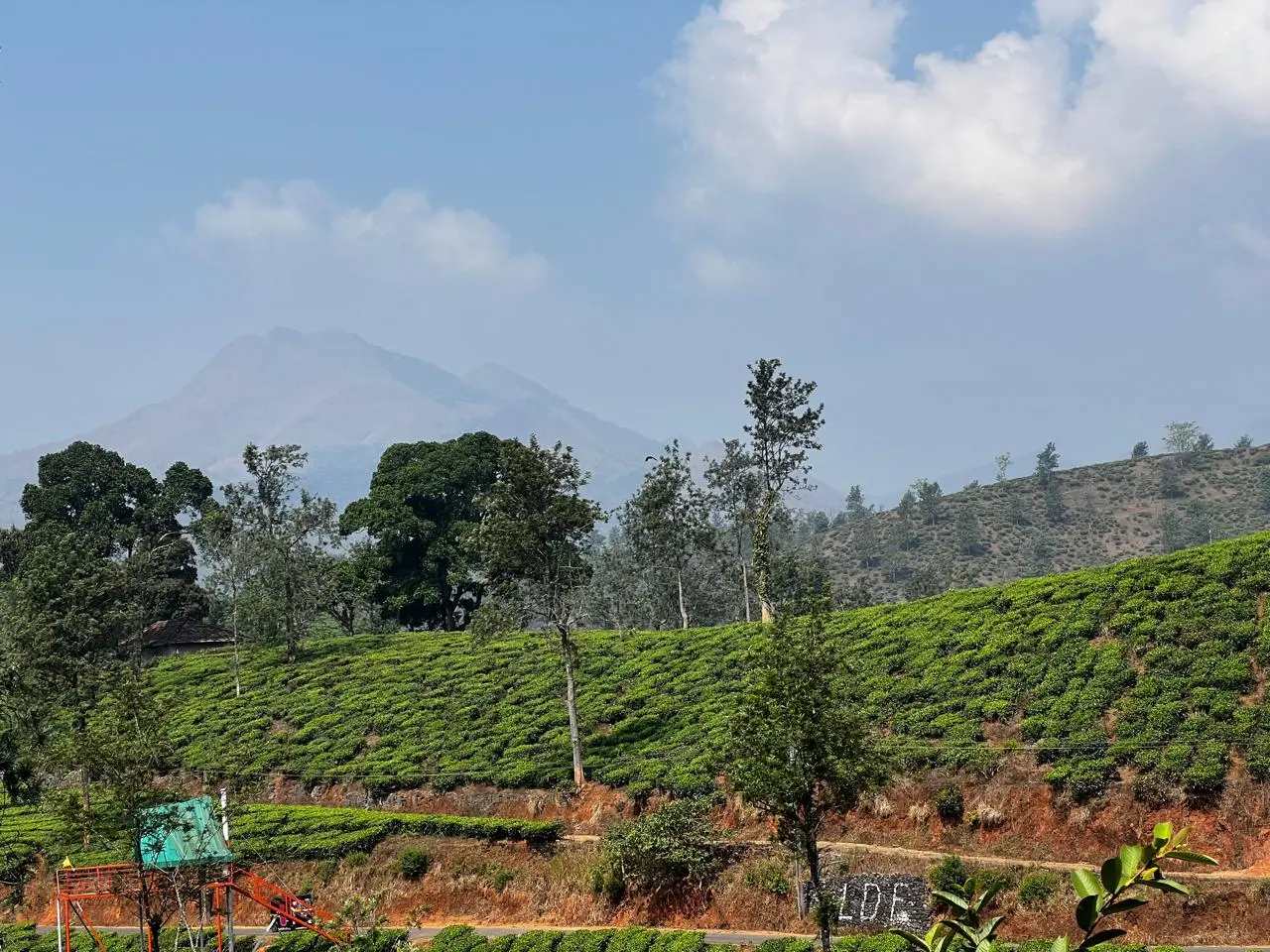
The Union environment ministry has granted a one-year extension to an expert committee tasked with resolving disputes over ecologically sensitive area (ESA) demarcations in the Western Ghats. This decision follows the lapse of a July 2024 draft notification aimed at protecting over 56,000 sq km of the region.
The Western Ghats ESA Impasse: An Overview
The Union environment ministry’s recent decision to grant a one-year extension to its expert committee underscores the persistent complexity surrounding the protection of the Western Ghats. Established in 2022, this committee is tasked with navigating the intricate socio-political and environmental demands of six states—Gujarat, Maharashtra, Goa, Karnataka, Tamil Nadu, and Kerala—which have historically expressed concerns over the demarcation of ecologically sensitive areas (ESAs).
The Failure of the Sixth Draft
The urgency of this extension stems from the expiration of the July 31, 2024, draft notification, which was officially published on August 2. This document marked the sixth iteration of the government’s attempt to finalize boundaries for the region. By proposing to declare 56,825.7 sq km as an ESA, the government sought to balance conservation needs with the economic realities of the local populations. However, the lapse of this notification highlights that a consensus remains elusive, necessitating further expert intervention.
Regional Resistance and Economic Concerns
At the heart of the deadlock is the friction between environmental preservation and local development. States within the Western Ghats region often argue that stringent ESA regulations could hinder infrastructure projects, agriculture, and mining activities that are vital to their local economies. The committee must reconcile these state-level anxieties with the national objective of protecting the unique biodiversity of the Western Ghats, a UNESCO World Heritage site known for its immense ecological value.
The Long Road to Conservation
This ongoing struggle is not new; it is part of a decade-long process that began with the Madhav Gadgil and K. Kasturirangan committees. The fact that the government is on its sixth draft notification illustrates the difficulty of implementing top-down environmental policy in a federal structure. Each iteration has faced pushback, forcing the Union ministry to perpetually revisit the boundaries and the extent of restricted activities within these zones.
Future Implications and Policy Trends
The one-year extension signals that the Centre is unwilling to force a unilateral decision that could trigger political backlash in the affected states. Instead, it is opting for a consultative approach, hoping to build a broader consensus that can withstand legal and social scrutiny. Moving forward, the effectiveness of this committee will depend on its ability to provide clear, scientific justifications for the proposed demarcations while addressing the livelihoods of the communities residing within the Ghats.
Conclusion: Balancing Ecology and Governance
The future of the Western Ghats remains in a state of suspended animation as the committee resumes its work. The ultimate success of this initiative will be measured by whether it can produce a seventh draft that satisfies both the urgent need for environmental restoration and the developmental aspirations of the states involved. Until then, the region remains subject to a delicate regulatory limbo, awaiting a definitive framework that ensures long-term ecological stability.