Whale Rock Just Dumped Most of Its Nvidia Stake
Source Entity
Yahoo Finance
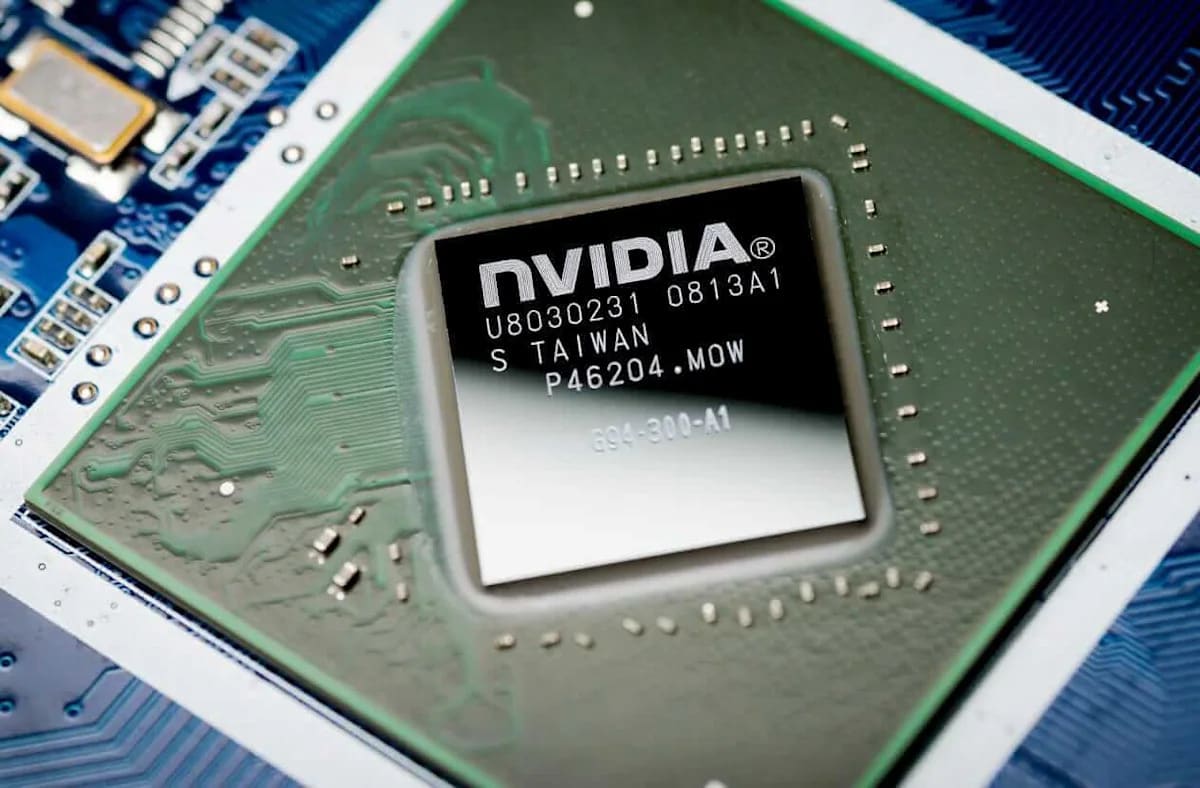
Whale Rock Capital Management significantly reduced its Nvidia holdings by 64% in the second quarter while simultaneously increasing its stake in AMD. This strategic shift suggests a portfolio rebalancing within the AI semiconductor sector rather than a complete exit from the industry.
Strategic Portfolio Realignment at Whale Rock Capital
Whale Rock Capital Management, a prominent hedge fund known for its focused investment strategies, has made a significant adjustment to its exposure within the high-growth semiconductor sector. According to the firm's latest 13F filing, the second quarter saw a dramatic reduction in its position in Nvidia (NVDA), the primary beneficiary of the global artificial intelligence infrastructure boom. By slashing its holdings from approximately 1.04 million shares down to 377,204, the firm has effectively offloaded roughly 64% of its Nvidia position.
Analyzing the Nvidia Divestment
Nvidia has been the undisputed leader in the AI hardware space, with its GPUs powering the vast majority of large language models and cloud data centers. However, for a fund like Whale Rock, a 64% reduction is a major tactical move that warrants close examination. This decision may reflect a 'taking profit' strategy, where the fund aims to lock in gains after a period of astronomical growth in Nvidia's stock price. Such moves are common among institutional investors seeking to manage risk and rebalance portfolios after a concentrated asset has significantly outperformed the broader market.
The Pivot to Advanced Micro Devices (AMD)
Crucially, Whale Rock did not abandon the semiconductor or AI narrative entirely. In a striking counter-balance, the firm increased its stake in Advanced Micro Devices (AMD) from a modest 69,211 shares to approximately 1.51 million shares. This transition signals that while the firm may have concerns regarding Nvidia's valuation or future growth velocity, it remains firmly bullish on the long-term prospects of AI hardware and the necessity of high-performance computing in the digital economy.
Broader Implications for AI Infrastructure
This shift highlights a growing trend among institutional investors to diversify their AI exposure. As the market matures, investors are increasingly looking at secondary players like AMD to capture potential market share growth. AMD has been working aggressively to compete with Nvidia’s dominance through its MI300 series of accelerators. By reallocating capital, Whale Rock is betting that the competitive landscape may evolve, potentially allowing AMD to gain traction as data center operators seek alternatives or complementary hardware to Nvidia's ecosystem.
Historical Context and Market Dynamics
Historically, hedge funds frequently rotate their holdings to optimize for tax efficiency, risk-adjusted returns, and changing market sentiment. The semiconductor industry is notoriously cyclical, and the current AI-driven supercycle is unique in its intensity. Whale Rock's decision to shift capital between these two giants underscores the reality that even the most optimistic investors are constantly evaluating whether the 'AI bubble' or 'AI boom' requires a more nuanced approach to asset allocation.
Conclusion: A Calculated Rebalancing
In summary, Whale Rock’s decision to reduce its Nvidia stake by 64% while drastically increasing its AMD position is a clear signal of strategic rebalancing rather than a bearish outlook on artificial intelligence. By moving capital from the sector's current leader to its primary challenger, the firm is likely positioning itself for the next phase of the AI hardware race. As the market continues to monitor these filings, this trade serves as a reminder of the importance of portfolio diversification even within highly concentrated, high-growth sectors.