When saying sorry becomes a habit: Expert shares 4 reasons behind over-apologising
Source Entity
Latest News: Todays Latest News Headlines from India & World | Hindustan Times | Hindustan Times
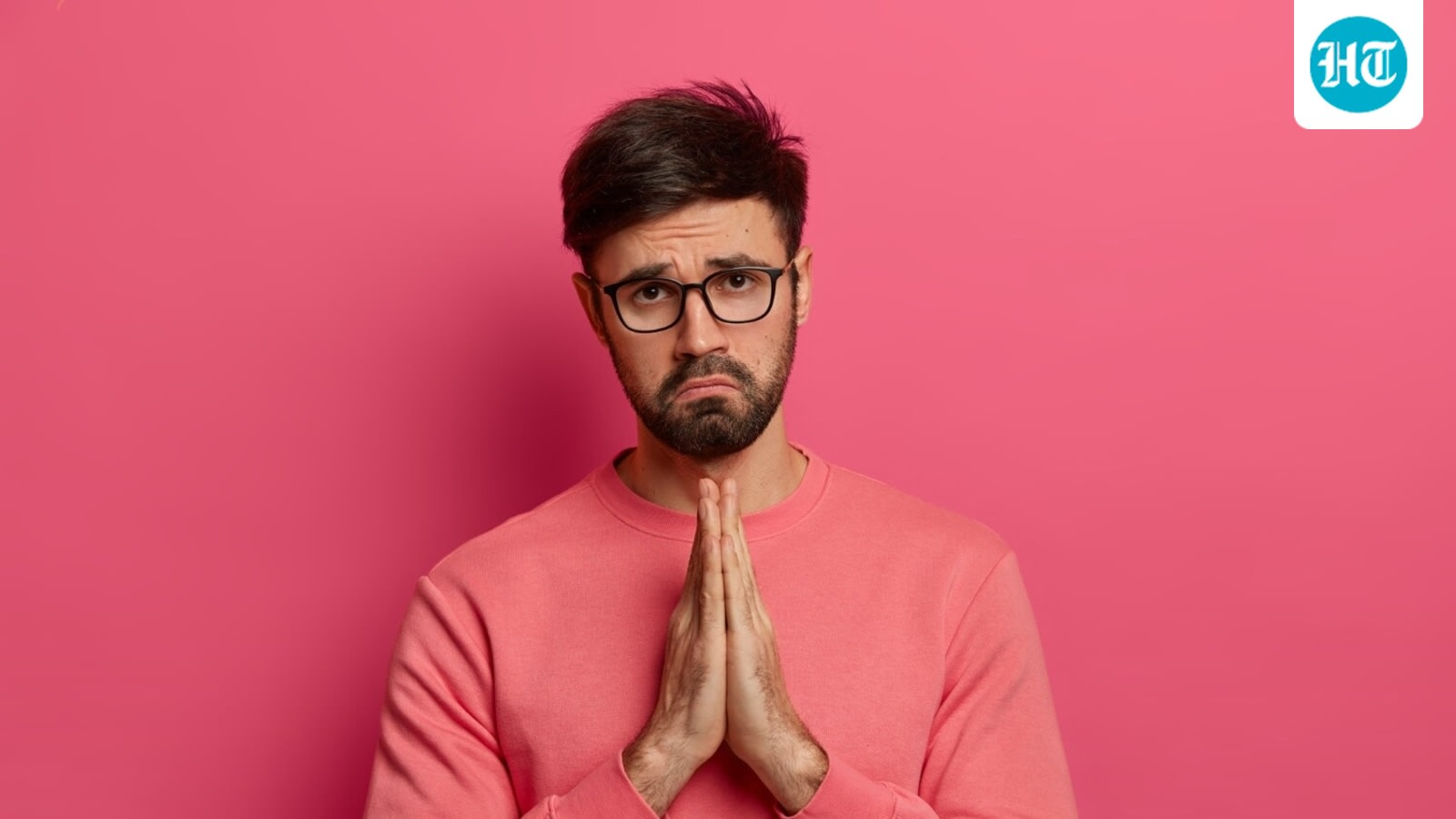
Over-apologizing is often a deep-seated behavioral pattern rather than mere politeness. Expert insights suggest this habit stems from psychological mechanisms rooted in early life experiences.
The Psychology of the Habitual Apology
Many individuals find themselves reflexively apologizing for minor inconveniences, often feeling a compulsion to say 'sorry' even when they are not at fault. While often perceived as a display of good manners or extreme politeness, experts suggest this behavior frequently masks deeper psychological patterns. As noted by Dr. Chandni Tugnait, a psychotherapist and founder of Gateway of Healing, the inclination to over-apologize is rarely just about social etiquette; it is an instinctual response that warrants closer examination.
Moving Beyond Manners
It is a common misconception that excessive apologizing is a sign of high empathy or social grace. In reality, the behavior often functions as a defense mechanism. When an individual feels the need to constantly seek absolution for their presence or minor actions, it suggests that they are operating from a place of perceived inadequacy or a fear of negative judgment. This behavior is not abnormal or rare, but rather a widespread psychological phenomenon that many people navigate in their daily interactions.
Roots in Early Development
Dr. Tugnait emphasizes that these patterns are frequently formed earlier in life. The conditioning that leads to over-apologizing can stem from childhood environments where individuals were perhaps overly criticized or held responsible for the emotional states of others. By apologizing, a person may be attempting to preemptively soothe a situation or avoid conflict, effectively trying to manage the environment around them to ensure their own safety or social acceptance.
The Internal Mechanism of 'Sorry'
At its core, the habit of over-apologizing is an internal mechanism that seeks to reduce anxiety. When someone apologizes for taking up space or for minor inconveniences, they are often signaling an internal belief that their needs or actions are inherently burdensome to others. This cycle can be exhausting, as it reinforces a self-image that is constantly in the wrong, thereby perpetuating a loop of low self-esteem and social anxiety.
Implications and Professional Support
Recognizing that this behavior is a learned pattern rather than a fixed personality trait is the first step toward change. Professionals like therapists can help individuals untangle these ingrained responses. By understanding the 'why' behind the apology, individuals can begin to replace the reflex with more assertive and authentic communication. Seeking therapy can provide the necessary tools to distinguish between genuine responsibility—where an apology is warranted—and the reflexive habit that undermines personal confidence.
Conclusion: Reclaiming Personal Agency
Ultimately, breaking the habit of over-apologizing is about reclaiming one's sense of self and agency in social interactions. By shifting the focus from 'being nice' to 'being authentic,' individuals can foster healthier relationships and reduce the mental load caused by chronic self-reproach. Addressing this behavior is not merely about changing how one speaks, but about healing the underlying psychological mechanisms that make us feel as though we must apologize for simply existing.
Verification Required?