Test cricketer, forced to retire at 27 due to concussions, sues school; here's why
Source Entity
TOI SPORTS DESK
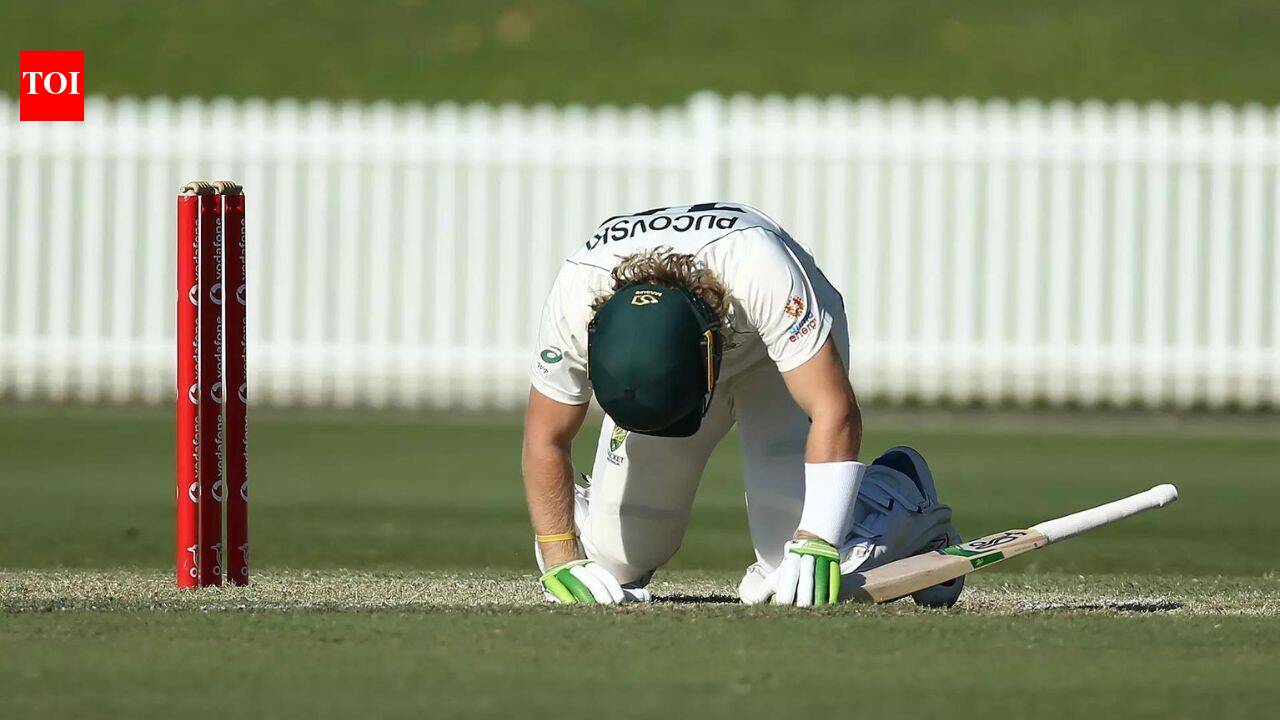
Former Australian cricketer Will Pucovski has initiated legal action against his former school following his forced retirement at 27. The decision stems from the long-term impact of 13 documented concussions sustained throughout his career.
The Tragic End of a Promising Career
The premature retirement of Australian cricketer Will Pucovski at the age of 27 marks a somber turning point in the conversation surrounding head trauma in professional sports. After sustaining 13 documented concussions, Pucovski was forced to step away from the game he excelled in, effectively ending a trajectory that many cricket experts believed would lead to a long and illustrious international career. This legal action against his former school represents a significant escalation in how institutional accountability is being viewed regarding player safety during formative years.
The Anatomy of the Injury
Central to the narrative of Pucovski’s struggle is the physical vulnerability inherent in high-level cricket. A poignant example of this risk occurred on December 8, 2020, during an Australia A versus India A match at Drummoyne Oval. Pucovski was struck in the helmet by a delivery from Indian bowler Kartik Tyagi. Such incidents, while common in the sport, serve as vivid reminders of the kinetic energy involved in professional cricket and the cumulative toll that repeated impacts can take on an athlete's neurological health.
Accountability and Institutional Responsibility
By suing his school, Pucovski is challenging the duty of care institutions owe to student-athletes. This legal battle raises critical questions about whether the protocols for managing head injuries in secondary education are sufficient to protect children from lifelong consequences. If the litigation succeeds, it could set a massive precedent, forcing schools and youth sporting organizations to overhaul their concussion management policies, potentially leading to more rigorous screening and safer training environments.
The Broader Implications for Cricket
This case transcends the individual experience of Will Pucovski and forces the global cricketing community to confront the 'concussion crisis.' Unlike contact sports like rugby or American football, cricket has only recently begun to implement strict concussion substitutes and mandatory baseline testing. The Pucovski case acts as a catalyst for a necessary cultural shift, where the pressure to play through pain or 'tough it out' is replaced by a medical-first approach that prioritizes long-term brain health over immediate match results.
Future Trends in Sports Medicine
Looking ahead, we can expect a shift toward advanced protective gear and stricter return-to-play mandates. The technology behind helmets is being scrutinized, and there is a growing demand for objective, data-driven diagnostic tools that can detect sub-concussive impacts which often go unnoticed. Pucovski’s career serves as a cautionary tale that the industry must heed, moving toward a future where professional longevity is not sacrificed at the altar of performance.
Conclusion
Will Pucovski’s decision to pursue legal action is a final, desperate attempt to seek justice for a life altered by sport. It highlights the complex intersection of institutional duty, athlete welfare, and the inherent risks of professional athletics. As the legal proceedings unfold, the sporting world will be watching closely, as the outcome may dictate how future generations of athletes are protected from the devastating effects of repetitive brain injuries.